🌸 Lifespan of Paphiopedilum 'Maudiae Femma'
Paphiopedilum 'Maudiae Femma'
By the Greg Editorial Team
Oct 02, 2024•5 min read
This article was created with the help of AI so we can cover more plants for you. May contain errors. See one? Report it here.
- 🌱 Germination takes 3-6 months; ideal conditions are 20-25°C and 60-80% humidity.
- 🌞 Indirect light is crucial; direct sunlight can harm Paphiopedilum seeds.
- 🌼 Flowering occurs 2-5 years post-germination, with blooms lasting 4-6 weeks.
Germination Stage
Duration of Germination 🌱
Germination for Paphiopedilum 'Maudiae Femma' typically takes 3-6 months. This timeframe can vary based on several factors, including temperature, humidity, and light conditions.
Conditions for Successful Germination 🌡️
To ensure successful germination, maintain an ideal temperature between 20-25°C (68-77°F).
- Humidity should be kept at 60-80% relative humidity.
- Provide indirect light; direct sunlight can be harmful.
- Use a sterile orchid mix or sphagnum moss as the growing medium.
By creating the right environment, you can significantly enhance the chances of your seeds sprouting. This stage is crucial, setting the foundation for a healthy plant.
As you nurture your seeds, remember that patience is key. The right conditions will lead to successful germination, paving the way for the next exciting stages of growth.
Seedling Stage
Length of Seedling Stage 🌱
The seedling stage of Paphiopedilum 'Maudiae Femma' lasts anywhere from 6 months to 2 years. This duration largely depends on the environmental conditions you provide.
Key Characteristics of Seedlings 🌿
During this stage, seedlings are small, typically measuring 2-4 inches in height. Their initial leaves are thin and elongated, showcasing the plant's early growth phase.
Root Development
A robust root system begins to form, which is essential for nutrient uptake. Strong roots will set the foundation for healthy growth as the plant matures.
Observing Growth 👀
As you nurture your seedlings, keep an eye on their development. Healthy seedlings will show signs of vigorous growth, indicating that you're on the right track.
Care Tips 💧
Ensure that your seedlings receive adequate moisture and indirect light. These factors are crucial for their successful transition to the next growth stage.
With the right conditions, your Paphiopedilum 'Maudiae Femma' seedlings will thrive, paving the way for the exciting vegetative growth stage ahead.
Vegetative Growth Stage
Duration of vegetative growth 🌱
The vegetative growth stage of Paphiopedilum 'Maudiae Femma' typically lasts between 1 to 3 years. This duration can vary significantly based on environmental factors such as light, temperature, and humidity.
Changes in plant structure and health 🌿
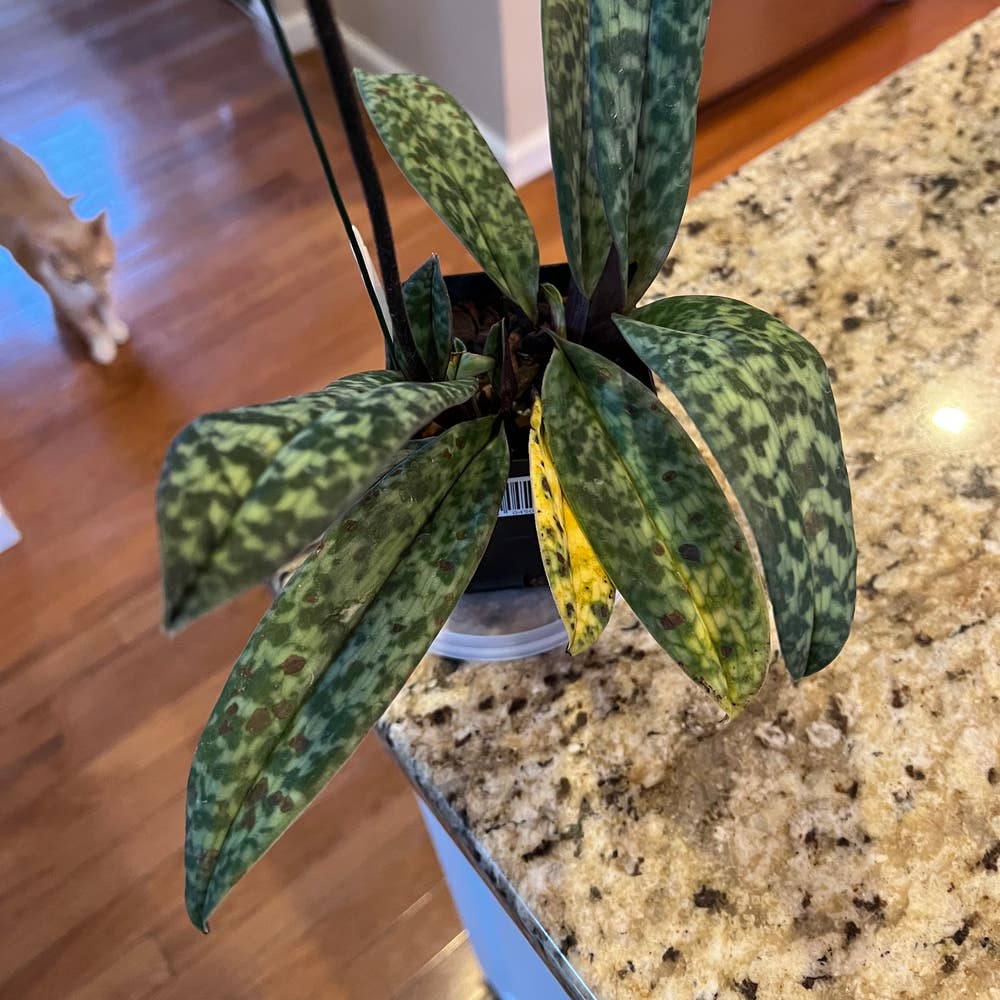
During this stage, you'll notice remarkable changes in the plant's structure. The leaves will become broader and thicker, indicating that the plant is maturing.
Growth habit
As the plant develops, it will form multiple growth points. This leads to a bushier appearance, making your orchid look lush and vibrant.
Health indicators
Monitoring the color of the leaves is crucial. Dark green leaves are a sign of good health, while yellowing may indicate stress or inadequate care.
Summary 📚
Understanding the vegetative growth stage is essential for nurturing your Paphiopedilum 'Maudiae Femma.' By providing the right conditions, you can ensure your orchid thrives and prepares for the next exciting phase: flowering.
Flowering Stage
Timeframe for flowering 🌸
The flowering stage of Paphiopedilum 'Maudiae Femma' typically begins 2 to 5 years after germination. Depending on the care provided, you can expect flowers to bloom once or twice a year.
Description of flower development 🌼
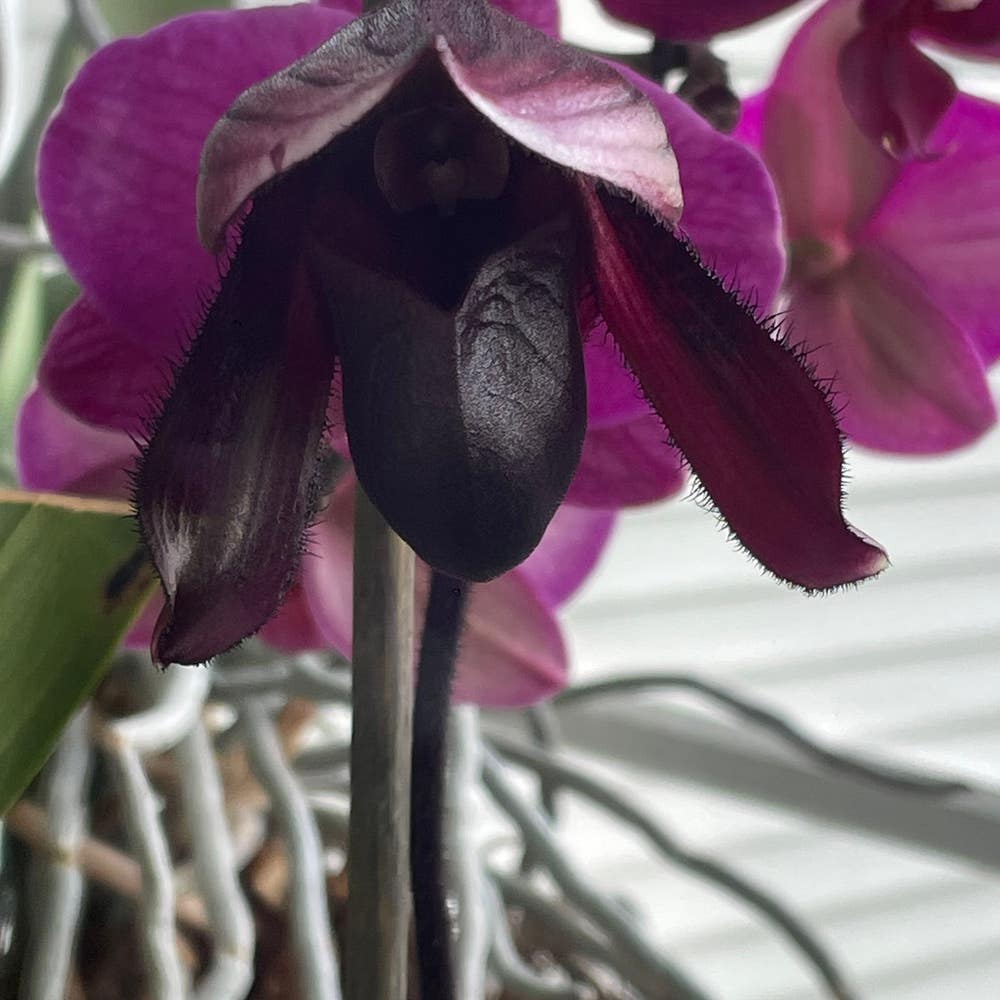
These orchids are renowned for their unique slipper-shaped flowers, which boast intricate patterns that captivate the eye. The flowers usually display a stunning greenish-yellow hue accented with maroon markings.
Lifespan of flowers ⏳
Each flower has a lifespan of about 4 to 6 weeks, offering a delightful display during its peak. This relatively short blooming period emphasizes the importance of proper care to maximize flowering potential.
As you nurture your Paphiopedilum, keep in mind that the journey from seed to flower is a labor of love. The right conditions can lead to a rewarding floral display, making the wait worthwhile.
With this understanding of the flowering stage, let’s explore the notable changes throughout the plant's life cycle.
Notable Changes Throughout Life Cycle
🌱 Physical Changes During Each Growth Stage
The lifecycle of Paphiopedilum 'Maudiae Femma' is marked by distinct physical transformations.
Germination kicks off with the emergence of the first roots and leaves, signaling the plant's initial steps toward growth.
As it enters the seedling stage, you'll notice a transition from thin, delicate leaves to more robust foliage, indicating healthy development.
During the vegetative stage, the plant develops multiple growth points, leading to a bushier appearance and increased leaf size.
Finally, in the flowering stage, the mature growth points produce the unique slipper-shaped flowers that make this orchid so special.
🌿 Changes in Care Requirements as the Plant Matures
As your Paphiopedilum matures, its care requirements evolve significantly.
During the vegetative growth, the plant demands increased water and nutrients to support its expanding structure.
As it transitions to flowering, you'll need to adjust humidity and temperature levels to create the perfect environment for blooming.
🌍 Impact of Environmental Factors on Growth Stages
Environmental factors play a crucial role in the growth of Paphiopedilum 'Maudiae Femma'.
Humidity is essential for all stages; fluctuations can hinder growth and lead to stress.
Temperature consistency is vital, as warm conditions promote faster development and overall health.
Lastly, providing adequate indirect light is crucial for healthy growth and flowering, ensuring your orchid thrives throughout its lifecycle.
Understanding these changes not only enhances your care routine but also deepens your connection with this beautiful plant. Next, let’s explore the specific care tips to optimize each growth stage for your Paphiopedilum.
⚠️ Safety First
This content is for general information and may contain errors, omissions, or outdated details. It is not medical, veterinary advice, or an endorsement of therapeutic claims.
Always consult a qualified healthcare professional before using any plant as food, medicine, or supplement.
Never eat any plant (or feed one to pets) without confirming its identity with at least two trusted sources.
If you suspect poisoning, call Poison Control (800) 222-1222, the Pet Poison Helpline (800) 213-6680, or your local emergency service immediately.
Spotted an error? Please report it here.
Nurturing your Paphiopedilum 'Maudiae Femma' to bloom beautifully takes patience 🌸, and with Greg's tailored care reminders, you can effortlessly meet its unique needs every step of the way!