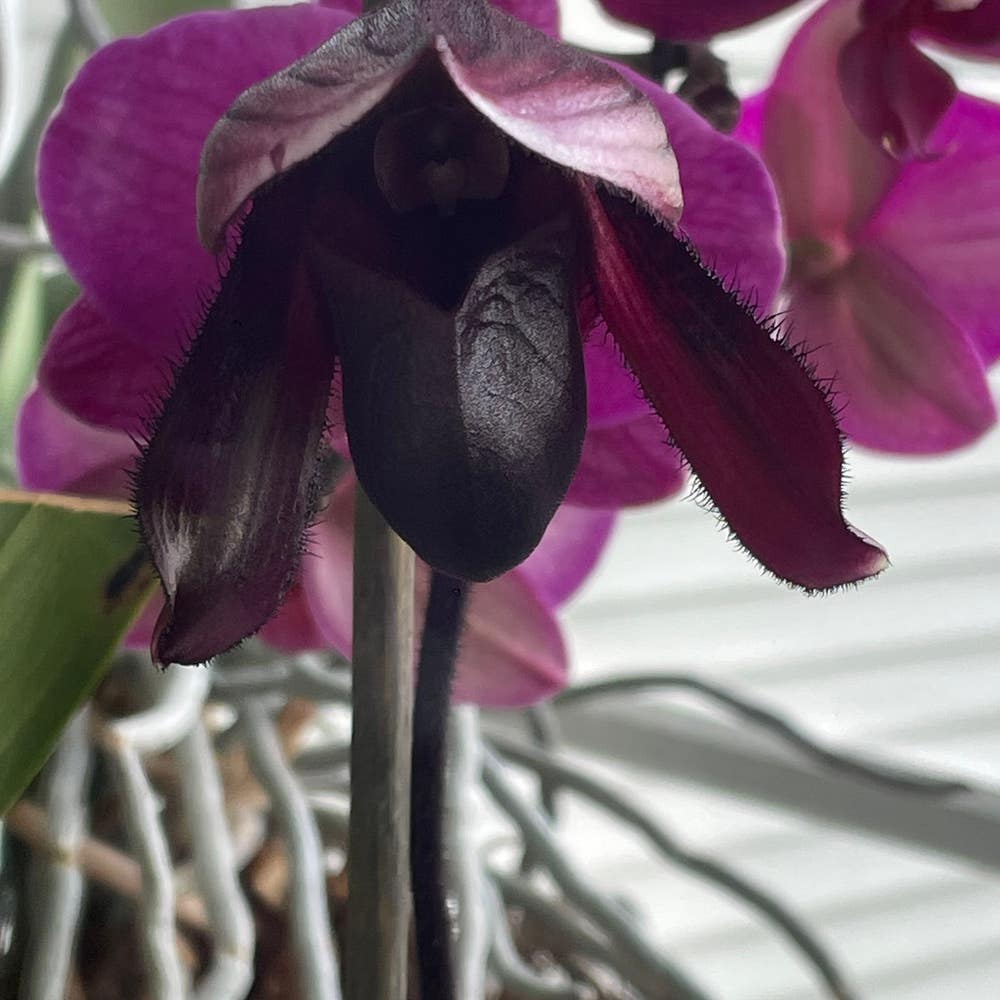
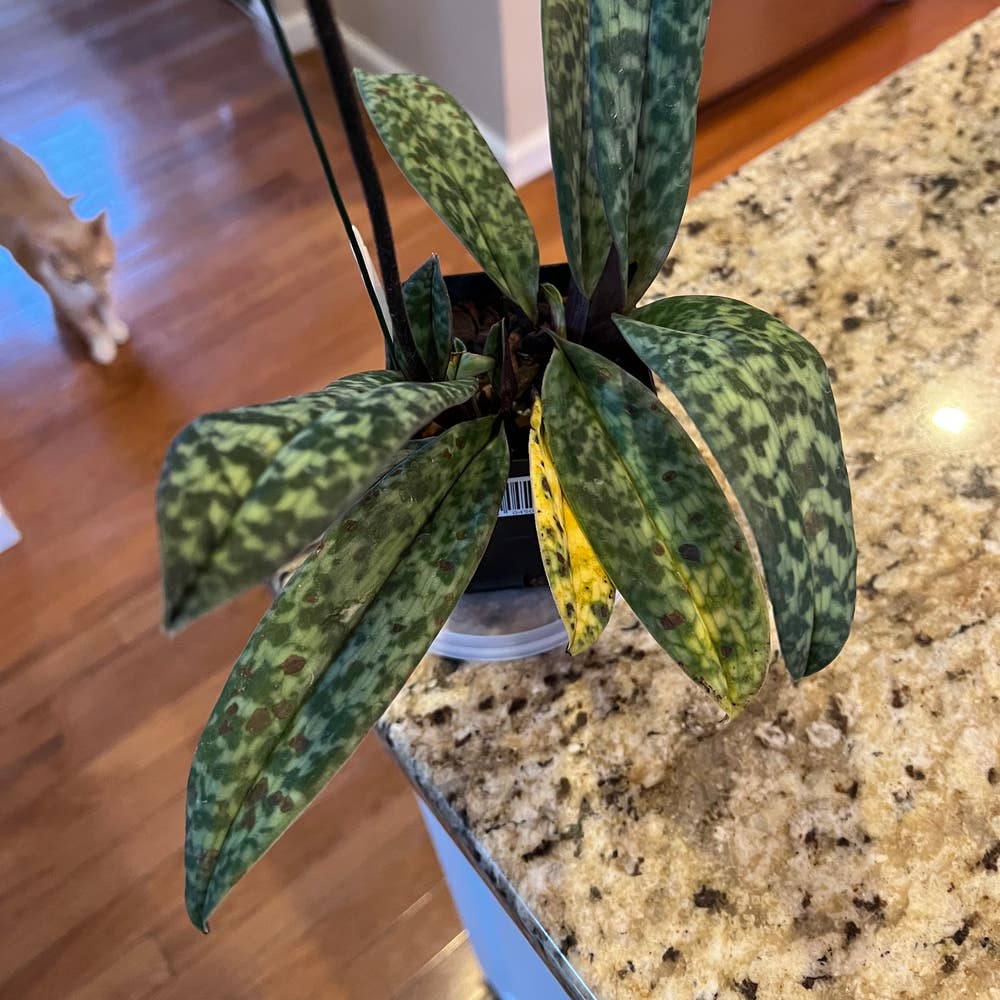
Paphiopedilum 'maudiae Femma' Yellow Leaves
Paphiopedilum 'Maudiae Femma'
By the Greg Editorial Team
Mar 06, 2024•4 min read
This article was created with the help of AI so we can cover more plants for you. May contain errors. See one? Report it here.
- Yellow leaves signal distress, hinting at water imbalance or nutrient deficiency.
- Overwatering and underwatering both lead to yellowing; adjust your watering routine.
- Monitor light exposure and fertilize correctly to maintain vibrant green leaves.
Spotting the Yellow Flags
🚩 Recognizing Symptoms
Yellow leaves can be the first alarm for your Paphiopedilum 'Maudiae Femma'. Early detection is key. Inspect your plant for yellowing leaves, which can signal distress. Check the soil; if it’s too wet or bone dry, you’ve got your first clue.
📊 Decoding Patterns
Yellowing leaves tell a story. Uniform yellowing often points to a systemic issue like nutrient deficiency. Tips turning yellow? Think sunburn. When older leaves yellow, it’s a natural retirement process. But, new growth turning yellow is a red flag for immediate attention.
Water Woes: Finding the Balance
💦 Overwatering Overhaul
Overwatering can turn your Paphiopedilum 'Maudiae Femma' into a soggy mess. Look out for yellowing leaves, especially at the bottom, which can indicate too much water. Pleated leaves and a general droopiness are also red flags. To rescue an overwatered orchid, start by ceasing watering to let the soil dry. If you find root rot, trim away the damaged parts. Then, adjust your watering habits, ensuring the top inch of soil dries out before watering again. Consider a well-draining soil mix to prevent future waterlogging.
🏜️ Underwatering Undercurrents
Conversely, underwatering leaves your orchid looking parched. Signs include wrinkled leaves and a lack of turgidity, making them appear dehydrated. If the soil feels bone-dry, it's a clear SOS. To remedy this, quench your orchid's thirst with a thorough watering, ensuring even moisture distribution. Going forward, maintain a consistent watering schedule, and if you struggle with regularity, a self-watering pot might be a worthwhile investment. Remember, balance is key—too little water and your orchid will thirst; too much, and it could drown.
Feeding Finesse: Nutrients and Deficiencies
🍲 Spotting Starvation
Yellow leaves on your Paphiopedilum 'Maudiae Femma' might be screaming for nitrogen. If the plant is all leaves and no flowers, it's probably overdosing on nitrogen while starving for phosphorus and potassium. Look out for droopy leaves too; they're a cry for help, a sign that your orchid needs a dietary intervention.
💧 Fertilizer Fix
Choosing the right fertilizer is like picking a tailored suit—it needs to fit your plant's needs. Go for a balanced N-P-K mix, but don't ignore the micronutrients like iron and manganese. Moderation is your mantra here; overfeeding can cause nutrient burn. Stick to the script—manufacturer's instructions are there for a reason. Watch for new growth and a return to vibrant green as signs you've hit the sweet spot. Remember, it's not about the quantity of nutrients, but the balance and timing. Adjust with the seasons and your orchid's life cycle, and always keep an eye out for feedback from your plant.
Light and Shade: The Illumination Equation
🌞 Too Much Sun
Excessive sunlight is a no-go for Paphiopedilum 'maudiae Femma'. Leaves can get bleached, a clear sign they're soaking up more rays than they can handle. Scorched edges and spots are the plant's SOS; they need shade, stat.
💡 Not Enough Glow
Conversely, too little light turns leaves pale, as if they're washed out. Your orchid might stretch towards any light source, becoming leggy and weak. It's craving that bright, indirect light—think of it as the plant version of a sunbather behind a sheer curtain.
Proactive Plant Parenting
🌱 Routine Reinforcement
Establishing a care routine is like setting an alarm; it ensures your Paphiopedilum 'Maudiae Femma' gets the attention it needs, when it needs it. Regular check-ups are crucial. Inspect leaves for early signs of distress, such as yellowing or texture changes.
Consistency in care is non-negotiable. Watering should be as reliable as your morning coffee, and lighting adjustments as attentive as updating your social media status. Remember, your plant's needs can change with the seasons, so adapt your care as necessary.
🌿 Environmental Vigilance
Monitoring your orchid's environment is akin to checking the weather before heading out. Ensure the light, humidity, and temperature are always optimal.
Adjusting your care based on your observations is key. Spot a change in leaf color or texture? Act immediately, like responding to a text message from your boss. It could mean tweaking your watering schedule or relocating your plant to a spot with better light.
Pest control is part of the package. Be as vigilant about scouting for critters as you are about checking for software updates on your phone. Early detection and action can prevent a full-scale invasion.
Rotate the plant periodically for even growth and light exposure. Use a balanced fertilizer, but sparingly, to avoid nutrient overload. Prune only as necessary, to encourage healthy growth and not just for aesthetics.
Keep a log of your plant's condition and any care adjustments you make. This can help you pinpoint what's working and what isn't, allowing for more tailored care. If the yellowing diminishes and new foliage looks healthy, you're on the right track. If not, it's time to reassess your approach.
⚠️ Safety First
This content is for general information and may contain errors, omissions, or outdated details. It is not medical, veterinary advice, or an endorsement of therapeutic claims.
Always consult a qualified healthcare professional before using any plant as food, medicine, or supplement.
Never eat any plant (or feed one to pets) without confirming its identity with at least two trusted sources.
If you suspect poisoning, call Poison Control (800) 222-1222, the Pet Poison Helpline (800) 213-6680, or your local emergency service immediately.
Spotted an error? Please report it here.
Revive your orchid's vibrance 🌿 with Greg's personalized care reminders, tackling every yellow-leaf challenge highlighted here for a flourishing Paphiopedilum 'Maudiae Femma'.