What Temperature Does My Paphiopedilum 'Maudiae Femma' Need?
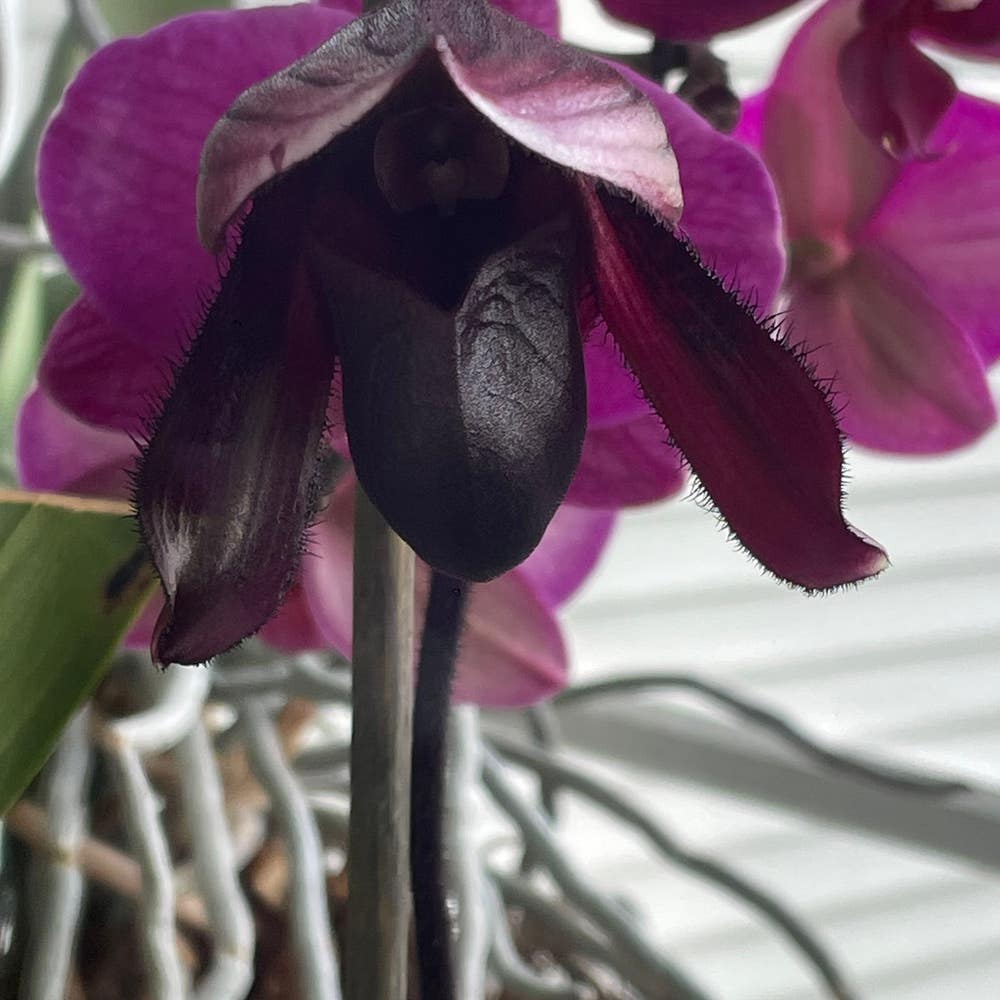
Paphiopedilum 'Maudiae Femma'
By the Greg Editorial Team
Mar 06, 2024•4 min read
This article was created with the help of AI so we can cover more plants for you. May contain errors. See one? Report it here.
- Ideal range 70-80°F day/60°F+ night for 'Maudiae Femma' orchids.
- Consistent temperatures prevent stress, affecting health and blooms.
- Cooler nights can extend flowering season for spectacular displays.
Dialing in the Perfect Climate
🌡️ The Goldilocks Zone: Ideal Temperature Range for 'Maudiae Femma'
Daytime temps should hover around 70 to 80°F, with a gentle dip at night above 60°F. Nighttime isn't just for sleep; it's when your 'Maudiae Femma' conserves energy for those stunning blooms. A 10 to 15-degree drop from daytime warmth is not just nice, it's necessary.
Seasonal shifts aren't just a hassle for your wardrobe; they're a big deal for your orchid. As summer heat intensifies, protect your plant from the midday blaze. In winter, keep it cozy and away from bone-chilling drafts. It's a simple game of thermostat vigilance.
🔄 Consistency is Key
Temperature yo-yos are a no-go. Sudden spikes or drops are the enemies of peace in Orchidville. Keep the climate steady, and you'll avoid turning your 'Maudiae Femma' into a drama queen.
Remember, consistency is like your orchid's comfort food—nourishing and necessary. Avoid placing your plant near vents or drafty windows, where it might suffer from temperature tantrums. Instead, create a stable microclimate that says "steady as she grows."
When Your Orchid Says "I'm Stressed!"
🌡️ Reading the Signs: Symptoms of Temperature Distress
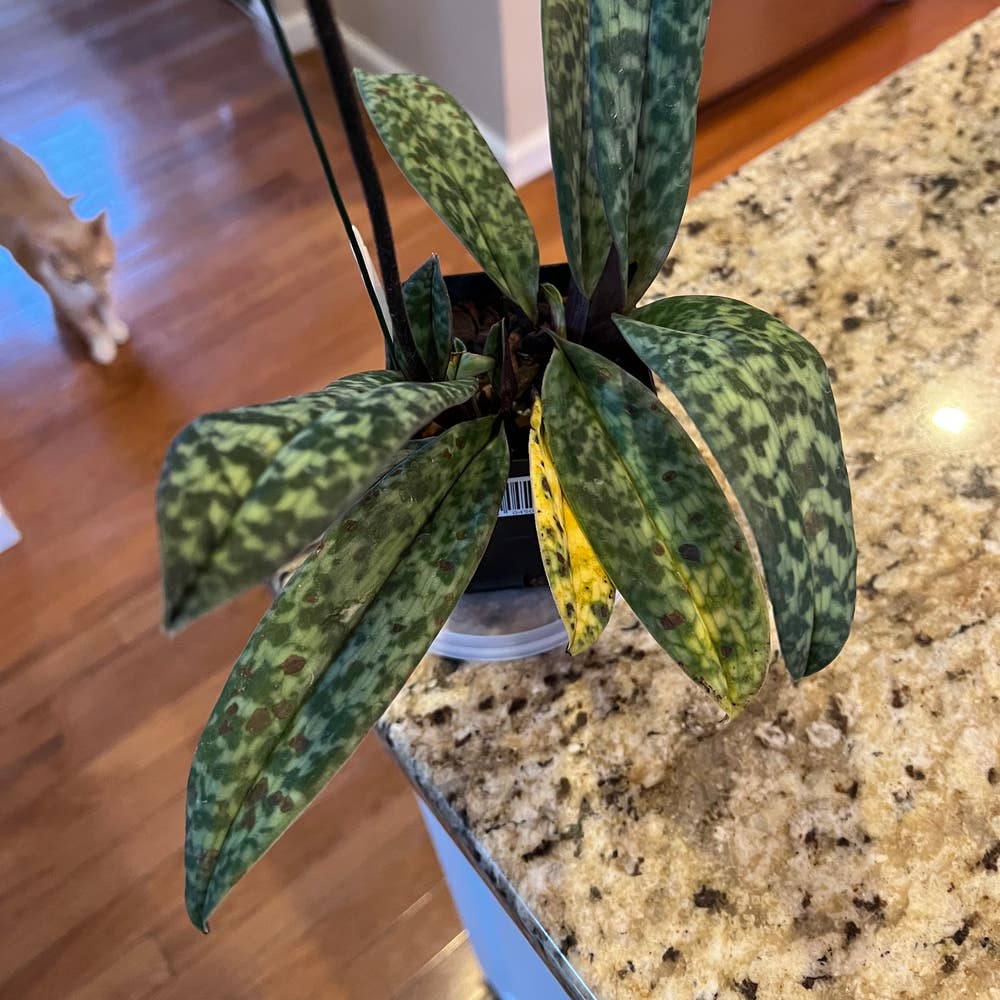
Orchids don't have the luxury of moving to a more comfortable spot when temperatures aren't to their liking. Chilly Paphiopedilum 'Maudiae Femma' might sport surface lesions or discoloration, akin to a plant's version of goosebumps. A cold orchid could also display water-soaked tissues, a prelude to wilting and browning. Slow growth is another sign, though it's a silent alarm that's easy to overlook without a healthier plant for comparison.
Heat stress, on the other hand, turns your orchid into a drama queen. Yellowing leaves wave the white flag of surrender to excessive light and heat. If the leaves feel hot to the touch, it's time to dial down the temperature. Sunburned spots with a reddish-purple hue are not a badge of honor; they're a cry for help. And when the pseudobulbs resemble prunes, it's a clear sign of dehydration. Leathery leaves are the final act of this tragedy, signaling severe dryness.
🛠️ Quick Fixes for Temperature Troubles
When your 'Maudiae Femma' sends out an SOS, it's time for some quick fixes. If it's shivering in the cold, move it to a warmer spot, away from drafts and cold windows. Ensure watering with room-temperature water to avoid shocking its delicate system.
In the face of heat stress, your orchid needs a chill pill. Provide shade and cooler air pronto. If it's been sunbathing too long, reposition it to avoid direct sunlight. Increase watering slightly to counteract the drying effects of the heat, but be mindful not to drown it. Remember, consistent temperatures are the key to avoiding these dramatic episodes. Keep your orchid away from heating and cooling vents to prevent sudden temperature swings that can cause stress.
The Domino Effect: How Temperature Influences Overall Health
🌡️ From Roots to Blooms: The Chain Reaction of Temperature Stress
Temperature isn't just a number on a thermostat; it's a puppet master controlling your Paphiopedilum 'Maudiae Femma' from the underground roots to the show-stopping blooms.
💡 Understanding the link between temperature and nutrient uptake
Roots are the unsung heroes, silently sipping on nutrients, but they're fussy about the temperature of their drinks. Too hot, and they might get lazy, absorbing less. Too cold, and they can go into a kind of hibernation, leaving your orchid hangry for nutrients.
🌸 The impact on flowering: When temperatures derail the bloom train
Flowers are the divas of the plant world, and they demand the perfect climate to strut their stuff. If temperatures swing wildly, your 'Maudiae Femma' might drop its flower buds faster than a hot potato. Keep it steady, and you'll be rewarded with blooms that stick around longer than guests after a party.
Orchestrating the Perfect Bloom
🌡️ Timing and Temperature: Setting the Stage for Spectacular Flowers
Orchid aficionados, take note: temperature is your secret weapon for coaxing 'Maudiae Femma' into its floral encore.
🎭 The Warm-Up Act: Prepping Your Orchid for Its Flowering Finale
To trigger the blooming process, your 'Maudiae Femma' demands a specific temperature routine. During the day, aim for a cozy 65-80°F (18-27°C). When night falls, think cool thoughts and drop the thermostat to 55-65°F (13-18°C). This temperature dip is the orchid's cue to start the show.
🎶 The Encore: How to Extend the Flowering Season with Temperature Tweaks
Once the blooms grace you with their presence, don't get complacent. Maintain the night chill to prolong the floral performance. Avoid the temptation to blast the heat or leave the lights on after hours; your orchid isn't throwing an all-nighter. Keep it cool, and the bloom might just stick around for an encore.
⚠️ Safety First
This content is for general information and may contain errors, omissions, or outdated details. It is not medical, veterinary advice, or an endorsement of therapeutic claims.
Always consult a qualified healthcare professional before using any plant as food, medicine, or supplement.
Never eat any plant (or feed one to pets) without confirming its identity with at least two trusted sources.
If you suspect poisoning, call Poison Control (800) 222-1222, the Pet Poison Helpline (800) 213-6680, or your local emergency service immediately.
Spotted an error? Please report it here.
Ensure your 'Maudiae Femma' orchid thrives with steady blooms 🌡 by using Greg to effortlessly track and adjust your home's climate for that perfect tropical touch.