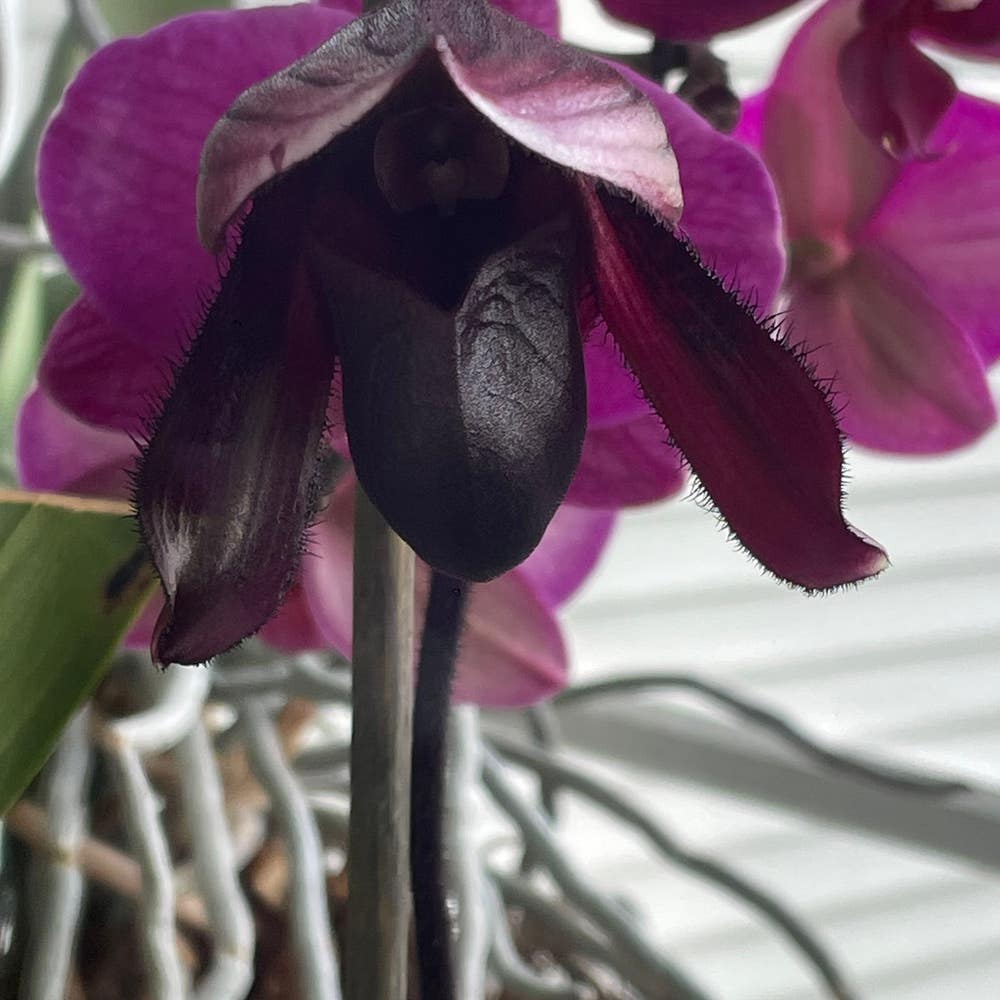
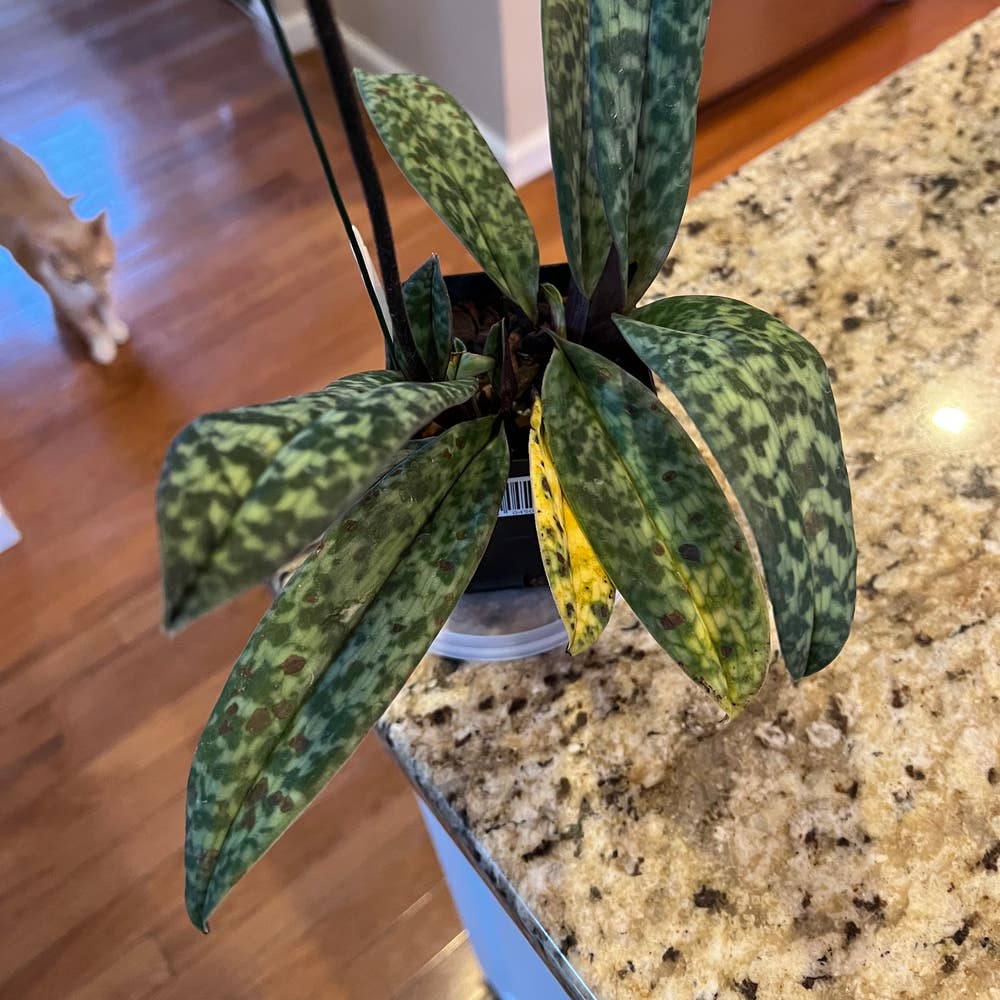
🌸 6 Tips for How to Plant Paphiopedilum 'Maudiae Femma'
Paphiopedilum 'Maudiae Femma'
By the Greg Editorial Team
Oct 02, 2024•4 min read
This article was created with the help of AI so we can cover more plants for you. May contain errors. See one? Report it here.
- 🌱 Plant Paphiopedilum 'Maudiae Femma' in spring for optimal growth conditions.
- 💧 Use a well-draining mix of bark, perlite, and moss to prevent root rot.
- 🌬️ Maintain humidity and air circulation to keep your orchids healthy and vibrant.
Planting New Paphiopedilum 'Maudiae Femma'
🌱 Optimal Timing for Planting
Spring or early summer is the best time to plant your Paphiopedilum 'Maudiae Femma'. Always consider your local climate and humidity levels to ensure optimal growth.
🪴 Selecting the Right Soil Mix and Container
For a thriving orchid, use a potting mix that combines bark, perlite, and sphagnum moss. When choosing a container, both plastic and clay pots work well, but ensure they have drainage holes to prevent waterlogging.
📏 Proper Depth and Spacing for Planting
The crown of the plant should sit level with the soil surface for ideal growth. Space your plants 6-12 inches apart to allow for proper air circulation.
🌡️ Maintaining Ideal Growing Conditions
Aim for a temperature range of 20°C to 30°C (68°F to 86°F) to keep your orchids happy. Humidity levels should be maintained between 50-70% for optimal growth.
🌞 Hardening Off Process Before Outdoor Planting
- Gradually expose your plant to outdoor conditions over 7-10 days.
- Start with 1-2 hours of outdoor time, increasing it daily.
- Keep an eye out for signs of stress or shock during this transition.
By following these steps, you'll set your Paphiopedilum 'Maudiae Femma' up for success. Next, we’ll dive into how to transplant established plants for continued growth and health.
Transplanting Established Paphiopedilum 'Maudiae Femma'
Optimal Timing for Transplanting 🌱
The best time to transplant your Paphiopedilum 'Maudiae Femma' is in the spring, right after it has finished flowering. Look for signs like root-bound conditions or poor growth to determine if it’s time for a move.
Step-by-Step Instructions for Transplanting 🛠️
- Water the Plant: A day before transplanting, give your plant a good drink to reduce stress.
- Remove the Plant: Carefully take the plant out of its pot, loosening the roots if they’re stuck.
- Inspect Roots: Check for any rot or damage and trim as necessary to promote healthy growth.
- Prepare New Site: Use a well-draining potting mix to set up the new planting site.
- Replant: Place the plant in its new pot, ensuring it’s at the right depth and spaced properly.
Space Requirements for Established Plants 📏
For mature plants, ensure a minimum spacing of 12-18 inches apart. This allows for adequate air circulation and room for growth.
Tips on Watering, Mulching, and Support 💧
- Watering: Keep the soil consistently moist but avoid sogginess to prevent root rot.
- Mulching: Use orchid bark to help retain moisture and suppress weeds.
- Support: If your plant grows tall, consider using stakes for additional support.
Transplanting can be a rewarding experience, leading to healthier growth and vibrant blooms. With the right timing and care, your Paphiopedilum 'Maudiae Femma' will thrive in its new home. Next, let’s explore how to troubleshoot common issues that may arise during this process.
Troubleshooting Common Issues
🥴 Identifying and Addressing Transplant Shock
Transplant shock can be a real bummer for your Paphiopedilum 'Maudiae Femma'. Look out for symptoms like wilting, yellowing leaves, and stunted growth.
To combat this, keep the soil consistently moist and avoid placing the plant in direct sunlight. This will help it acclimate to its new environment without added stress.
🛠️ Solutions for Establishment Problems
If your plant is struggling, you might notice poor root growth or leaf drop. These signs indicate establishment issues that need your attention.
Adjust your watering schedule to ensure the plant gets the right amount of moisture. Also, check for pests that could be hindering its growth.
🐛 Common Pests and Diseases Affecting Paphiopedilum
Pests can be a nuisance for your orchids. Common culprits include aphids, mealybugs, and spider mites.
To prevent diseases, ensure proper air circulation and maintain humidity levels. This creates a healthier environment for your Paphiopedilum, keeping it thriving.
With these troubleshooting tips, you can help your Paphiopedilum flourish and enjoy its beauty for years to come. Next, let’s explore how to transplant established plants for optimal growth.
⚠️ Safety First
This content is for general information and may contain errors, omissions, or outdated details. It is not medical, veterinary advice, or an endorsement of therapeutic claims.
Always consult a qualified healthcare professional before using any plant as food, medicine, or supplement.
Never eat any plant (or feed one to pets) without confirming its identity with at least two trusted sources.
If you suspect poisoning, call Poison Control (800) 222-1222, the Pet Poison Helpline (800) 213-6680, or your local emergency service immediately.
Spotted an error? Please report it here.
Plant your Paphiopedilum 'Maudiae Femma' with confidence 🌱, and let Greg guide you with custom care reminders to ensure your orchid thrives and dazzles with vibrant blooms!