Brown Spots On Paphiopedilum 'maudiae Femma' Leaves
Paphiopedilum 'Maudiae Femma'
By the Greg Editorial Team
Mar 06, 2024•5 min read
This article was created with the help of AI so we can cover more plants for you. May contain errors. See one? Report it here.
- Early detection is key to treating orchid brown spots effectively.
- Fungal, bacterial, or environmental? Identify the cause for proper treatment.
- Prevent with care: Regular checks and stable environment keep orchids healthy.
Spotting the Trouble: Identifying Brown Spots
🕵️ Early Detection Signs
Early detection is your best defense against brown spots on Paphiopedilum 'Maudiae Femma' leaves. These spots often start as small blemishes and can appear anywhere on the leaf surface. Whether they pop up on the leaf's edge or smack dab in the middle, catching them quickly is key.
🎨 Differentiating Brown Spots
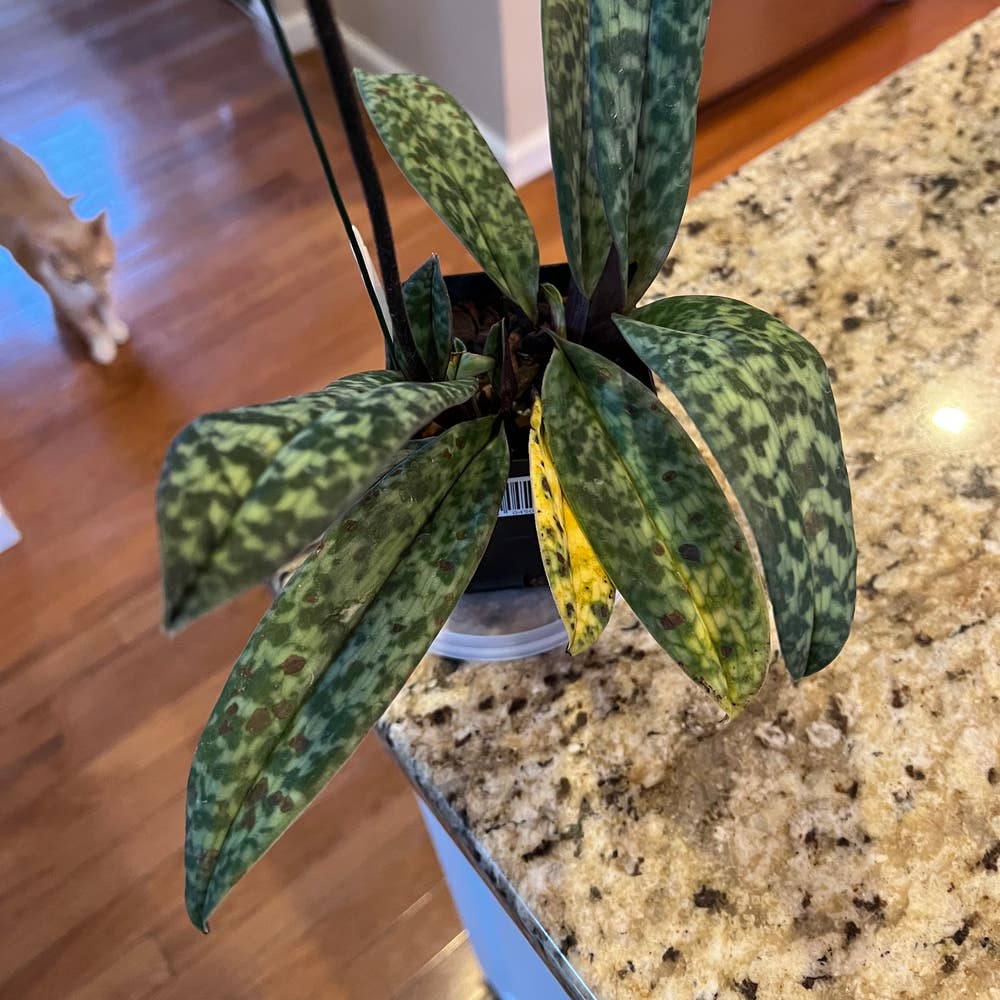
Color and texture are your clues in the brown spot whodunit. Fungal spots may look like they've thrown a party, complete with halos or rings. Bacterial spots? They're the soggy intruders, often leaving the leaf looking like it's been through a water fight. Environmental stress? That's your plant throwing a tantrum, with spots showing up where it's just too hot or too cold.
Location and arrangement can also spill the beans. Spots on lower leaves might hint at water issues, while the upper echelon could be screaming sunburn. And if those spots are spreading faster than gossip, you might be dealing with a full-blown infection or an insect rave.
Remember, not all brown is bad. Some spots are just leaf freckles or the scars of a life well-lived. Consistency is your sidekick here—look for patterns that repeat like a bad pop song. That's when you know it's time to act.
The Usual Suspects: Causes of Brown Spots
🍄 Fungal Foes
Fungi are stealth attackers in the plant world, leaving brown spots as their calling cards. Anthracnose and Leaf Spot Disease are the usual suspects, with spots varying in size and color. High humidity and poor air circulation are their best friends. Look for irregular brown spots, sometimes with a yellow halo, indicating a fungal fiesta on your Paphiopedilum 'Maudiae Femma' leaves.
🦠 Bacterial Bullies
Bacterial infections are like the sneaky neighbors who leave trash on your lawn. They create water-soaked spots, often with a distinctive red or yellow edge. Overwatering and poor drainage are their VIP passes to the leaf party. These spots can quickly escalate to blight, so catching them early is key.
🌿 Environmental Stressors
Environmental factors are the silent but deadly types, causing brown spots through light burn or temperature tantrums. Too much sun can scorch leaves, leaving behind brown patches like a bad sunburn. Inconsistent watering? That's just asking for trouble. Keep an eye out for these non-infectious brown spots – they're a sign your orchid is crying out for a more stable environment.
First Aid for Foliage: Treating Brown Spots
🦠 Battling Infections
When brown spots invade your Paphiopedilum 'Maudiae Femma', it's time to channel your inner plant medic. Here's how to fight off those pesky pathogens:
🍄 Fungal Foes
- Isolate your orchid to prevent the fungal funk from spreading its groove to other plants.
- Snip off the affected areas with sterilized shears—think surgery, but for plants.
- Mix up a home remedy of ½ teaspoon baking soda and 1 teaspoon liquid soap in a gallon of water. Spray it like you're setting a world record for leaf coverage, every two weeks.
- If that doesn't cut it, it's time for a copper-based fungicide. Suit up with gloves and a mask, and follow the label like it's the secret to eternal youth.
- For the hardcore cases, a systemic fungicide is your go-to. Use it as directed—this isn't the time for creative dosing.
🦠 Bacterial Bullies
- Trim away the brown spots, and apply a cinnamon paste to fungal infections or a bactericide for bacterial ones.
- Keep your watering game strong but not overzealous—water only when the top inch of soil is dry.
- Ensure good airflow around your orchid; think of it as giving your plant its personal space.
🌡️ Environmental Adjustments
Sometimes, it's not about fighting an infection but about fixing the scene:
Light and Temperature
- Relocate your orchid if it's getting too much sun. Aim for that sweet spot where the light is bright but not harsh—an east-facing window can be prime real estate.
- Keep the temperature consistent—orchids aren't fans of the hot-cold drama.
Water and Humidity
- Check the soil's moisture with the good ol' finger test. If it's dry, give it a drink with room-temperature water.
- Humidity is key, but don't turn your orchid's home into a sauna. Aim for that just-right humidity level.
Airflow
- Make sure your plant isn't suffocating in a corner. Good circulation is crucial, so consider a fan if your air is as still as a pond.
Remember, the goal is to create an environment where brown spots are as unwelcome as ants at a picnic. Keep it clean, keep it dry, and keep those leaves living their best life.
Keeping the Leaves Pristine: Prevention Strategies
🌿 Routine Leaf Check-ups
Regular inspections are crucial. Think of them as your plant's personal health screenings. During these check-ups, use a damp cloth to gently wipe away any dust or grime, keeping the leaves shiny and efficient at photosynthesis. This also doubles as a pest patrol, because let's face it, bugs are sneaky.
🏡 Creating the Ideal Home
Consistency is your plant's best pal. It thrives in stable conditions, so keep those humidity and light levels as predictable as your morning coffee routine. If your air is drier than a comedian's wit, consider misting or a pebble tray to up the humidity game. And remember, watering is a skill—aim for the base and adjust with the seasons, because no one likes soggy feet, especially not your orchid. Keep the ground clean; it's not just about looks, it's about keeping the fungal riff-raff at bay.
⚠️ Safety First
This content is for general information and may contain errors, omissions, or outdated details. It is not medical, veterinary advice, or an endorsement of therapeutic claims.
Always consult a qualified healthcare professional before using any plant as food, medicine, or supplement.
Never eat any plant (or feed one to pets) without confirming its identity with at least two trusted sources.
If you suspect poisoning, call Poison Control (800) 222-1222, the Pet Poison Helpline (800) 213-6680, or your local emergency service immediately.
Spotted an error? Please report it here.
Keep your Paphiopedilum 'maudiae Femma' spot-free 🌿 with Greg's personalized care reminders, ensuring the perfect balance of light and water to prevent those pesky brown spots.