How Should Paphiopedilum 'Maudiae Femma' Be Cut Back?
Paphiopedilum 'Maudiae Femma'
By the Greg Editorial Team
Mar 06, 2024•3 min read
This article was created with the help of AI so we can cover more plants for you. May contain errors. See one? Report it here.
- Prune when flowers fade and growth pauses for best results.
- Use sharp shears and disinfect cuts to prevent infection.
- Adjust care post-pruning to encourage new blooms.
When to Wield the Shears
🌸 Spotting the Right Time
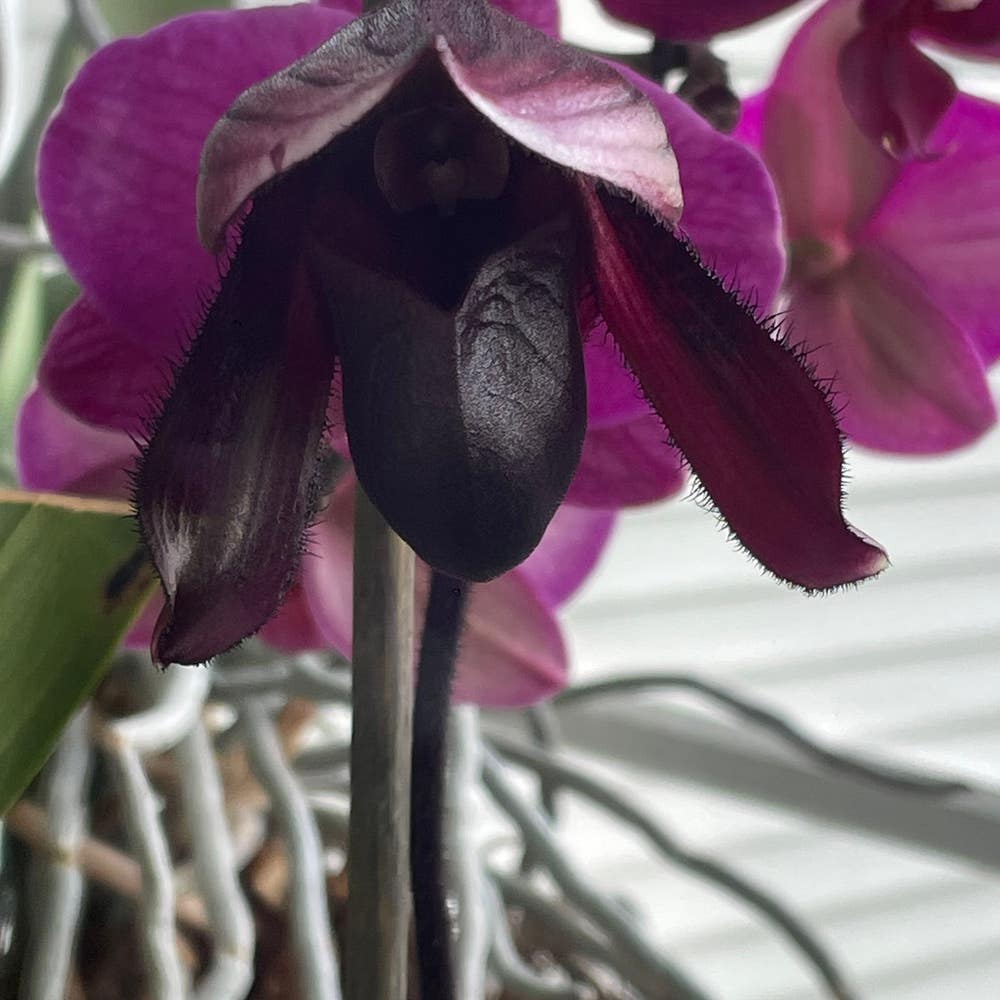
Timing is critical when it comes to pruning your Paphiopedilum 'Maudiae Femma'. After the orchid's showy blooms have faded, it enters a dormancy period. This is your cue to prune. Faded flowers and a noticeable pause in growth signal that it's time to get your shears out.
🍂 Seasonal Considerations
Pruning isn't a one-size-fits-all task; it's a seasonal affair. Spring and fall are typically the best times to prune, coinciding with the orchid's natural growth cycles. Pruning during dormancy is like waking a sleeping giant—it's not just rude, it's counterproductive. Post-flowering, as the plant prepares for new growth, is your golden window for pruning. If you've missed this period, don't sweat it—just focus on providing stellar care to help your orchid recover.
Pruning Like a Pro
✂️ Snipping Spent Blooms
After your Paphiopedilum 'Maudiae Femma' has stopped showing off its flowers, it's trimming time. Here's the drill: find the node below the lowest bloom and cut about an inch above it at a 45-degree angle. This isn't just a cosmetic chop; it's a strategic move to encourage new growth.
🍃 Leaf Liftoff
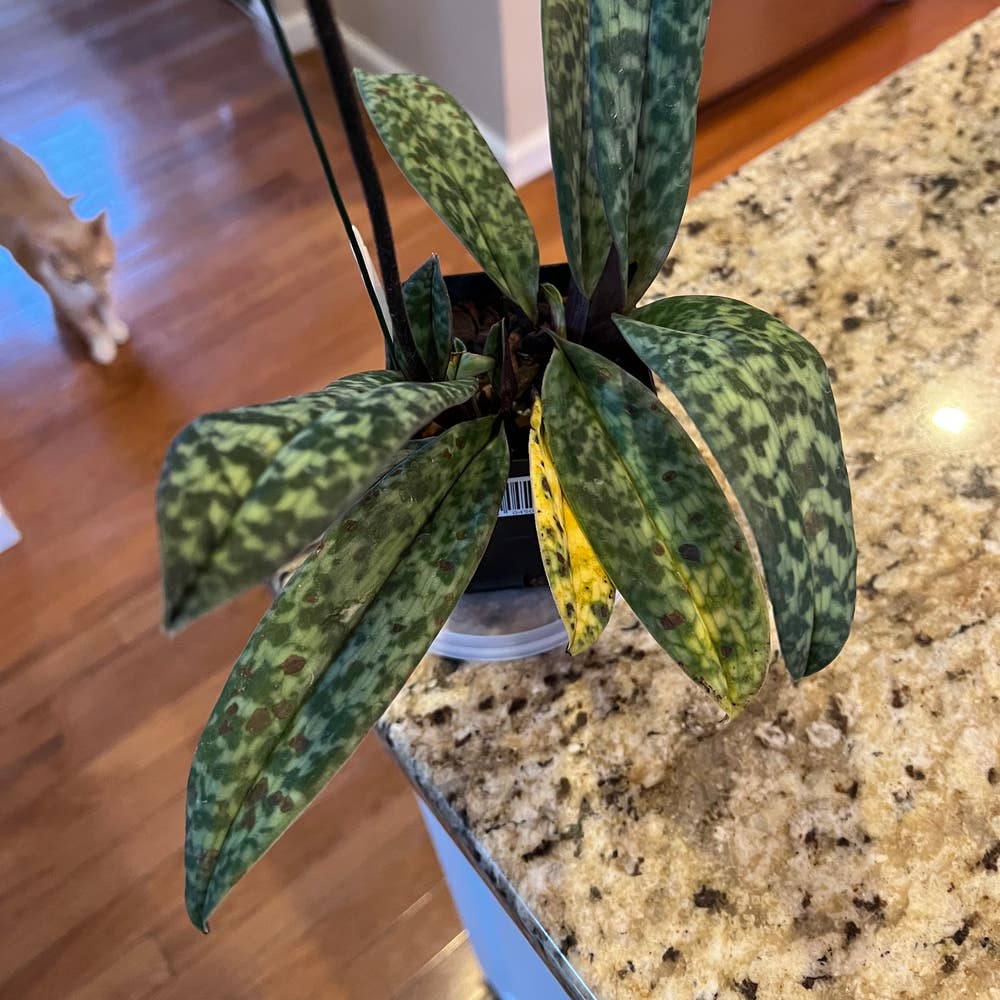
Yellowing or damaged leaves? They've got to go. Gently remove them by cutting at the base, where the leaf meets the stem. It's like decluttering your orchid's life, making room for the healthy and vibrant.
🌱 The Art of Orchid Division
Dividing your 'Maudiae Femma' is like giving it a new lease on life. Do this every few years when the plant looks overcrowded. Carefully separate the plant into smaller sections, each with at least three healthy pseudobulbs, and repot. It's a propagation party, and your orchid is the guest of honor.
Pruning Prep and Aftercare
🌿 Pruning Gear
Before you start snipping away at your Paphiopedilum 'Maudiae Femma', gear up with the right tools. You'll need:
- Sharp pruning shears: Essential for clean cuts.
- Alcohol wipes or solution: For sterilizing shears before and after use.
- Gloves: To protect your hands from any potential irritants.
🌺 Post-Pruning TLC
After you've pruned, it's time for some orchid aftercare. Here's how to keep your plant healthy:
- Clean cuts: Ensure they're disinfected to prevent infection.
- Water wisely: Sparingly, to avoid rot at the fresh cut sites.
- Stable environment: Keep your orchid away from drafts and direct sunlight while it recovers.
- Monitor: Watch for signs of new growth as an indicator of successful recovery.
Keeping an Eye Out
👀 Growth Watch
After pruning your Paphiopedilum 'Maudiae Femma', vigilance is your new best friend. Look for signs of new growth; this is your orchid's high-five for a job well done. Yellowing or wilting leaves, however, are red flags. They're your cue to spring into action and address any issues that might arise.
🛠 Tweaking Care Post-Trim
Adjusting your care routine post-pruning isn't just good practice—it's essential. If you notice budding action, it's time to fine-tune your care to support those potential blooms. This might mean altering watering frequency, tweaking light exposure, or even changing up your fertilization game. Remember, the goal is to create the perfect environment for your orchid to thrive and rebloom.
⚠️ Safety First
This content is for general information and may contain errors, omissions, or outdated details. It is not medical, veterinary advice, or an endorsement of therapeutic claims.
Always consult a qualified healthcare professional before using any plant as food, medicine, or supplement.
Never eat any plant (or feed one to pets) without confirming its identity with at least two trusted sources.
If you suspect poisoning, call Poison Control (800) 222-1222, the Pet Poison Helpline (800) 213-6680, or your local emergency service immediately.
Spotted an error? Please report it here.
Trim your Paphiopedilum 'Maudiae Femma' at just the right time 🕒 with Greg's personalized care plan, ensuring your orchid recovers and blooms beautifully.