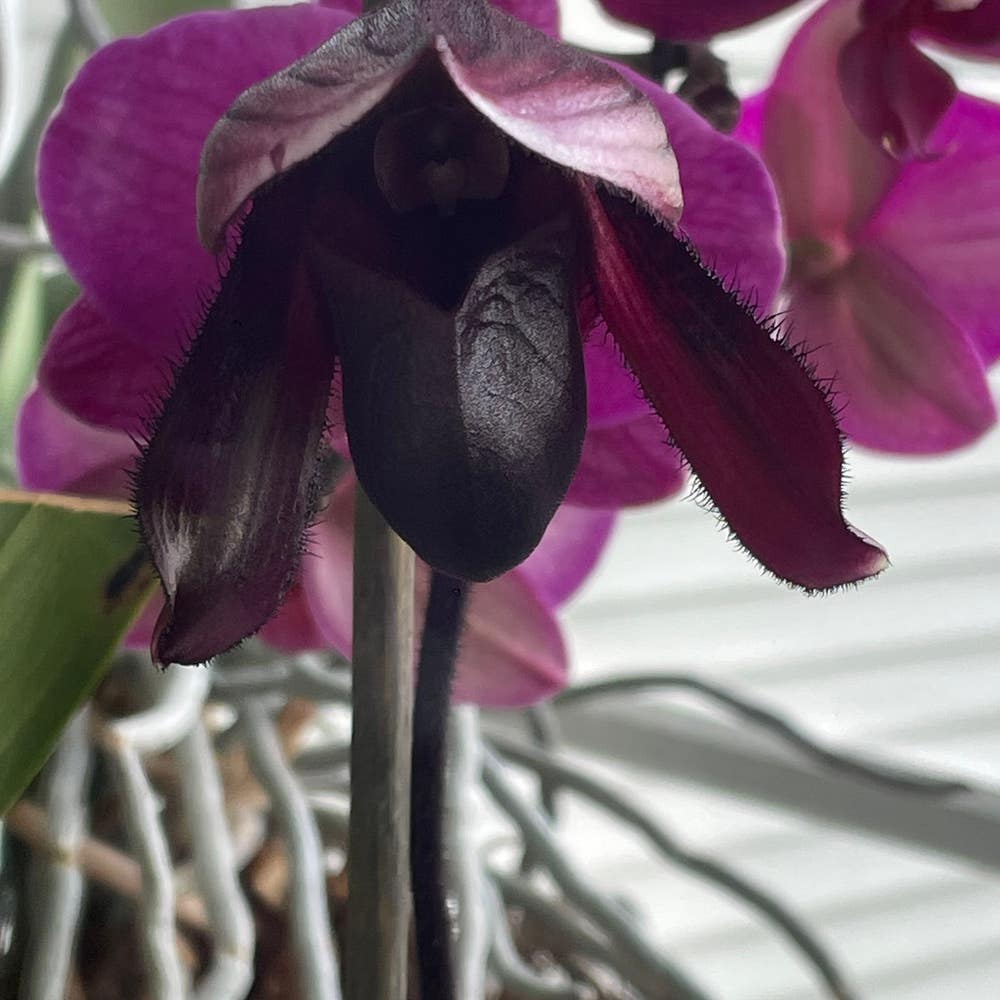
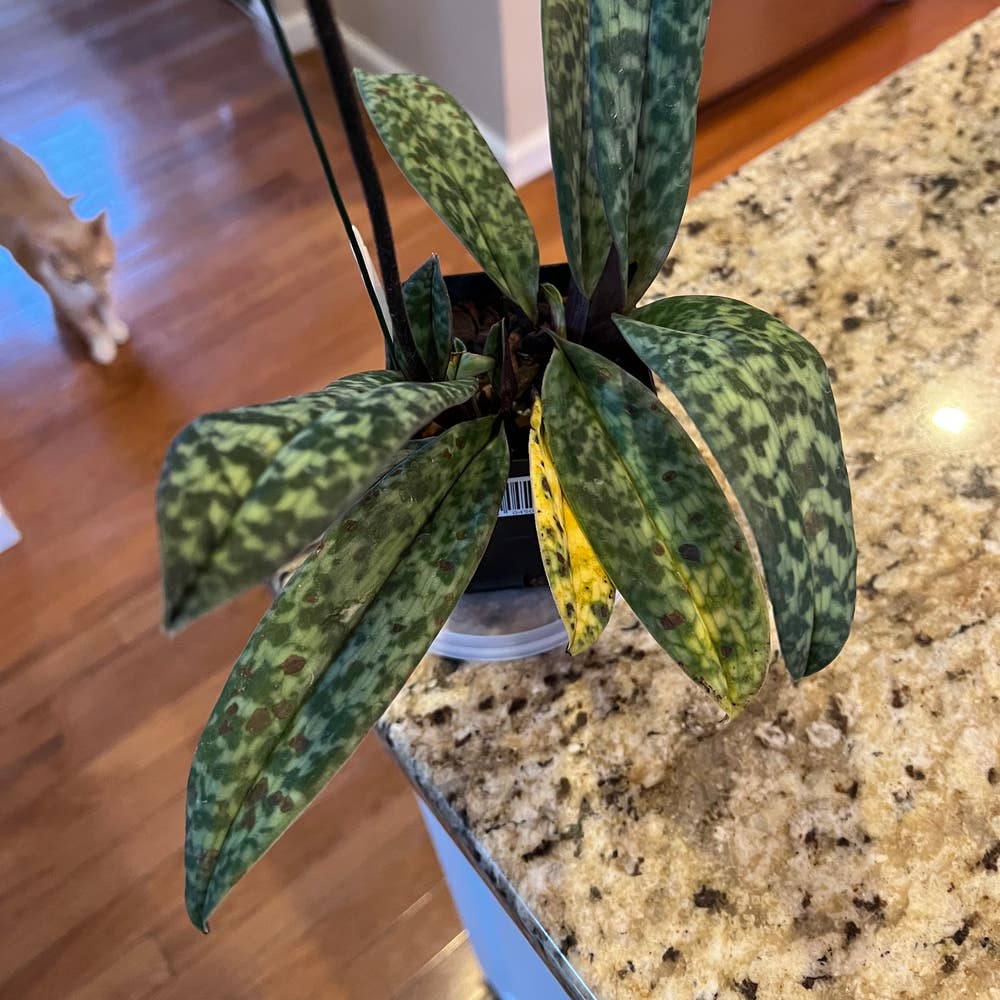
Fertilizing My Paphiopedilum 'Maudiae Femma'
Paphiopedilum 'Maudiae Femma'
By the Greg Editorial Team
Mar 06, 2024•4 min read
This article was created with the help of AI so we can cover more plants for you. May contain errors. See one? Report it here.
- Balanced fertilizer with phosphorus is key for 'Maudiae Femma' blooms.
- 🌱 Organic vs. synthetic: choose based on sustainability or immediacy.
- Monitor for over-fertilization; yellow leaves and brown tips are warnings.
Choosing the Right Fertilizer for Your 'Maudiae Femma'
💡 Understanding Nutritional Needs
Nitrogen, phosphorus, and potassium are the trifecta of nutrients your 'Maudiae Femma' orchid needs. Nitrogen fuels leaf growth, while phosphorus is the MVP for blooming. Potassium keeps the plant's overall health in check. Don't forget the backup dancers—micronutrients like magnesium and iron play crucial roles in your orchid's performance.
🍽️ Fertilizer Types and Brands
There's a buffet of fertilizers out there, but not all are fit for your 'Maudiae Femma'. Look for brands that offer a balanced mix, especially those with a good phosphorus content. Whether it's a well-known label or a niche product, your orchid's reaction is the best review you'll get.
🌱 Organic vs. Synthetic Fertilizers
Organic fertilizers are the slow food movement of plant nutrition—gentle and sustainable. They improve soil health over time but don't expect overnight miracles. Synthetic fertilizers are the fast food option—quick, efficient, and to the point. They can give your orchid a rapid boost, but use them wisely to avoid the equivalent of a nutrient overdose.
Timing is Everything: Fertilizing Schedule
⏰ Growth and Dormancy Cycles
Your 'Maudiae Femma' doesn't wear a watch, but it has an internal clock. It's crucial to align your fertilizing schedule with this clock—the orchid's growth and dormancy cycles. During growth, it's all systems go; fertilize to support those new leaves and roots. Hit pause on the fertilizer when your orchid is in its rest phase. It's like respecting someone's nap time—you don't barge in with a nutrient-packed smoothie when they're trying to sleep.
🍂 Seasonal Adjustments
As the seasons shift, so should your fertilizing strategy. When summer turns up the heat, your 'Maudiae Femma' might need a little extra. Think of it as hydration with benefits. But when winter rolls in and the orchid's growth slows, it's time to ease up. It's not just about being kind to your plant; it's about avoiding waste. Overfeeding in the off-season is like pouring fertilizer down the drain. Keep it light, keep it right.
How to Fertilize Like a Pro
💧 Application Techniques
Fertilizing your 'Maudiae Femma' is less about brute force and more about finesse. Soil application is the go-to method. Imagine you're watering your plant, but instead, it's a nutrient-rich concoction you're serving. Pour the diluted fertilizer near the base, ensuring it reaches the roots without flooding the plant. Avoid splashing the leaves; this isn't a shower—it's a targeted root refreshment.
Dosage and Dilution
Getting the dosage right is like finding the perfect volume on your stereo—not too loud, not too soft. Half-strength dilution is your mantra here. Mix your fertilizer with an equal part of water to avoid overwhelming your 'Maudiae Femma'. It's a nutrient cocktail that's more hydrating than intoxicating, ensuring your orchid doesn't get tipsy on too much of a good thing. Keep it balanced, and your orchid will thank you with vibrant growth.
Recognizing and Remedying Over-Fertilization
🚨 Spotting Trouble
Over-fertilization can be subtle or glaringly obvious. Your Paphiopedilum 'Maudiae Femma' might exhibit yellowing leaves, a telltale white crust on the soil, or even browning leaf tips. These are distress signals, as clear as a flashing warning light on your dashboard. If the roots look brown or mushy—think overcooked noodles—your orchid is definitely in the danger zone. Wilting can also occur, misleadingly suggesting thirst when in reality, it's a nutrient overdose.
🛑 Damage Control
Caught red-handed with the fertilizer? Stop all fertilization immediately. Remove any visible fertilizer granules to prevent further nutrient release. Next, flush the soil with water to wash away excess nutrients. This is like hitting the reset button on your plant's health. Make sure your pot has drainage holes to avoid waterlogging, which is just swapping one problem for another. Prune damaged foliage to help your orchid focus on recovery, not on sustaining injured parts. If the situation is dire, consider repotting with fresh soil to give your 'Maudiae Femma' a clean slate. When you see signs of recovery, resume fertilizing, but with the caution of a bomb technician handling a delicate explosive. Remember, it's a meal, not an all-you-can-eat buffet.
⚠️ Safety First
This content is for general information and may contain errors, omissions, or outdated details. It is not medical, veterinary advice, or an endorsement of therapeutic claims.
Always consult a qualified healthcare professional before using any plant as food, medicine, or supplement.
Never eat any plant (or feed one to pets) without confirming its identity with at least two trusted sources.
If you suspect poisoning, call Poison Control (800) 222-1222, the Pet Poison Helpline (800) 213-6680, or your local emergency service immediately.
Spotted an error? Please report it here.
Nurture your 'Maudiae Femma' orchid to flourishing beauty 🌸 with Greg's tailored fertilizing reminders that align with your orchid's growth cycle!