🌸 Paphiopedilum 'Maudiae Femma' is Not an Invasive Plant
Paphiopedilum 'Maudiae Femma'
By the Greg Editorial Team
Oct 02, 2024•5 min read
This article was created with the help of AI so we can cover more plants for you. May contain errors. See one? Report it here.
- 🌱 Paphiopedilum 'Maudiae Femma' is non-invasive, thriving in bright, indirect light and partial shade.
- 🐝 This orchid attracts pollinators, enhancing biodiversity and supporting a thriving garden ecosystem.
- 💧 Consistent moisture is key; avoid waterlogging for optimal growth and health.
Growth Habits
Typical Growth Patterns 🌱
Paphiopedilum 'Maudiae Femma' showcases a charming clumping habit, reaching heights of 12 to 18 inches. It thrives in bright, indirect light but can also tolerate partial shade, making it versatile for various garden settings.
This orchid requires consistent moisture to flourish, but be cautious of waterlogging. Ideal humidity levels range from 50% to 70%, creating a perfect environment for its growth.
Natural Limits to Growth 🚧
The growth rate of this orchid is slow to moderate, typically taking 2 to 3 years to reach maturity. It flourishes in well-draining media and is sensitive to extreme temperatures and drought conditions.
Understanding these natural limits helps gardeners provide the best care, ensuring that Paphiopedilum 'Maudiae Femma' remains a stunning addition to any garden.
With its unique growth habits, this orchid sets the stage for a deeper exploration of its ecological role in gardens.
Ecological Role
Benefits in Gardens 🌼
Paphiopedilum 'Maudiae Femma' is a magnet for pollinators. Its unique flowers attract bees and butterflies, playing a vital role in promoting biodiversity in your garden.
Additionally, the roots of this orchid enhance soil structure and nutrient availability. This means healthier plants and a more vibrant ecosystem right in your backyard.
Positive Interactions 🐝
Beyond attracting pollinators, this orchid provides shelter and food sources for various species. Its presence supports a thriving garden community.
Moreover, it can coexist harmoniously with a variety of garden plants without competing for resources. This adaptability makes it a fantastic choice for any garden enthusiast looking to enrich their landscape.
As you consider incorporating Paphiopedilum 'Maudiae Femma' into your garden, think about the positive ecological impacts it can have. Next, let’s explore how to effectively manage its growth for optimal beauty and health.
Garden Management
Incorporating into Designs 🌿
Paphiopedilum 'Maudiae Femma' thrives in shaded areas, making it perfect for understory planting. Its unique flowers can serve as stunning focal points in mixed borders, adding visual interest to your garden.
Pairing this orchid with other wildlife-friendly plants can significantly enhance biodiversity. Consider companions that attract pollinators, creating a vibrant ecosystem right in your backyard.
Growth Control Methods ✂️
To keep your Paphiopedilum looking its best, regularly remove dead or damaged leaves. This simple maintenance step not only improves appearance but also promotes overall plant health.
Dividing clumps every 2-3 years is essential to prevent overcrowding. This practice encourages healthy growth and ensures your orchid continues to flourish in its environment.
Incorporating these management techniques will help you enjoy the beauty of Paphiopedilum 'Maudiae Femma' while supporting a thriving garden ecosystem. Next, let's explore how this orchid compares to other plants in terms of growth habits and unique qualities.
Comparison to Other Plants
🌱 Similar Non-Invasive Plants
When considering non-invasive orchids, Cattleya and Dendrobium are excellent examples. Both thrive in similar conditions as Paphiopedilum 'Maudiae Femma', showcasing a clumping growth habit and vibrant blooms.
- Cattleya: Known for its large, showy flowers, it prefers bright light and can reach heights of 12-18 inches, similar to our slipper orchid.
- Dendrobium: This variety offers a slightly faster growth rate and can adapt to various light conditions, making it a versatile choice for gardeners.
🌟 Unique Qualities
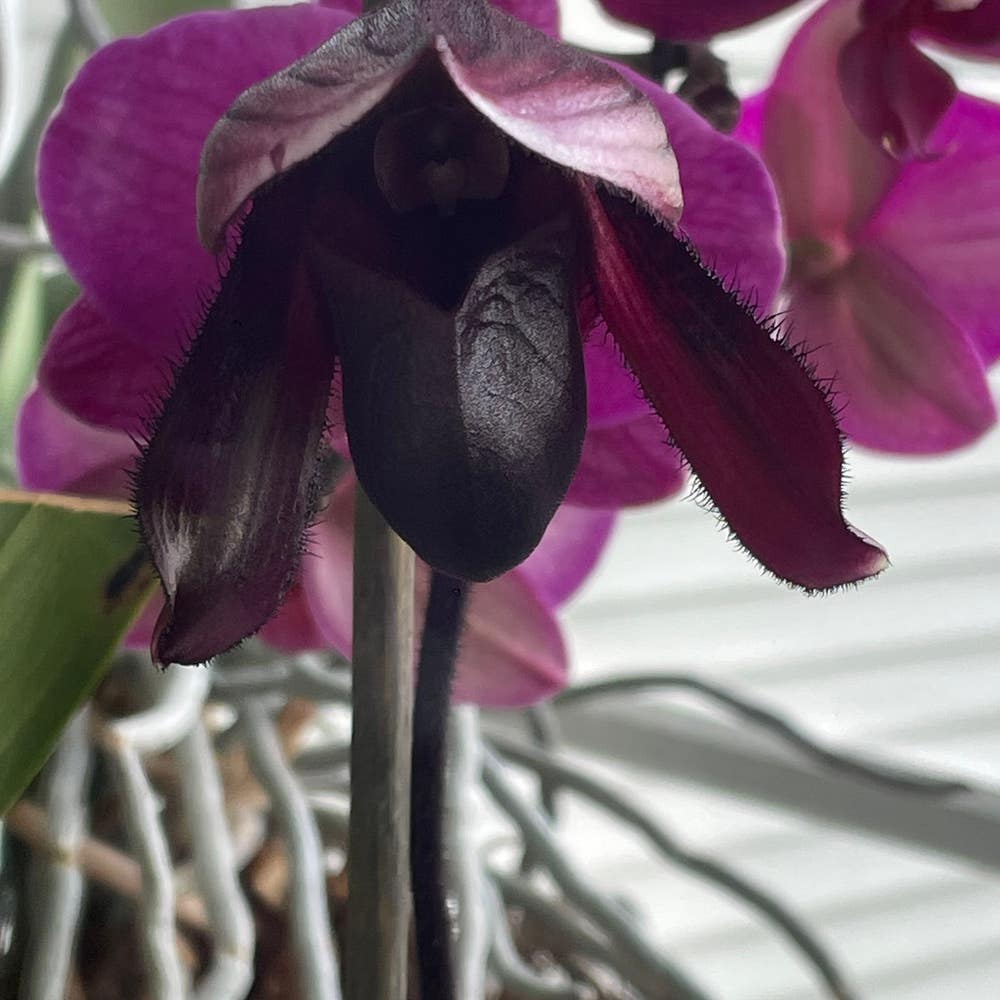
Paphiopedilum 'Maudiae Femma' stands out with its distinctive slipper-shaped flowers. These unique blooms not only add visual interest but also attract pollinators, enhancing garden biodiversity.
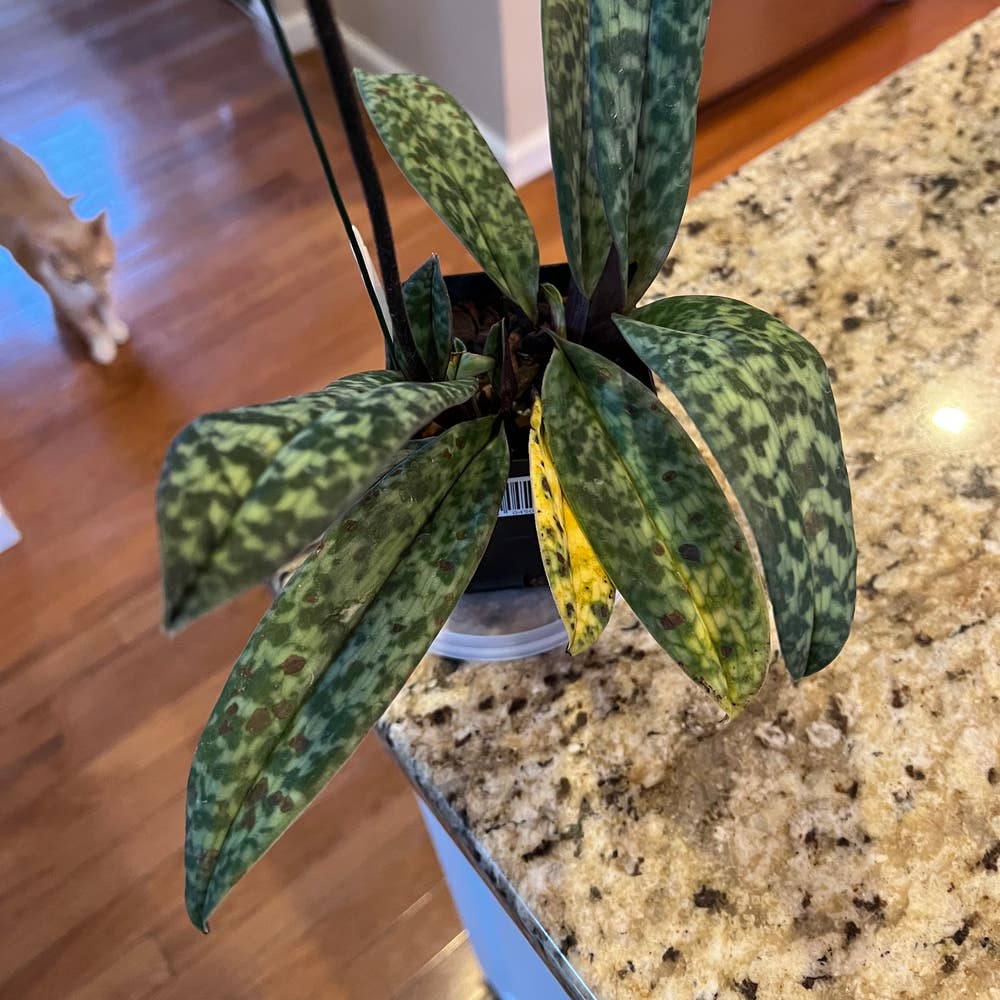
The mottled leaves of this orchid provide an appealing contrast to other plants. Its adaptability to various garden conditions makes it a favorite among gardeners looking for low-maintenance options.
In summary, while there are other non-invasive orchids, Paphiopedilum 'Maudiae Femma' offers unique aesthetics and adaptability that can elevate any garden space.
As we explore its ecological role next, you'll see how this orchid contributes positively to its environment.
Legal and Environmental Considerations
Relevant Classifications 🌍
When cultivating Paphiopedilum 'Maudiae Femma', it's essential to be aware of local regulations. Many regions have specific guidelines to ensure that non-invasive plants are promoted, helping to maintain ecological balance.
These regulations often focus on preventing the introduction of invasive species while encouraging the growth of beneficial plants like this orchid. Always check with local gardening authorities to stay informed.
Fit Within Sustainable Practices ♻️
Paphiopedilum 'Maudiae Femma' plays a vital role in promoting biodiversity. Its unique flowers attract pollinators, supporting local ecosystems and enhancing garden health.
To incorporate this orchid responsibly, consider these gardening practices:
- Choose Native Companions: Pair it with local flora to create a harmonious environment.
- Maintain Healthy Soil: Use organic matter to enrich the soil, benefiting both the orchid and surrounding plants.
- Practice Responsible Watering: Ensure proper moisture levels without overwatering, promoting a sustainable garden.
By following these recommendations, you can enjoy the beauty of Paphiopedilum 'Maudiae Femma' while contributing positively to your garden's ecosystem. This approach not only enhances your space but also supports the environment, making your gardening efforts truly rewarding.
As we explore the next section, we'll delve into how to effectively incorporate this stunning orchid into your garden design.
⚠️ Safety First
This content is for general information and may contain errors, omissions, or outdated details. It is not medical, veterinary advice, or an endorsement of therapeutic claims.
Always consult a qualified healthcare professional before using any plant as food, medicine, or supplement.
Never eat any plant (or feed one to pets) without confirming its identity with at least two trusted sources.
If you suspect poisoning, call Poison Control (800) 222-1222, the Pet Poison Helpline (800) 213-6680, or your local emergency service immediately.
Spotted an error? Please report it here.
Elevate your garden's beauty and biodiversity 🌼 with Paphiopedilum 'Maudiae Femma'—let Greg guide you with tailored care reminders to keep this stunning orchid thriving!