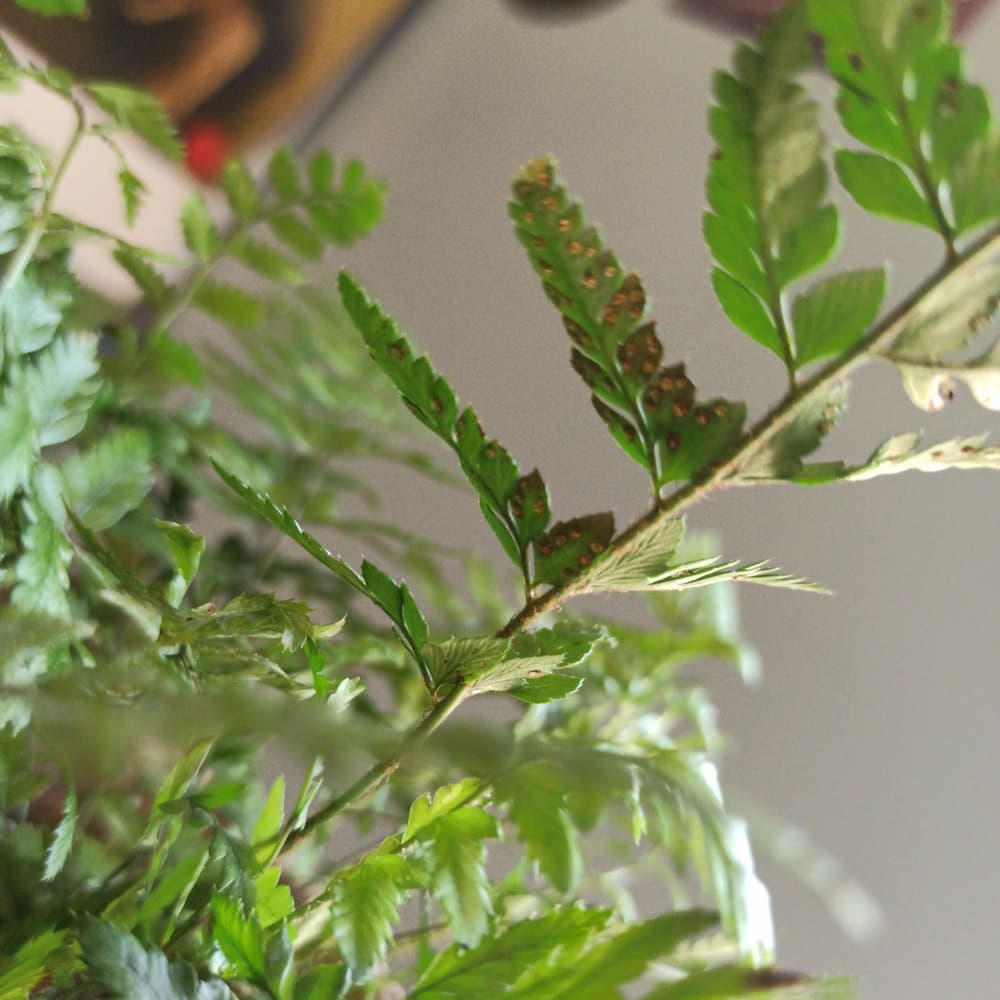
10 Factors for Optimal Leatherleaf Growth
Chamaedaphne calyculata
By the Greg Editorial Team
Sep 30, 2024•6 min read
This article was created with the help of AI so we can cover more plants for you. May contain errors. See one? Report it here.
Cultivate thriving leatherleaf plants 🌿 with expert tips on care, propagation, and overcoming common challenges!
- 🌳 Leatherleaf thrives in shade, perfect for dimly lit garden areas.
- 🌡️ Optimal temperatures for growth are between 15°C to 25°C (59°F to 77°F).
- 💧 High humidity (50%+) is crucial for mimicking leatherleaf's native habitat.
Ideal Growing Conditions
Light Requirements 🌞
Leatherleaf thrives in partial to full shade, making it perfect for those cozy, dimly lit corners of your garden. This optimal light exposure not only prevents leaf scorch but also promotes robust, healthy growth.
Temperature and Humidity Preferences 🌡️
For ideal growth, maintain temperatures between 15°C to 25°C (59°F to 77°F). Additionally, high humidity levels of 50% or more are crucial to mimic the plant's native habitats, ensuring it flourishes.
Space and Spacing Requirements 📏
When planting, aim for a spacing of 18-24 inches apart. This distance allows for optimal air circulation and growth, which is essential for healthy plants.
Container vs. Outdoor Planting
If you're growing in containers, keep in mind that closer spacing may be necessary due to limited soil volume. Outdoor plants benefit from more room to spread out, enhancing their overall health.
With these ideal growing conditions in mind, you’re well on your way to cultivating thriving leatherleaf plants. Next, let’s dive into soil preparation and planting techniques to set the stage for success.
Soil Preparation and Planting
🌱 Soil Preparation Techniques
To set your leatherleaf up for success, start with soil amendments. Incorporating organic matter like compost or peat moss enhances moisture retention, creating a nurturing environment for growth.
Next, focus on drainage considerations. Well-draining soil is crucial to prevent root rot, ensuring your plants thrive without drowning.
🌼 Best Practices for Planting
When planting, pay attention to depth. The crown of the plant should sit level with the soil surface to promote healthy growth.
Timing is also key. Spring or early fall are the best seasons for planting, allowing your leatherleaf to establish itself effectively.
📍 Choosing the Right Location
For outdoor growing, select a shaded area with moist, rich soil. This environment mimics the leatherleaf's natural habitat, promoting robust growth.
If you're opting for container growing, choose pots with drainage holes. A suitable potting mix will provide the right balance of nutrients and moisture for your plants.
With the right soil preparation and planting techniques, your leatherleaf will be well on its way to flourishing. Next, let’s explore how to effectively water and fertilize your plants for continued success.
Watering and Fertilizing
Watering Frequency and Techniques 🌊
Maintaining the right moisture level is crucial for leatherleaf growth. Aim to keep the soil consistently moist, but avoid waterlogging, which can lead to root rot.
To achieve even moisture distribution, consider using drip irrigation or a soaker hose. These methods deliver water directly to the roots, minimizing evaporation and ensuring your plants thrive.
Types of Fertilizers 🌱
When it comes to fertilizing, opt for balanced, slow-release fertilizers with equal NPK ratios. This ensures your leatherleaf receives the essential nutrients it needs for robust growth.
Timing is key; apply fertilizers in early spring and mid-summer. This schedule supports healthy growth cycles and prepares your plants for seasonal changes.
Signs of Overwatering or Underwatering 🚨
Recognizing the signs of overwatering is essential. Look for yellowing leaves and mushy roots, which indicate that your plant is drowning.
On the flip side, underwatering manifests as wilting and crispy leaf edges. Keeping an eye on these indicators will help you maintain optimal watering practices for your leatherleaf.
As you refine your watering and fertilizing techniques, you'll set the stage for healthy growth. Next, let’s explore pruning and maintenance to keep your plants in top shape.
Pruning and Maintenance
When and How to Prune 🌿
Pruning is essential for maintaining healthy leatherleaf plants. Aim to prune in late winter or early spring, just before new growth begins.
Remove any dead or damaged leaves to promote vitality. Additionally, thinning out crowded areas helps improve air circulation and overall plant health.
Ongoing Care Routines 🔍
Regular inspections are crucial during the growing season. Keep an eye out for pests and diseases that could threaten your plants.
Adjust your watering frequency based on seasonal changes. This ensures your leatherleaf remains hydrated without becoming waterlogged.
Seasonal Maintenance Tips 🌸
Spring is the perfect time to fertilize and prune your leatherleaf. This prepares the plant for robust new growth.
As fall approaches, focus on winter preparation. Mulching and reducing watering can help your plants withstand colder temperatures.
With these maintenance practices, your leatherleaf will thrive, setting the stage for the next section on common challenges and solutions.
Common Challenges and Solutions
🐛 Identifying and Managing Pests and Diseases
Leatherleaf plants can face several pests, including aphids, spider mites, and scale insects. To combat these nuisances, consider using neem oil or insecticidal soap, and don't hesitate to introduce beneficial insects like ladybugs to your garden.
🧐 Troubleshooting Growth Issues
If you notice yellowing leaves, it might be time to assess for nutrient deficiencies or overwatering. Stunted growth can signal root-bound conditions, especially in container plants, so check for adequate space.
🪴 Adapting Care for Container vs. Outdoor Growth
Container plants often require more frequent watering and fertilization due to their limited soil volume. In contrast, outdoor plants need careful monitoring for environmental stressors, such as drought or excessive rain, to thrive.
By staying vigilant and adapting your care strategies, you can overcome these common challenges and ensure your leatherleaf plants flourish. Next, let’s explore effective propagation techniques to expand your garden!
Propagation Techniques
Methods for Propagating 🌱
Propagation is a rewarding way to expand your leatherleaf collection. You can use two primary methods: cuttings and division.
- Cuttings: Take 4-6 inch cuttings from healthy stems. This method is straightforward and effective for creating new plants.
- Division: Separate established clumps during spring. This technique helps rejuvenate older plants while providing new ones.
Best Practices for Successful Propagation ✅
To ensure your propagation efforts succeed, follow these best practices.
- Rooting Hormone: Use a rooting hormone for cuttings to enhance root development. This step can significantly increase your chances of success.
- Moisture Levels: Maintain proper moisture levels during the rooting process. Consistent humidity is crucial for healthy root growth.
Timing and Conditions for Propagation ⏰
Timing is everything when it comes to propagation.
- Optimal Timing: Spring is the best season for both cuttings and division. The warmer temperatures encourage faster growth.
- Conditions: Create a warm, humid environment to encourage rooting. This setting mimics the leatherleaf's natural habitat, promoting successful propagation.
With these techniques and tips, you'll be well on your way to multiplying your leatherleaf plants. Next, let’s explore how to effectively care for your plants after propagation.
⚠️ Safety First
This content is for general information and may contain errors, omissions, or outdated details. It is not medical, veterinary advice, or an endorsement of therapeutic claims.
Always consult a qualified healthcare professional before using any plant as food, medicine, or supplement.
Never eat any plant (or feed one to pets) without confirming its identity with at least two trusted sources.
If you suspect poisoning, call Poison Control (800) 222-1222, the Pet Poison Helpline (800) 213-6680, or your local emergency service immediately.
Spotted an error? Please report it here.
Achieve optimal leatherleaf growth 🌱 by ensuring the right conditions and let Greg provide personalized watering reminders and expert care tips to help your plants thrive!