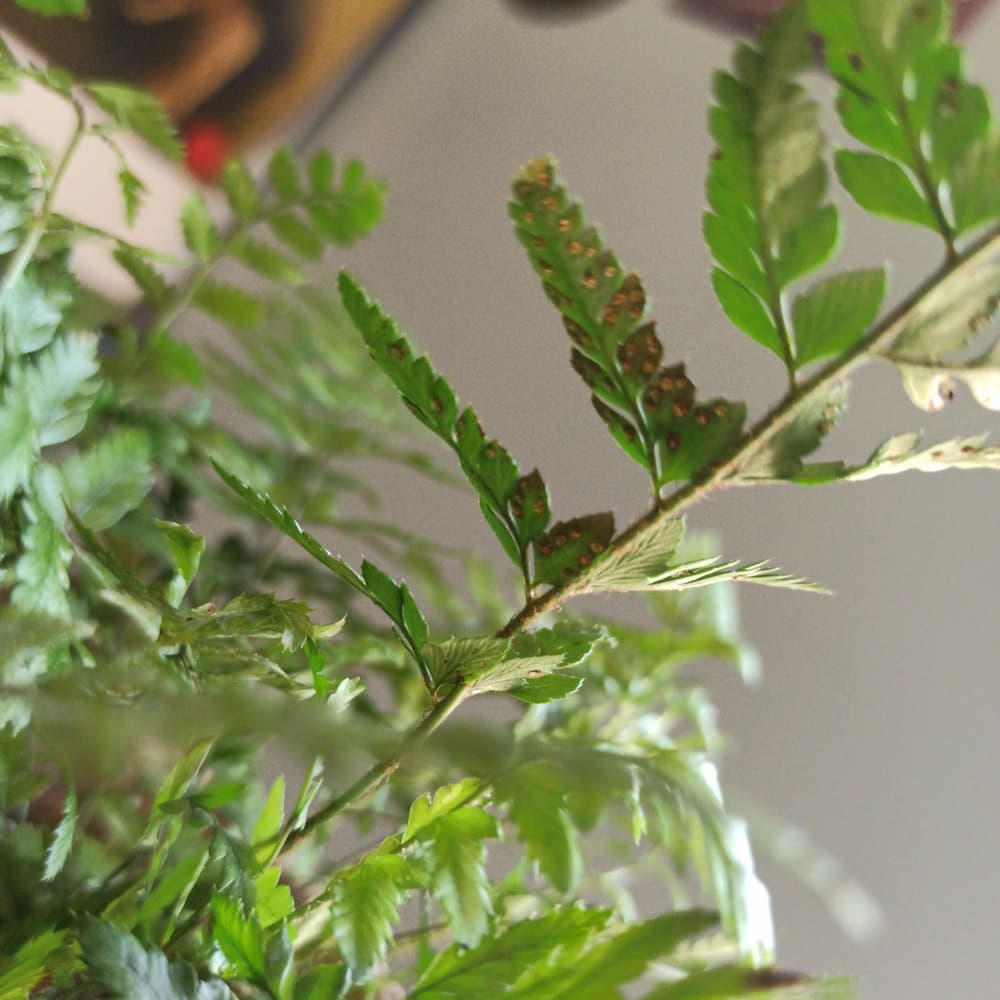
How Big Your Leatherleaf Tree Will Get
Chamaedaphne calyculata
By the Greg Editorial Team
Oct 15, 2024•5 min read
This article was created with the help of AI so we can cover more plants for you. May contain errors. See one? Report it here.
Transform your garden with a thriving Leatherleaf tree 🌳 by mastering its size and care essentials!
- 🌳 Leatherleaf trees grow 30-50 feet tall in optimal conditions; plan your space wisely.
- 🌞 Full sun to partial shade is essential for healthy growth; avoid stunted trees.
- ⏳ Expect 10-20 years for full size; patience is key in cultivation.
Mature Height and Spread
Height 🌳
The leatherleaf tree typically reaches a height of 30 to 50 feet when grown under optimal conditions. Factors such as soil quality, sunlight, and climate play a crucial role in determining how tall your tree will grow.
Spread 🌿
In terms of spread, you can expect a range of 20 to 30 feet. Understanding this spread is vital for effective landscaping and space planning, ensuring your tree has enough room to thrive.
Growth Rate and Time to Full Size ⏳
The average growth rate of leatherleaf trees is moderate to fast, depending on their environment. Generally, it takes about 10 to 20 years for these trees to reach their full size, although growth rates can vary significantly based on external factors.
This knowledge about height, spread, and growth rate sets the stage for understanding the various factors that influence the size of your leatherleaf tree. Let's dive into those next!
Factors Affecting Size
Soil Quality and Type 🌱
The ideal soil for a Leatherleaf Tree is moist, well-drained, and rich in organic matter. Poor soil quality can stunt growth and limit the tree's size, leading to a less vibrant landscape.
Sunlight Exposure ☀️
Leatherleaf Trees thrive in full sun to partial shade. Insufficient sunlight can hinder their height and spread, resulting in a less robust tree.
Watering Practices 💧
Consistent watering is crucial for healthy growth. Both overwatering and underwatering can negatively impact size and overall health, so finding the right balance is key.
Climate Considerations 🌍
These trees prefer temperate climates, which support their growth. Extreme temperatures can significantly influence their growth rate and size variability, making climate a vital factor in their development.
Understanding these factors can help you create the perfect environment for your Leatherleaf Tree, ensuring it reaches its full potential. Next, let’s explore the various varieties available, from dwarf to giant options.
Varieties
Dwarf Varieties 🌱
Dwarf leatherleaf trees typically reach heights of 10-15 feet. These compact beauties are perfect for smaller gardens or limited spaces, allowing you to enjoy their lush foliage without overwhelming your landscape.
Giant Varieties 🌳
On the other end of the spectrum, giant leatherleaf trees can exceed 50 feet in height. They make a bold statement in large landscapes, serving as focal points that draw the eye and inspire awe.
Specific Varieties
When choosing between dwarf and giant varieties, consider options like the 'Mini Leatherleaf' for smaller spaces or the majestic 'Giant Leatherleaf' for expansive gardens. Each variety offers unique characteristics that cater to different landscaping needs, ensuring there's a perfect fit for every garden enthusiast.
Understanding these varieties helps you make informed decisions about your garden's design. Whether you opt for a dwarf or a giant, both can enhance your outdoor space beautifully.
Next, let’s explore how to control the size of your leatherleaf tree to fit your vision.
Controlling Size
Controlling the size of your Leatherleaf tree is essential for maintaining its health and ensuring it fits well within your landscape. Here are some effective strategies to manage its growth.
✂️ Pruning Techniques
Pruning is a key method for controlling the size of your Leatherleaf tree. The best time to prune is during late winter or early spring, just before new growth begins.
Use sharp, clean tools like bypass pruners or loppers for effective cuts. This helps prevent damage and disease, allowing the tree to heal quickly.
Regular pruning influences not just the size but also the overall shape of the tree. By removing dead or overcrowded branches, you encourage a more balanced growth pattern.
🌱 Other Methods to Control Growth
In addition to pruning, growth regulators can be beneficial. These substances can slow down growth when applied correctly, especially in young trees.
Consider strategic planting locations to limit size. Planting in areas with less sunlight or in smaller spaces can naturally restrict growth.
Companion planting is another effective strategy. By planting smaller species nearby, you can create a natural limit to the Leatherleaf tree's expansion, promoting a harmonious garden environment.
Understanding these methods will empower you to cultivate a Leatherleaf tree that fits perfectly in your landscape while maintaining its health and beauty.
Next, let’s explore the fascinating varieties of Leatherleaf trees available, including both dwarf and giant options.
Common Misconceptions
🌳 Myths about Size
One common misconception about Leatherleaf Trees is that they will always reach their maximum height. In reality, their size can vary significantly based on environmental conditions.
Factors such as soil quality, sunlight, and climate play crucial roles in determining how tall a Leatherleaf Tree will grow. So, while some may soar to impressive heights, others may not reach their full potential.
📏 Clarifying Growth Expectations
It's essential to set realistic expectations for your Leatherleaf Tree's growth. With proper care and the right environment, these trees can thrive, but they won't all grow to towering heights.
Understanding the specific needs of your tree—like soil type and watering practices—can make a big difference in its overall health and size. By nurturing your tree according to its individual requirements, you can help it flourish beautifully.
As you consider planting a Leatherleaf Tree, remember that patience and attention to detail will yield the best results. This knowledge will empower you to create a thriving landscape that showcases the unique beauty of your tree.
⚠️ Safety First
This content is for general information and may contain errors, omissions, or outdated details. It is not medical, veterinary advice, or an endorsement of therapeutic claims.
Always consult a qualified healthcare professional before using any plant as food, medicine, or supplement.
Never eat any plant (or feed one to pets) without confirming its identity with at least two trusted sources.
If you suspect poisoning, call Poison Control (800) 222-1222, the Pet Poison Helpline (800) 213-6680, or your local emergency service immediately.
Spotted an error? Please report it here.
Nurture your leatherleaf tree to its maximum height 🌱 with Greg's tailored watering alerts and soil care tips, ensuring it thrives beautifully in your garden!