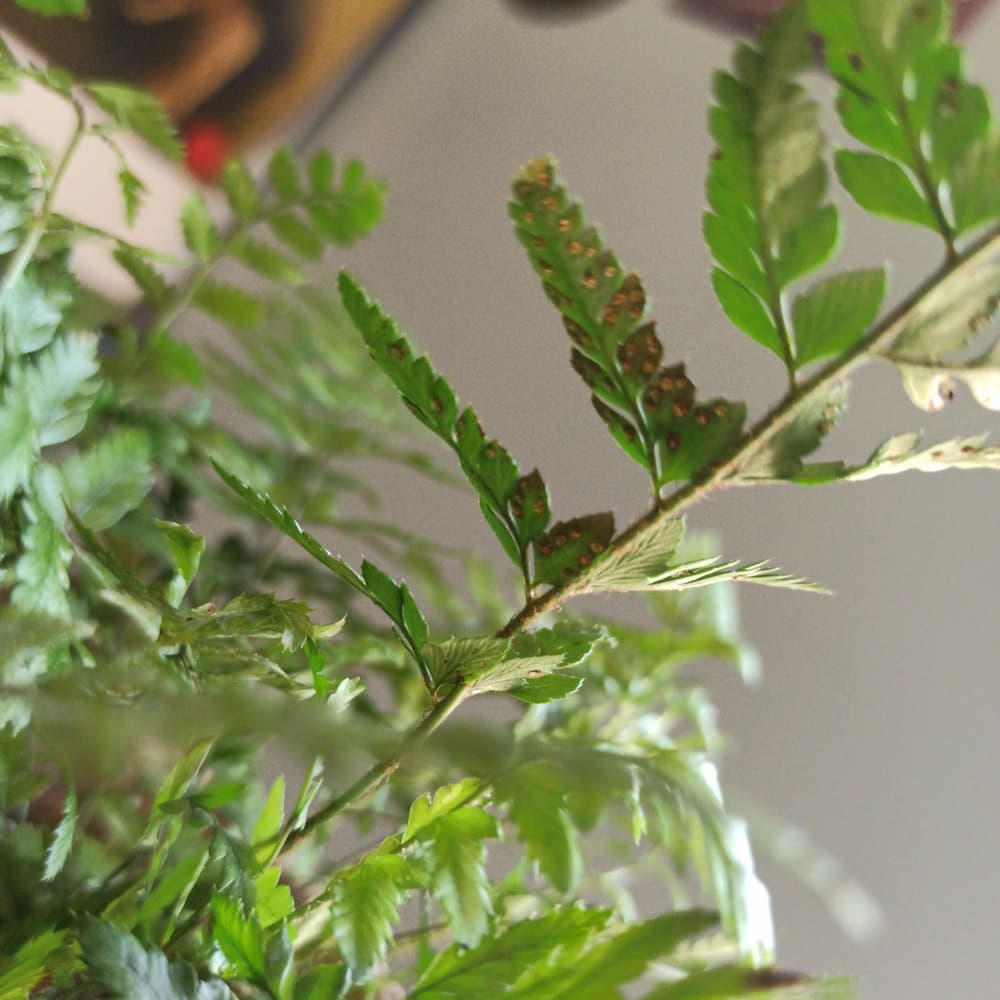
Light Requirements For Your Leatherleaf Tree 🐄
Chamaedaphne calyculata
By the Greg Editorial Team
Oct 15, 2024•5 min read
This article was created with the help of AI so we can cover more plants for you. May contain errors. See one? Report it here.
Transform your Leatherleaf tree's health 🌱 by mastering light exposure for vibrant growth and stunning blooms!
- 🌞 Leatherleaf trees thrive on 12-16 hours of light daily for optimal growth.
- 💡 Bright indirect light is best for healthy indoor foliage and flowering.
- 🌍 Seasonal and geographic factors influence light needs; adjust accordingly for health.
Importance of Light for Growth
🌞 Types of Light
Natural Light
Natural light is crucial for the growth of your Leatherleaf tree. Sunlight not only enhances growth but also mimics the tree's natural habitat, allowing it to thrive.
Light conditions can vary significantly based on seasons and geographic location. This variability means that your tree may need adjustments in care depending on where you live and the time of year.
Artificial Light
For indoor growth, artificial lighting can be a game-changer. Options like LED and fluorescent lights can effectively supplement natural light, ensuring your Leatherleaf tree gets the brightness it needs.
When comparing natural and artificial light, it's essential to consider intensity and spectrum. While natural light is often more beneficial, artificial options can provide a reliable alternative, especially during darker months.
Understanding these light types will help you create the ideal environment for your Leatherleaf tree, setting the stage for healthy growth and vibrant foliage.
Ideal Light Conditions for Indoor Growth
Optimal Light Exposure 🌞
For your leatherleaf tree, bright indirect light is the gold standard. This type of light helps maintain lush, healthy foliage, mimicking the tree's natural habitat.
However, leatherleaf trees can tolerate low light conditions. While they may survive, growth can slow, and the leaves might lose their vibrant color.
Light Intensity and Duration 💡
When it comes to light intensity, aim for a measurement between 1,000 to 2,000 foot-candles or 10,000 to 20,000 lux. This range ensures your tree receives enough energy for robust growth.
Additionally, your leatherleaf tree needs about 12 to 16 hours of light exposure daily. This duration helps replicate the natural cycle, promoting overall health and vitality.
By providing the right light conditions, you set the stage for a thriving indoor leatherleaf tree. Next, let’s explore the ideal light conditions for outdoor growth.
Ideal Light Conditions for Outdoor Growth
Sunlight Exposure 🌞
For your leatherleaf tree to thrive, it needs full sun exposure. Aim for 6-8 hours of direct sunlight each day to ensure robust growth and vibrant foliage.
Partial shade is also an option. While leatherleaf trees can tolerate some shade, it may affect their growth rate and overall health.
Seasonal Considerations 🍂
As the seasons change, so should your approach to light exposure. In winter, for instance, the sun's angle shifts, which can reduce the amount of light your tree receives.
Keep an eye out for signs of stress, such as yellowing leaves or stunted growth. These can indicate either too much or too little light, prompting you to adjust its placement accordingly.
With the right light conditions, your leatherleaf tree can flourish beautifully outdoors, setting the stage for a vibrant garden.
Leatherleaf Tree and Flowering
Conditions for Flowering 🌼
To encourage your Leatherleaf tree to bloom, understanding its light requirements is crucial. Both indoor and outdoor settings demand specific light intensity and duration to promote healthy flowering.
For indoor growth, your tree thrives best under bright, indirect light. This mimics its natural habitat and ensures the foliage remains lush, setting the stage for potential blooms.
Outdoors, the Leatherleaf tree needs ample sunlight to flower effectively. Aim for at least 6-8 hours of direct sunlight daily to stimulate robust growth and flowering.
Importance of Light Intensity and Duration 💡
Light intensity plays a vital role in the flowering process. Adequate light levels, measured in foot-candles or lux, are essential for triggering the blooming cycle.
Duration is equally important; aim for 12-16 hours of light exposure each day. This consistent light schedule helps your tree understand when it's time to flower, leading to a more vibrant display.
By ensuring your Leatherleaf tree receives the right light conditions, you set the foundation for a stunning floral show. Next, let’s explore how to effectively use grow lights to enhance growth and flowering in various environments.
Using Grow Lights
🌟 Benefits of Grow Lights
Grow lights are a game changer for enhancing growth in low-light conditions. They provide essential supplemental lighting that can significantly boost your leatherleaf tree's health and vitality.
Additionally, these lights play a crucial role in promoting flowering. By controlling light exposure, you can encourage your plant to bloom beautifully, even in less-than-ideal natural conditions.
💡 Types of Grow Lights Suitable
When it comes to grow lights, LED options are a top choice. They are energy-efficient and offer a spectrum that suits plant growth perfectly.
Fluorescent lights are another option, though they come with their own set of benefits and limitations. While they can be effective, they may not provide the same intensity as LEDs, making them less ideal for all situations.
📏 Placement and Duration
Optimal placement of grow lights is key to maximizing their effectiveness. Position them at the right distance from your plant and adjust the angle to ensure even light distribution.
For best results, aim for a duration of 12-16 hours of light exposure daily. This mimics natural conditions and supports your leatherleaf tree's growth and flowering needs.
By understanding how to effectively use grow lights, you can create an ideal environment for your leatherleaf tree, ensuring it thrives both indoors and outdoors. Next, let’s explore the specific light conditions that promote flowering in your plant.
⚠️ Safety First
This content is for general information and may contain errors, omissions, or outdated details. It is not medical, veterinary advice, or an endorsement of therapeutic claims.
Always consult a qualified healthcare professional before using any plant as food, medicine, or supplement.
Never eat any plant (or feed one to pets) without confirming its identity with at least two trusted sources.
If you suspect poisoning, call Poison Control (800) 222-1222, the Pet Poison Helpline (800) 213-6680, or your local emergency service immediately.
Spotted an error? Please report it here.
Ensure your Leatherleaf tree thrives with optimal light by using Greg's personalized care reminders to create the perfect environment for growth! 🌞