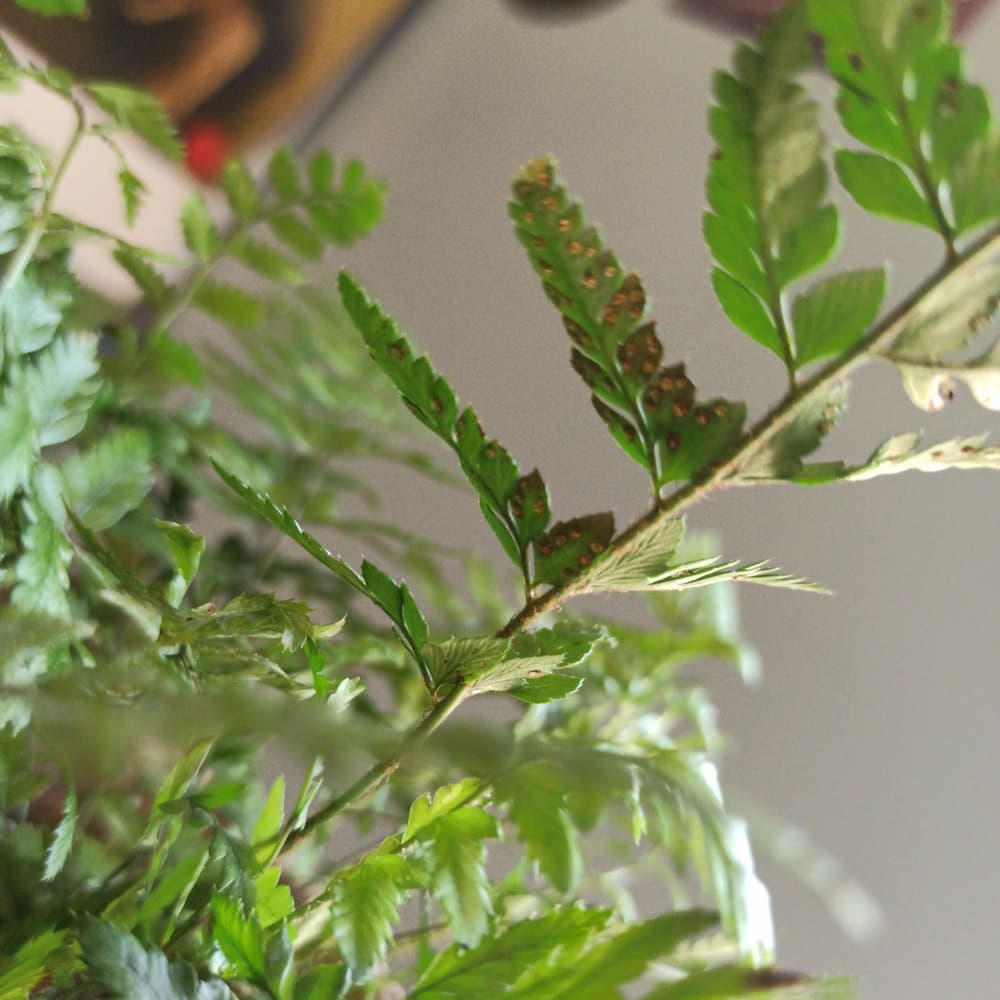
🌳 3 Winter Threats to Your Leatherleaf Tree
Chamaedaphne calyculata
By the Greg Editorial Team
Oct 15, 2024•4 min read
This article was created with the help of AI so we can cover more plants for you. May contain errors. See one? Report it here.
Protect your leatherleaf tree this winter with essential tips for frost and indoor care! 🌱❄️
- ❄️ Shield your leatherleaf tree from frost using cloths or blankets for protection.
- 🌱 Mulch around the base to insulate roots and retain moisture during winter.
- 📅 Monitor weather forecasts for frost warnings to act quickly and protect your tree.
Winter Care Strategies
Protecting from frost ❄️
Frost can be a sneaky enemy for your leatherleaf tree. To shield it from cold snaps, consider using frost cloths or blankets, which provide a protective layer against harsh temperatures.
Mulching around the base is another effective method, as it insulates the roots and helps retain moisture. Additionally, placing windbreaks strategically can reduce exposure to chilling winds, offering your tree a much-needed buffer.
Timing is crucial for frost protection. Keep an eye on local weather forecasts for frost warnings, so you can act promptly and safeguard your tree.
Adjusting watering schedules 💧
During winter, it's essential to adjust your watering routine. Overwatering can lead to root rot, a common issue when the tree is dormant.
Aim to water every 4-6 weeks, depending on the soil moisture levels. A moisture meter can be a handy tool, or you can simply use the finger test to check if your tree needs a drink.
Fertilizing considerations 🌱
When it comes to fertilizing your leatherleaf tree in winter, the general rule is to hold off during dormancy. This helps prevent unnecessary stress on the tree.
However, if you notice any signs of growth, a light application of slow-release fertilizer can be beneficial. Maintaining a nutrient balance is vital for ensuring your tree is ready to thrive come spring.
As you prepare for the upcoming season, remember that these winter care strategies lay the groundwork for a healthy, vibrant leatherleaf tree. Next, we’ll explore how to provide indoor care during the colder months.
Indoor Winter Care
When to bring indoors 🌨️
As winter approaches, it's crucial to know when to transition your leatherleaf tree indoors. Look for consistent nighttime temperatures dipping below 20°F (-6°C) and extended periods of snow cover or ice.
Timing is key; aim to bring your tree inside in late fall, ideally before the first hard frost hits. This proactive step helps protect your tree from harsh winter conditions.
Ideal indoor conditions 🌱
Once indoors, your leatherleaf tree needs the right environment to thrive. Maintain a temperature range of 60°F to 70°F (15°C to 21°C) for optimal growth.
Humidity is another critical factor. Keep levels above 40% to prevent stress on the tree. Additionally, place your tree near a south-facing window to ensure it receives adequate sunlight throughout the day.
By providing these ideal indoor conditions, you set your leatherleaf tree up for a healthy winter and a vibrant spring. Transitioning to spring care will be seamless with the right preparation.
Spring Preparation
Signs of recovery from winter damage 🌱
As spring approaches, keep an eye out for signs that your leatherleaf tree is bouncing back. Look for new leaf buds and vibrant foliage color, which indicate health and vitality.
Conversely, browning leaves and stunted growth are red flags that your tree may have suffered during the winter. Typically, you can expect to see recovery within 2-4 weeks after temperatures rise.
Preparing for spring growth 🌼
Once you confirm your tree is recovering, it’s time to prepare for the growing season. Start by pruning any dead or damaged branches to encourage new growth and improve overall health.
Next, apply a balanced fertilizer as new growth appears. This will provide essential nutrients that your tree needs to thrive.
Finally, adjust your watering schedule. Gradually increase the frequency as temperatures rise, ensuring your leatherleaf tree gets the hydration it needs without the risk of overwatering.
With these steps, you’ll set your leatherleaf tree up for a successful spring and summer. Now, let’s explore how to identify and address common winter problems and their solutions.
Common Winter Problems and Solutions
❄️ Identifying and Addressing Frost Damage
Frost can wreak havoc on your leatherleaf tree, leading to symptoms like wilting leaves and discoloration. If you notice these signs, it's crucial to act quickly.
Pruning damaged areas is a key recovery strategy. This encourages new growth and helps the tree bounce back stronger.
Applying protective mulch around the base can also support root health. It insulates the roots and retains moisture, giving your tree a fighting chance against winter's chill.
🐜 Managing Pests During Winter
Winter isn't just tough on trees; pests like scale insects and spider mites can thrive in the cold. Regular inspections during these months are essential for early detection.
Using horticultural oils can suffocate these pests effectively. A light spray can create a barrier that keeps them at bay.
If you do find an infestation, treatment options like neem oil or insecticidal soap can help. These solutions are effective and can restore your tree's health without harsh chemicals.
By staying vigilant and proactive, you can protect your leatherleaf tree from both frost damage and pests this winter. Next, let’s explore how to prepare your tree for the vibrant growth of spring.
⚠️ Safety First
This content is for general information and may contain errors, omissions, or outdated details. It is not medical, veterinary advice, or an endorsement of therapeutic claims.
Always consult a qualified healthcare professional before using any plant as food, medicine, or supplement.
Never eat any plant (or feed one to pets) without confirming its identity with at least two trusted sources.
If you suspect poisoning, call Poison Control (800) 222-1222, the Pet Poison Helpline (800) 213-6680, or your local emergency service immediately.
Spotted an error? Please report it here.
Keep your leatherleaf tree thriving this winter ❄️ with Greg's tailored care reminders and moisture checks, ensuring it's ready to flourish come spring!