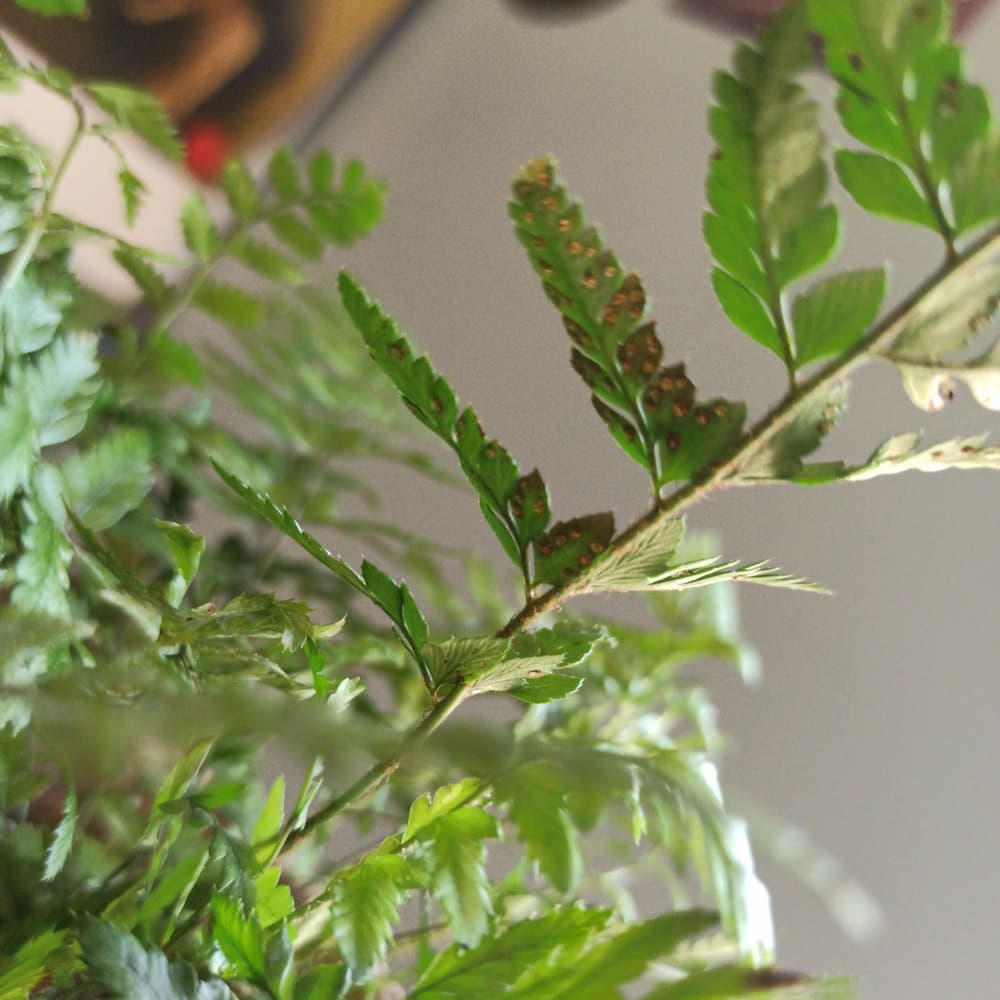
🌳 Leatherleaf Tree Roots 101
Chamaedaphne calyculata
By the Greg Editorial Team
Oct 15, 2024•6 min read
This article was created with the help of AI so we can cover more plants for you. May contain errors. See one? Report it here.
Master Leatherleaf Tree roots 🌳 for thriving growth and health—your garden will thank you!
- 🌳 Leatherleaf Trees have a taproot system, ensuring stability and drought resistance.
- 💧 Deep watering every 1-2 weeks promotes robust root growth and health.
- ⚠️ Prevent root rot by ensuring well-draining soil and consistent watering practices.
Type of Root System Characteristics
🌳 Taproot vs Fibrous Roots
The Leatherleaf Tree features a taproot system, characterized by a thick, deep root that anchors the tree firmly in the soil. This deep anchorage provides stability and allows the tree to access moisture from deeper soil layers, which is crucial during dry spells.
In contrast, fibrous roots spread out horizontally near the surface. While they can absorb moisture efficiently from light rains, they may struggle in drought conditions. Each system has its advantages: taproots offer stability and drought resistance, while fibrous roots can quickly absorb surface water but may be more susceptible to drying out.
🔍 Specific Characteristics of the Root System
The root structure of the Leatherleaf Tree consists of a robust taproot complemented by lateral roots. This design not only enhances stability but also allows the tree to adapt to various soil types, making it versatile in different environments.
However, the tree's roots are sensitive to overwatering. Excess moisture can lead to root rot, which can severely impact the tree's health. Proper care and monitoring of soil moisture levels are essential for maintaining a thriving Leatherleaf Tree.
Understanding these root characteristics is vital for effective care and ensuring the tree's long-term health. As we move forward, we'll explore how these roots influence watering and fertilizing practices.
Root Depth and Spread
Growth Patterns of Roots 🌱
The Leatherleaf Tree typically develops a root depth of 2-3 feet (60-90 cm) under optimal conditions. Its lateral roots can extend impressively, reaching 3-4 feet (90-120 cm) from the trunk.
Factors Influencing Root Depth and Spread 🌍
Several factors influence how deep and wide these roots grow.
- Soil Composition and Drainage: Well-draining soil promotes healthy root expansion, while compacted or clay-heavy soils can restrict growth.
- Environmental Factors: Moisture availability and temperature play crucial roles in root development.
- Surrounding Plants: Competition for nutrients from nearby plants can also affect root spread and health.
Understanding these dynamics is essential for nurturing a thriving Leatherleaf Tree. With the right conditions, you can ensure robust root growth that supports the overall health of your plant.
Watering and Fertilizing
🌱 How Root System Affects Watering Needs
Deep watering is crucial for the Leatherleaf Tree, as it encourages the development of a robust taproot. This deep anchorage allows the tree to access moisture from deeper soil layers, promoting overall health and stability.
For optimal growth, aim to water every 1-2 weeks, adjusting based on the soil's moisture level. This frequency helps ensure that the roots receive adequate hydration without becoming waterlogged.
🧪 Fertilization Techniques Tailored to Root Health
Choosing the right fertilizer is key to supporting the Leatherleaf Tree's root system. Look for balanced fertilizers that provide essential nutrients, such as nitrogen, phosphorus, and potassium.
Timing is everything when it comes to fertilization. Apply fertilizers in early spring and again in mid-summer to align with the tree's growth cycles. Be cautious, though—over-fertilization can lead to root burn, which can severely damage your plant.
By understanding how to water and fertilize effectively, you can nurture a thriving Leatherleaf Tree. Next, let’s explore common root-related issues and how to tackle them.
Common Root-Related Issues
🕵️ Identifying Root Rot and Other Problems
Root rot can be a sneaky adversary for your Leatherleaf Tree. Look for symptoms like yellowing leaves and wilting, even when you're watering adequately.
Pests can also wreak havoc on roots, leading to nutrient deficiencies. Keep an eye out for any unusual signs that might indicate your plant is struggling.
🛠️ Solutions and Prevention Tips
Preventing root rot starts with ensuring well-draining soil. This simple step can make a world of difference.
Monitoring your watering practices is equally crucial. Overwatering is often the culprit behind root issues, so stick to a consistent schedule.
If you do find yourself dealing with affected roots, don’t panic. Begin by removing any rotten roots and repotting the plant in fresh, dry soil. This can help rejuvenate your Leatherleaf Tree and set it back on the path to health.
Understanding these common root-related issues will empower you to keep your plant thriving. Next, let’s explore how to assess root health indicators effectively.
Root Health Indicators
👀 Visual Cues of Healthy vs Unhealthy Roots
Healthy roots are a sight to behold. They appear white, firm, and moist, indicating a thriving plant.
In contrast, unhealthy roots show distress. Look for brown, mushy textures and foul smells, which signal serious problems that need immediate attention.
🌱 Importance of Root Health for Overall Plant Resilience
Root health is crucial for plant vigor. Strong roots support robust growth and overall vitality.
Moreover, healthy roots enhance a plant's ability to withstand stressors like drought, pests, and diseases. Investing in root care pays off in a resilient, flourishing plant.
Understanding these indicators can empower you to take proactive steps in plant care. With this knowledge, you can ensure your Leatherleaf Tree remains healthy and vibrant, ready to face any challenges ahead.
Next, let’s explore the common root-related issues that can arise and how to tackle them effectively.
Rootbound Plants
Definition and Signs of Rootbound Conditions 🌱
Rootbound plants occur when roots circle the pot, leading to stunted growth. You might notice roots emerging from drainage holes, signaling that your plant is cramped and needs attention.
When and How to Address Rootbound Issues 🛠️
Intervene when you see growth slowing or becoming stagnant.
- Carefully remove the plant from its pot.
- Trim circling roots to encourage new growth.
- Repot in a larger container with fresh soil.
Addressing rootbound conditions not only revitalizes your plant but also enhances its overall health. Understanding these signs and taking timely action can make a significant difference in your plant's vitality.
As we move forward, let’s explore the importance of root health in propagation and division.
Propagation and Division
Importance of Root Health in Propagation 🌱
Healthy roots are crucial for successful propagation. They provide the necessary nutrients and stability for new growth, ensuring that your Leatherleaf Tree thrives.
Timing is also key. The best periods for propagation are spring or early summer when the plant is actively growing.
Techniques for Dividing ✂️
Dividing your Leatherleaf Tree can rejuvenate it and promote healthy growth. Follow these steps for effective division:
- Water the plant a day before division to ease the process.
- Carefully separate the root ball into sections, ensuring minimal damage.
- Check that each section has healthy roots and shoots for optimal recovery.
- Replant immediately in suitable soil conditions to minimize stress.
After division, proper aftercare is essential. Keep the soil consistently moist but not soggy, and provide indirect sunlight to help the plant adjust.
Conclusion 📚
Understanding the importance of root health in propagation is vital for a thriving Leatherleaf Tree. By following the right techniques and providing proper care, you can ensure your plant not only survives but flourishes. This knowledge empowers you to nurture your plants effectively, fostering a vibrant garden.
⚠️ Safety First
This content is for general information and may contain errors, omissions, or outdated details. It is not medical, veterinary advice, or an endorsement of therapeutic claims.
Always consult a qualified healthcare professional before using any plant as food, medicine, or supplement.
Never eat any plant (or feed one to pets) without confirming its identity with at least two trusted sources.
If you suspect poisoning, call Poison Control (800) 222-1222, the Pet Poison Helpline (800) 213-6680, or your local emergency service immediately.
Spotted an error? Please report it here.
Nurture your Leatherleaf Tree's roots for vibrant growth 🌳 by using Greg's personalized watering alerts and expert tips to keep root rot at bay!