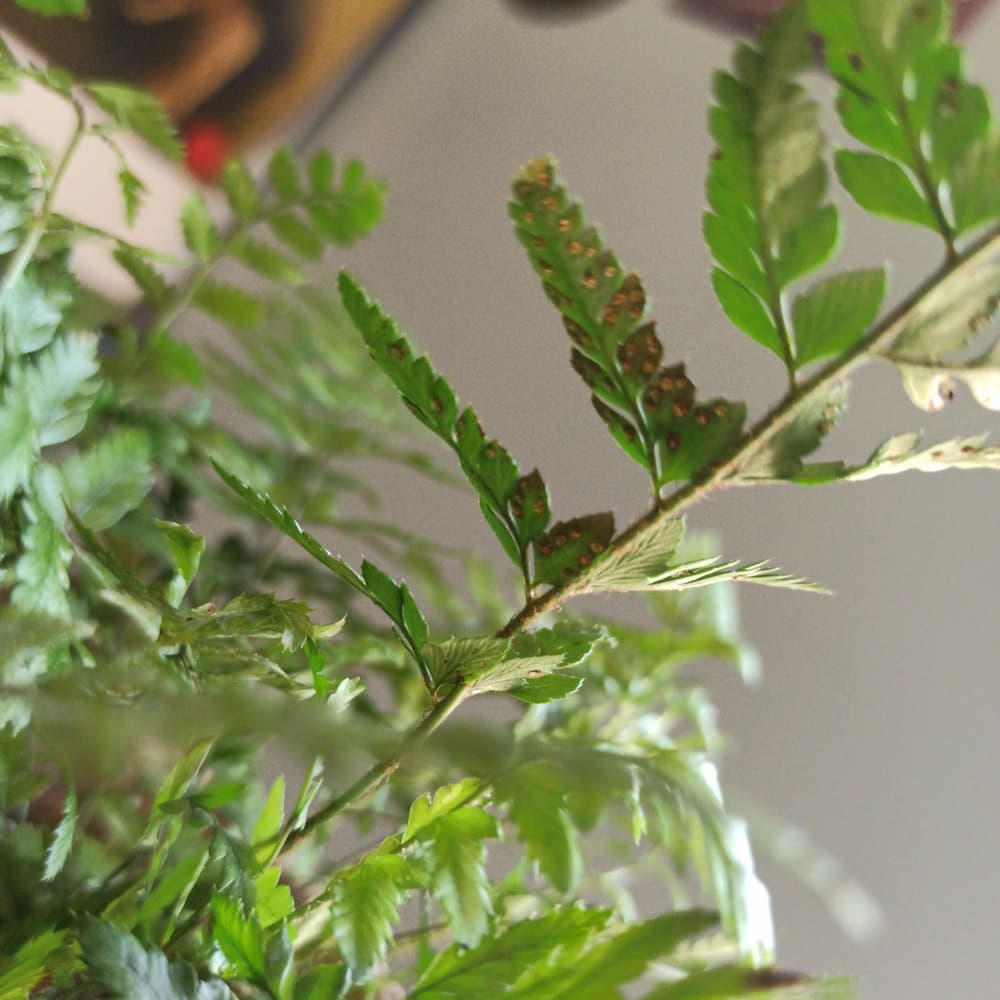
🌳 Why Your Leatherleaf Tree Leaves Are Dropping
Chamaedaphne calyculata
By the Greg Editorial Team
Oct 15, 2024•6 min read
This article was created with the help of AI so we can cover more plants for you. May contain errors. See one? Report it here.
Transform your Leatherleaf Tree's health 🌱 by learning to diagnose and prevent leaf drop effectively!
- 🍃 Leaf drop signals stress; check for discoloration or texture changes.
- 💧 Yellowing indicates nutrient deficiencies; adjust watering and fertilization accordingly.
- 🌞 Bright, indirect light is essential; ensure your Leatherleaf Tree gets enough exposure.
Diagnosing Leaf Drop
🧐 Identifying Symptoms of Stress
Recognizing stress in your Leatherleaf Tree is crucial for its health. Look for leaf discoloration; yellowing often indicates nutrient deficiencies, while browning can signal overwatering or sunburn.
Another sign to watch for is leaf texture changes. A glossy appearance usually means your tree is thriving, whereas a dull look may suggest it’s struggling.
💧 Assessing Soil Moisture Levels
Understanding soil moisture is vital for your tree's well-being. Start with the finger test: insert your finger about an inch into the soil. If it feels dry, it’s time to water.
For a more precise measurement, consider using soil moisture meters. These tools can help you determine when to water, especially during fluctuating weather conditions.
🐛 Checking for Pests and Diseases
Pests and diseases can wreak havoc on your Leatherleaf Tree. Conduct visual checks regularly, looking closely at leaves and stems for any unwanted visitors.
Also, be on the lookout for signs of disease. Fungal growth and leaf spots can indicate underlying issues that need immediate attention.
🌤️ Evaluating Environmental Conditions
Environmental factors play a significant role in your tree's health. Start by measuring light exposure; Leatherleaf Trees thrive in bright, indirect light.
Humidity levels are equally important. Use tools like hygrometers to monitor humidity and make adjustments as needed to create a comfortable environment for your tree.
By diagnosing these aspects, you can take proactive steps to ensure your Leatherleaf Tree remains healthy and vibrant. Next, we’ll explore how to prevent leaf drop effectively.
Preventing Leaf Drop
💧 Proper Watering Techniques
Watering your Leatherleaf Tree correctly is crucial for its health.
Frequency: Adjust your watering schedule based on the season; during warmer months, aim for more frequent watering, while in cooler months, reduce it.
Techniques: Focus on deep watering to encourage root growth rather than just surface watering, which can lead to shallow roots.
🌱 Soil and Drainage Recommendations
Soil composition plays a significant role in preventing leaf drop.
Recommended Soil Types: Use well-draining mixes to ensure excess water can escape, preventing root rot.
Drainage Solutions: Choose pots with adequate drainage holes to facilitate proper water flow and avoid waterlogging.
🌬️ Maintaining Optimal Humidity Levels
Humidity is vital for the well-being of your Leatherleaf Tree.
Humidifiers: Consider using a humidifier, especially in dry environments, to maintain consistent moisture levels.
Pebble Trays: Create DIY humidity solutions by placing your pot on a tray filled with pebbles and water, allowing evaporation to increase humidity around the plant.
🔍 Regular Monitoring for Pests and Diseases
Keeping an eye on your plant can save it from serious issues.
Routine Inspections: Conduct regular checks for pests and diseases, focusing on the undersides of leaves and stems.
Early Intervention: Address any problems promptly to prevent them from escalating, ensuring your Leatherleaf Tree remains healthy and vibrant.
By implementing these preventive measures, you can significantly reduce the risk of leaf drop and promote a thriving environment for your Leatherleaf Tree. Next, let’s explore effective methods for treating leaf drop when it occurs.
Treating Leaf Drop
Step-by-Step Guide to Addressing Overwatering 🌊
Identify Symptoms of Overwatering
Look for yellowing leaves, wilting, or a mushy stem. These are clear indicators that your Leatherleaf Tree is drowning.Assess Soil Moisture and Drainage
Stick your finger into the soil about an inch deep. If it feels soggy, it’s time to take action.Adjust Watering Schedule
Cut back on watering frequency. Allow the top inch of soil to dry out before the next watering.Repot if Necessary
If drainage is poor, consider repotting. Choose a pot with drainage holes and fresh, well-draining soil.
How to Treat Underwatering Symptoms 💧
Identify Signs of Underwatering
Look for dry, crispy leaves or leaf drop. These signs indicate your tree is thirsty.Gradually Increase Watering Frequency
Start watering more frequently, but do it gradually. This helps the plant adjust without shock.Monitor Recovery
Keep an eye on your tree for signs of improvement, like new growth or perkier leaves. This is a good sign that your care is paying off.
Pest Control Methods for Leatherleaf Tree 🐛
Organic Pest Control Options
Use neem oil as a natural pesticide. Apply it every two weeks to keep pests at bay.Insecticidal Soap
This is another effective option. Spray it directly on affected areas, ensuring thorough coverage for best results.
Fungal Treatment Options 🍄
Identifying Fungal Infections
Look for signs like white powdery spots or dark leaf spots. These indicate a fungal issue that needs addressing.Treatment Methods
Use fungicides for severe cases, or opt for organic solutions like baking soda mixtures. Both can help clear up the problem.Prevention Strategies
Maintain good air circulation and avoid overhead watering. These practices can significantly reduce the risk of fungal infections.
Pruning Techniques to Promote Health ✂️
When and How to Prune
Prune during the growing season, ideally in spring. This encourages new growth and minimizes stress.Techniques
Make clean cuts just above a leaf node. This promotes healthy regrowth and keeps your tree looking tidy.
By addressing these issues proactively, you can help your Leatherleaf Tree thrive. Next, let’s explore long-term care strategies to ensure its continued health and vibrancy.
Long-term Care for Leatherleaf Tree
🌱 Best Practices for Healthy Growth
To ensure your Leatherleaf Tree thrives, regular feeding is essential. Balanced fertilizers provide the nutrients necessary for robust growth.
Managing light and temperature is equally important. Aim for bright, indirect light and maintain a stable temperature to keep your tree happy.
🧪 Nutrient Requirements and Fertilization
When selecting fertilizers, pay attention to the NPK ratios. A balanced mix will support overall health and growth.
Adjust the frequency of fertilization with the seasons. More frequent feeding during the growing season can boost vitality, while reducing it in dormancy helps prevent over-fertilization.
👀 Importance of Regular Monitoring
Keeping track of your plant's health is crucial. Watch for signs of distress, such as yellowing leaves or stunted growth.
Maintaining a record of changes can be incredibly beneficial. It helps you identify patterns and make informed adjustments to care.
🍂 Adapting Care to Seasonal Changes
Seasonal adjustments in care can significantly impact your Leatherleaf Tree's health. In spring, increase watering and feeding to support new growth.
As fall approaches, prepare your tree for dormancy by reducing care. This adjustment helps your plant conserve energy for the winter months.
By following these long-term care practices, you can ensure your Leatherleaf Tree remains vibrant and healthy throughout the year. Next, let’s explore how to effectively treat leaf drop when it occurs.
⚠️ Safety First
This content is for general information and may contain errors, omissions, or outdated details. It is not medical, veterinary advice, or an endorsement of therapeutic claims.
Always consult a qualified healthcare professional before using any plant as food, medicine, or supplement.
Never eat any plant (or feed one to pets) without confirming its identity with at least two trusted sources.
If you suspect poisoning, call Poison Control (800) 222-1222, the Pet Poison Helpline (800) 213-6680, or your local emergency service immediately.
Spotted an error? Please report it here.
Keep your Leatherleaf Tree thriving 🌱 by using Greg's tailored watering alerts and nutrient tips to prevent leaf drop and ensure vibrant growth!