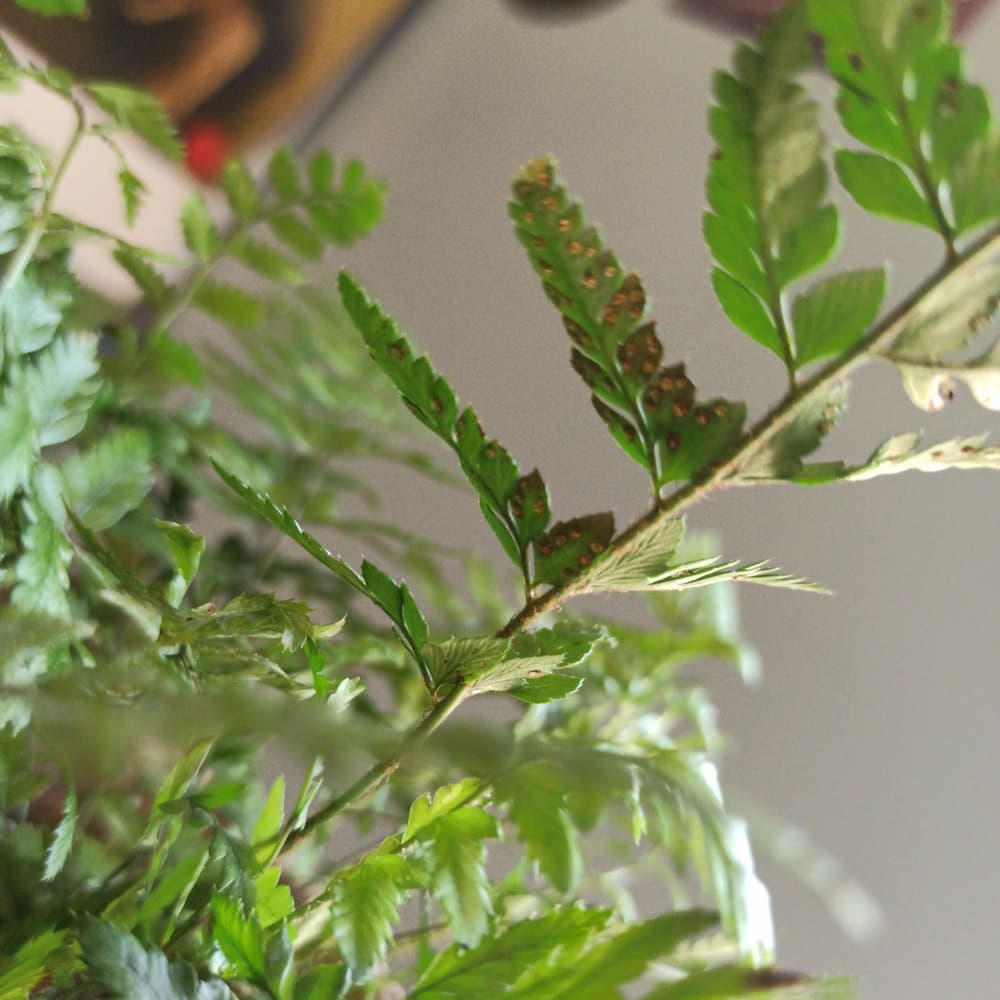
🩹 Ultimate Guide to Fixing Brown Spots on Leatherleaf Tree
Chamaedaphne calyculata
By the Greg Editorial Team
Oct 15, 2024•5 min read
This article was created with the help of AI so we can cover more plants for you. May contain errors. See one? Report it here.
Revitalize your Leatherleaf Tree 🌿 by uncovering the secrets to preventing and treating brown spots!
- 🌱 Brown spots arise from stress, pests, or fungal infections—identify the cause for treatment.
- 💧 Maintain soil moisture between 50-70% to prevent drought and overwatering issues.
- 🐛 Regular inspections catch pests early—document symptoms for effective diagnosis and care.
Causes of Brown Spots
🌪️ Environmental Stress Factors
Drought Conditions
Drought can wreak havoc on your Leatherleaf Tree. Symptoms include wilting leaves and dry soil, which lead to reduced leaf turgor and the formation of brown spots.
Overwatering
On the flip side, overwatering can be just as damaging. Look for yellowing leaves and soggy soil, which indicate root rot and subsequent leaf discoloration.
Soil Moisture Levels
Maintaining consistent soil moisture is crucial for your tree's health. Aim for moisture levels between 50-70% to keep your Leatherleaf thriving.
🍄 Fungal Infections
Leaf Spot Diseases
Fungal pathogens are common culprits behind brown spots. You’ll often see circular brown spots with yellow halos, signaling that your tree is under attack.
Conditions Favoring Fungal Growth
High humidity and poor air circulation create a perfect storm for fungal growth. Proper spacing in your landscaping can help mitigate these conditions.
🐜 Pest Infestations
Spider Mites
These tiny pests can cause significant damage. Look for fine webbing and stippled leaves, which indicate that spider mites are weakening your tree and leading to brown spots.
Aphids
Aphids are another threat, often leaving curling leaves and sticky residue in their wake. Their feeding habits can deplete nutrients, resulting in noticeable leaf discoloration.
Understanding these causes is the first step in addressing brown spots on your Leatherleaf Tree. Next, we’ll dive into how to diagnose these issues effectively.
Diagnosing Brown Spots
Identifying Symptoms and Patterns 🌿
Regular leaf inspections are crucial for catching issues early. By checking your Leatherleaf Tree frequently, you can spot distress signs before they escalate.
Documenting discoloration patterns helps in diagnosing the problem. Take note of where the brown spots appear and how they change over time.
Differentiating Between Causes 🔍
Understanding whether the brown spots are due to fungal infections or environmental stress is key. Look for specific visual cues: fungal spots often have distinct shapes and colors, while environmental stress indicators may vary more widely.
For instance, circular spots with yellow halos typically signal a fungal issue. In contrast, irregular brown patches might suggest environmental stressors like drought or overwatering.
Treatment Options
🌱 Organic Treatments
Organic treatments can be effective in managing brown spots on your Leatherleaf Tree without resorting to harsh chemicals.
Neem Oil Application
To use neem oil, dilute it according to the instructions on the label and spray it directly onto the affected areas. For best results, apply every 2-3 weeks during the tree's active growth period.
Natural Fungicides
Natural fungicides, such as baking soda solutions and sulfur-based products, can also help combat fungal infections. Apply these treatments during the early morning or late afternoon to avoid leaf burn, and follow the recommended timing for maximum effectiveness.
⚗️ Chemical Treatments
If organic options aren't yielding results, chemical treatments may be necessary.
Specific Fungicides for Leaf Spots
Look for fungicides specifically designed for leaf spots. Always read the product label for application guidelines and recommended dosages to ensure safety and effectiveness.
Safety Precautions
When using chemical treatments, wear protective gear such as gloves and masks. Ensure proper ventilation and keep pets and children away from treated areas until they are dry.
💧 Adjusting Watering Practices
Proper watering is crucial for the health of your Leatherleaf Tree and can prevent brown spots from worsening.
Recommended Frequency
Water your tree weekly, but adjust based on weather conditions. During hot, dry spells, you may need to increase frequency, while cooler, wetter periods may require less.
Signs of Overwatering vs. Underwatering
Be vigilant for signs of overwatering, such as yellowing leaves and soggy soil, or underwatering, indicated by wilting leaves and dry soil. Adjust your watering practices accordingly to maintain optimal soil moisture.
🌿 Soil Amendments for Nutrient Deficiencies
Soil health plays a significant role in the overall vitality of your Leatherleaf Tree.
Types of Soil Amendments
Consider adding organic options like compost and well-rotted manure to enrich the soil. Inorganic options, such as synthetic fertilizers, can also provide essential nutrients.
Application Methods and Timing
Apply soil amendments during the growing season for the best results. Follow the recommended guidelines for each type of amendment to ensure your tree receives the nutrients it needs.
By implementing these treatment options, you can effectively manage brown spots on your Leatherleaf Tree and promote its overall health. Next, let’s explore preventive measures to keep your tree thriving and resilient against future issues.
Preventive Measures
Proper Watering Techniques 🌊
Maintaining optimal soil moisture is crucial for the health of your Leatherleaf Tree. Using moisture meters can help you gauge the soil's moisture levels accurately.
Deep watering is more effective than frequent shallow watering. This method encourages roots to grow deeper, making the tree more resilient to stress.
Soil Health and Amendments 🧪
Soil testing plays a vital role in ensuring your tree thrives. It's recommended to test your soil annually to assess pH and nutrient levels.
Adjusting these levels based on test results can significantly enhance your tree's health. This proactive approach prevents nutrient deficiencies that could lead to brown spots.
Regular Inspection and Maintenance 🔍
Creating a maintenance schedule is essential for early detection of issues. Monthly checks for pests and diseases can save your tree from serious damage.
Seasonal pruning also improves air circulation, reducing the risk of fungal infections. Regular maintenance keeps your Leatherleaf Tree looking vibrant and healthy.
Choosing Resistant Varieties 🌱
Selecting disease-resistant Leatherleaf Tree varieties can make a significant difference. These options are often better suited to withstand local climate and soil conditions.
Choosing resistant varieties not only reduces the likelihood of brown spots but also promotes overall tree health. This strategic choice can save you time and effort in the long run.
By implementing these preventive measures, you can ensure your Leatherleaf Tree remains healthy and vibrant. Next, we’ll explore effective treatment options for existing brown spots.
⚠️ Safety First
This content is for general information and may contain errors, omissions, or outdated details. It is not medical, veterinary advice, or an endorsement of therapeutic claims.
Always consult a qualified healthcare professional before using any plant as food, medicine, or supplement.
Never eat any plant (or feed one to pets) without confirming its identity with at least two trusted sources.
If you suspect poisoning, call Poison Control (800) 222-1222, the Pet Poison Helpline (800) 213-6680, or your local emergency service immediately.
Spotted an error? Please report it here.
Keep your Leatherleaf Tree thriving 🌿 by using Greg's tailored watering reminders and community insights to tackle brown spots and ensure its vibrant health!