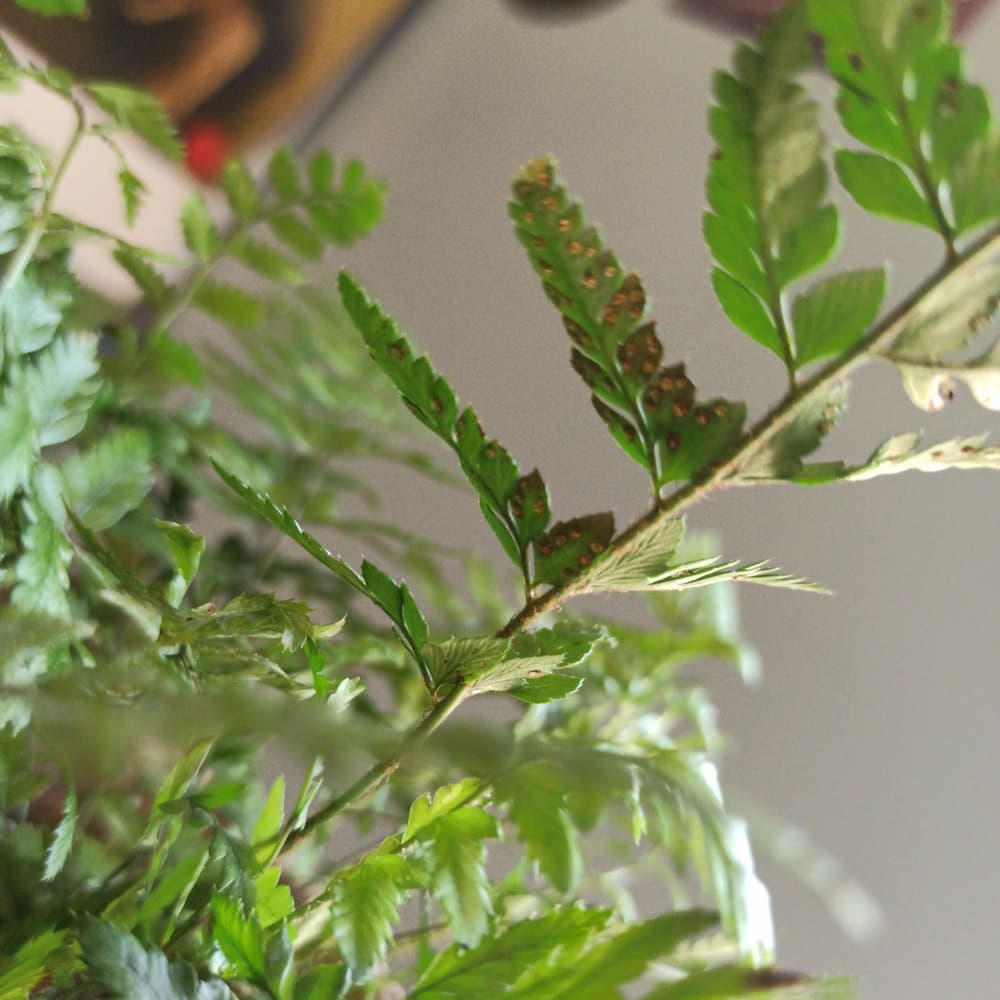
🍃 Actions to Take When Leatherleaf Tree Leaves Turn Yellow
Chamaedaphne calyculata
By the Greg Editorial Team
Oct 15, 2024•5 min read
This article was created with the help of AI so we can cover more plants for you. May contain errors. See one? Report it here.
Revive your Leatherleaf Tree 🌿 by quickly diagnosing and treating yellowing leaves for vibrant health!
- 🌱 Yellow leaves indicate issues like nutrient deficiencies, overwatering, or pests.
- 💧 Proper watering and drainage are crucial to prevent yellowing and root rot.
- 🐛 Regular pest inspections help catch problems early, ensuring tree health.
Causes of Yellowing Leaves
🌱 Nutrient Deficiencies
Nitrogen Deficiency
Pale yellow leaves, especially on older foliage, signal a nitrogen deficiency. This nutrient is vital for chlorophyll production, which keeps your Leatherleaf Tree vibrant and healthy.
Iron Deficiency
If you notice yellowing between leaf veins while the veins themselves remain green, your tree may be suffering from iron deficiency. Iron plays a crucial role in photosynthesis and overall plant vigor.
💧 Overwatering and Poor Drainage
Yellowing leaves accompanied by wilting and root rot often indicate overwatering. Excess moisture can suffocate roots and lead to fungal infections, making well-drained soil essential for healthy Leatherleaf Trees.
🌵 Underwatering and Drought Stress
On the flip side, insufficient water can cause yellowing leaves with crispy edges and even leaf drop. Drought stress hampers nutrient uptake, putting your tree at risk.
🐛 Pest Infestations
Aphids
Yellowing leaves, sticky residue, and distorted growth are common signs of aphid infestations. Regular monitoring and timely treatment can help keep these pests at bay.
Spider Mites
Look for fine webbing and stippled yellow leaves to identify spider mites. Increasing humidity and using miticides can effectively control these pests.
🍄 Fungal Infections
Root Rot
Yellowing leaves, mushy roots, and stunted growth are classic symptoms of root rot. This condition often arises from overwatering and poor soil drainage.
Leaf Spot
Dark spots on leaves that lead to yellowing are indicative of leaf spot diseases. These fungal pathogens thrive in humid conditions, making early detection crucial.
Understanding these causes is the first step in addressing yellowing leaves. Next, we’ll explore how to diagnose the specific issues affecting your Leatherleaf Tree.
Diagnosing Yellow Leaves
👀 Visual Symptoms to Look For
When your Leatherleaf Tree's leaves start turning yellow, pay close attention to the color patterns. Look for uniform yellowing or specific areas that might indicate underlying issues.
Additionally, examine the leaf texture. Are they wilting or feeling crispy? These signs can provide crucial clues about the plant's health.
🧪 Soil Testing for Nutrient Levels
Testing your soil is essential for understanding nutrient deficiencies. A soil test can reveal pH levels and nutrient content, helping you identify what your tree might be lacking.
Consider using a reliable soil test kit. Following the recommended procedures ensures accurate results, guiding your next steps in care.
🐛 Checking for Pests and Diseases
Regular inspections are key to catching problems early. Look for signs of pest damage, such as sticky residue or distorted growth.
Familiarize yourself with common disease symptoms. Early detection can make a significant difference in treatment effectiveness.
💧 Assessing Watering Practices
Evaluate how often and how much you water your Leatherleaf Tree. Overwatering can lead to yellowing leaves, while underwatering can cause stress.
Check the soil moisture before watering. This simple practice can help you avoid the pitfalls of both overwatering and underwatering, keeping your tree healthy and vibrant.
With these diagnostic steps, you'll be well-equipped to identify the causes of yellowing leaves and take appropriate action. Next, let’s explore effective treatment options to restore your tree’s health.
Treatment Options for Yellow Leaves
🌊 Adjusting Watering Schedule
To keep your Leatherleaf Tree thriving, aim for a weekly watering schedule during the growing season. Check the soil texture and leaf appearance to ensure proper moisture levels; the soil should feel damp but not soggy.
🌱 Fertilization Techniques
Organic vs. Chemical
When it comes to fertilidrainageyou have options. Organic choices like compost, fish emulsion, and slow-release fertilizers enrich the soil naturally, while bLeatherleaf Treeslizers provide a quick nutrient boost.
🐞 Pest Control Methods
Insecticidal Soap
Insecticidal soap is a go-to for tackling common pests. Apply it every 7-14 days, ensuring thorough coverage for maximum effectiveness.
Neem Oil
Neem oil is another efalllent pest control method. It not only repels pests but also disrupts their life cycles, making it a powerful ally in your garden.
🍄 Fungal Treatment Options
Fungicides
For fungal issues, select fungicides specifically designed for Leatherleaf Trees. Timing is crucial; apply them early in the season or at the first sign of trouble.
Cultural Practices
Cultural practices play a vital role in preventing fungal infections. Ensure proper spacing and airflow around your trees to minimize humidity and promote healthy growth.
By implementing these treatment options, you can effectively address yellowing leaves and restore your Leatherleaf Tree's vibrancy. Next, let’s explore preventative measures to keep your tree healthy year-round.
Preventative Measures
Proper Watering Techniques 🌊
Watering Leatherleaf Trees requires a thoughtful approach. Always check the soil moisture before watering to ensure you're not over or under-watering.
Soil Preparation and Drainage Solutions 🏞️
Choosing the right soil is crucial for healthy growth. Aim for well-draining soil types, and consider adding amendments like compost to enhance drainage.
Regular Monitoring for Pests and Diseases 🔍
Regular inspections are key to maintaining plant health. Aim to check your Leatherleaf Trees at least once a month for any signs of pests or diseases.
Seasonal Care Tips 🍂
Spring
As growth resumes in spring, adjust your fertilization and watering practices. This is the time to give your tree the nutrients it needs to thrive.
Fall
In the fall, prepare your Leatherleaf Tree for winter. Adjust care practices to ensure it remains healthy through the colder months.
By implementing these preventative measures, you can help your Leatherleaf Tree stay vibrant and healthy year-round. This proactive approach not only enhances its beauty but also reduces the risk of yellowing leaves and other issues.
⚠️ Safety First
This content is for general information and may contain errors, omissions, or outdated details. It is not medical, veterinary advice, or an endorsement of therapeutic claims.
Always consult a qualified healthcare professional before using any plant as food, medicine, or supplement.
Never eat any plant (or feed one to pets) without confirming its identity with at least two trusted sources.
If you suspect poisoning, call Poison Control (800) 222-1222, the Pet Poison Helpline (800) 213-6680, or your local emergency service immediately.
Spotted an error? Please report it here.
Keep your Leatherleaf Tree vibrant and healthy 🌿 by using Greg for personalized care reminders and proactive monitoring to tackle yellowing leaves before they become a problem!