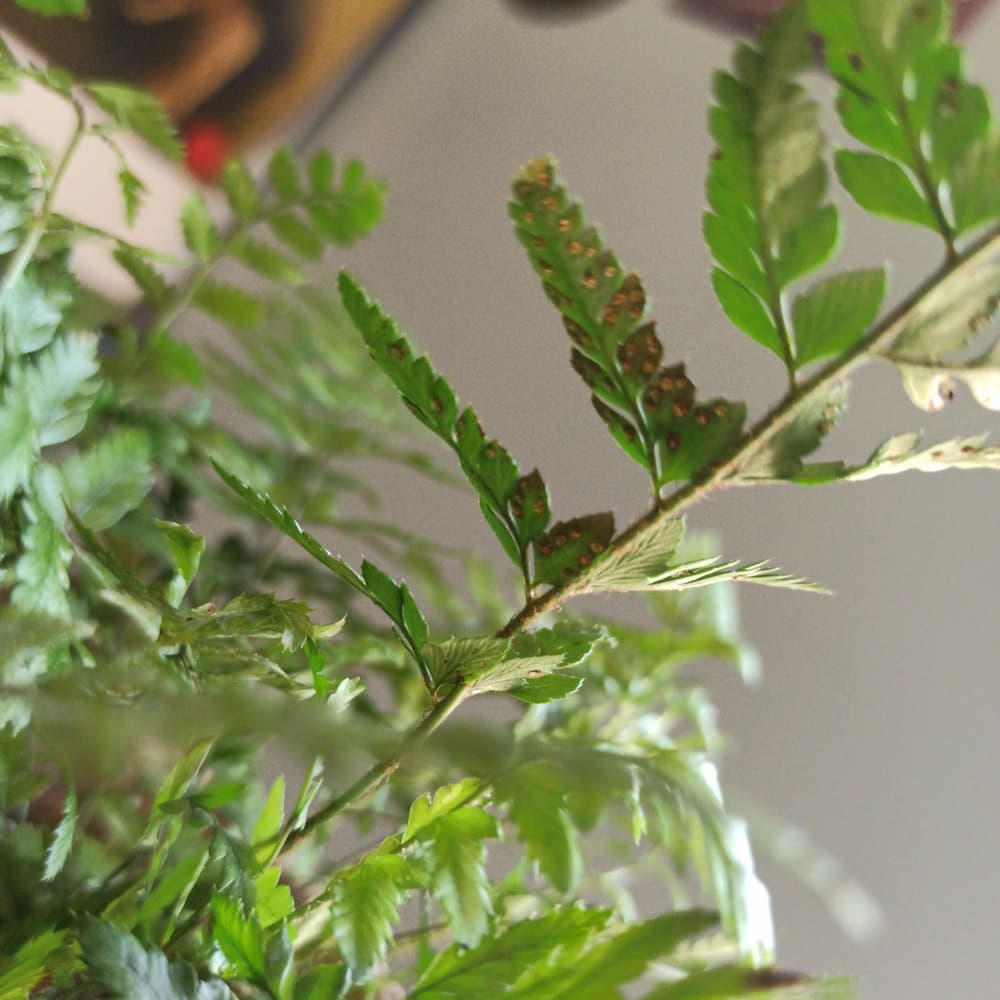
🌳 Ultimate Guide to Propagating Leatherleaf Tree
Chamaedaphne calyculata
By the Greg Editorial Team
Oct 15, 2024•6 min read
This article was created with the help of AI so we can cover more plants for you. May contain errors. See one? Report it here.
Master Leatherleaf Tree propagation 🌱 to effortlessly grow lush plants and expand your garden's beauty! 🌿
- 🌱 Select healthy 6-8 inch cuttings for successful Leatherleaf Tree propagation.
- 💧 Maintain humidity and temperature between 70°F to 75°F for optimal rooting.
- 🌞 Provide bright, indirect light for healthy growth; avoid direct sunlight.
Propagating from Cuttings
Step-by-step guide for taking cuttings 🌱
Select healthy stems: Look for stems that are at least 6-8 inches long and free from any signs of disease. Healthy cuttings are crucial for successful propagation.
Make the cut: Grab some clean, sharp pruning shears and cut just below a node. This is where new roots will emerge, so precision matters.
Remove lower leaves: Trim off the lower leaves to prevent rot when you plant the cutting. This step helps focus the plant's energy on root development.
Apply rooting hormone: Dip the cut end in rooting hormone. This encourages root growth and increases your chances of success.
Plant the cutting: Insert the cutting into a well-draining propagation medium. A good mix will help prevent waterlogging and promote healthy roots.
Best practices for rooting cuttings 🌿
Maintain humidity: Use a plastic bag or humidity dome to keep moisture levels high. This creates a mini-greenhouse effect, which is beneficial for rooting.
Monitor temperature: The ideal rooting temperature is between 70°F to 75°F (21°C to 24°C). Keeping the environment warm will speed up the rooting process.
Check for roots: After 4-6 weeks, gently tug on the cutting. If you feel resistance, congratulations! Roots are developing, and your cutting is on its way to becoming a new plant.
By following these steps and best practices, you can successfully propagate Leatherleaf Trees from cuttings. This method not only expands your garden but also deepens your connection to these beautiful plants. Next, let’s explore how to propagate Leatherleaf Trees from seeds.
Propagating from Seeds
How to collect and prepare seeds 🌱
Collecting seeds from the Leatherleaf Tree is straightforward. Wait until the mature pods turn brown and dry, then harvest them.
Once collected, clean the seeds to remove any pulp. Allow them to dry for a few days before moving on to the germination process.
Germination process for Leatherleaf Tree seeds 🌿
Germinating Leatherleaf Tree seeds is a rewarding endeavor. Start by soaking the seeds in water for 24 hours to enhance germination.
Next, sow the seeds about 1/4 inch deep in a well-draining seed-starting mix.
Keep the soil consistently moist but avoid waterlogging, as this can hinder growth.
With the right care, you'll soon see those seeds sprouting into new life, ready to thrive in your garden.
This process sets the stage for successful propagation, leading us to explore the layering technique next.
Layering Technique
Step-by-step instructions for successful layering 🌱
Layering is a fantastic way to propagate your Leatherleaf Tree. Here’s how to do it effectively.
Select a low-growing stem: Look for a flexible stem that can easily be bent to the ground. This will make the process smoother and more successful.
Prepare the site: Clear a small area of soil where the stem will touch the ground. This ensures good contact for rooting.
Make a small cut: Create a shallow cut on the underside of the stem. This encourages rooting by exposing the inner tissue.
Bury the cut section: Cover the cut part with soil, leaving the tip exposed. This allows the plant to continue growing while the buried section develops roots.
Secure with a stone or wire: Hold the buried section in place using a stone or wire. This ensures it stays in contact with the soil for optimal rooting.
Benefits of Layering 🌿
Layering is a low-risk method of propagation. It allows the parent plant to continue thriving while new roots develop.
- Higher success rate: Since the cutting remains attached to the parent plant, it can draw nutrients and moisture during the rooting process.
- Less maintenance: Once set up, layering requires minimal intervention, making it a hassle-free option.
Transitioning to Other Methods 🔄
While layering is effective, don’t hesitate to explore other propagation methods like cuttings or seeds. Each technique has its unique advantages and can complement your gardening skills beautifully.
Factors Influencing Propagation Success
🌦️ Environmental Conditions
When propagating Leatherleaf Trees, environmental conditions play a crucial role. Humidity and temperature are key factors that can make or break your propagation efforts.
Importance of Humidity and Temperature
For optimal results, aim for humidity levels between 70-90%. This range keeps your cuttings and seeds hydrated without drowning them.
The ideal temperature for propagation falls between 70°F to 80°F (21°C to 27°C). Maintaining this temperature ensures that your plants are comfortable and ready to grow.
💡 Light Requirements for Propagation
Light is another essential element in the propagation process. Providing the right light conditions can significantly boost your success rates.
Indirect Light
Leatherleaf Trees thrive in bright, indirect sunlight. Direct sunlight can scorch the leaves, so it’s best to keep them shaded.
Duration of Light
Aim for 12-16 hours of light daily. If natural light is insufficient, consider using grow lights to create a nurturing environment for your plants.
By paying attention to these environmental factors, you can enhance your propagation success. Next, let’s explore common challenges you might face during this process.
Common Challenges in Propagation
🥀 Issues with Cuttings
Signs of failure in cuttings
Wilting leaves are a clear indicator that your cuttings may be struggling. This often points to insufficient moisture or root failure, which can be disheartening.
Blackened stems are another red flag. This usually signals rot, often caused by overwatering, which can quickly derail your propagation efforts.
💧 Solutions for common cutting problems
To combat these issues, adjust your watering routine. The medium should be moist but not soggy to promote healthy root growth.
If your cuttings are wilting, consider increasing humidity. A humidity dome can create a more favorable environment, helping your cuttings thrive.
🌱 Seed Germination Challenges
Common issues with seed germination
Slow germination can be frustrating. This often results from low temperatures or dry conditions, which can hinder the process.
Mold growth is another common problem. Excess moisture can lead to mold on seeds, jeopardizing your efforts before they even begin.
Tips for overcoming germination problems
To improve germination rates, adjust moisture levels carefully. The soil should be consistently moist but not overly wet to encourage healthy seed development.
Using a sterile medium is crucial. A clean, sterile seed-starting mix can help prevent mold and give your seeds the best chance to sprout.
By addressing these common challenges, you can enhance your propagation success and enjoy the rewarding experience of growing your Leatherleaf Tree. Next, let’s explore the factors that influence propagation success, ensuring you have all the tools you need for thriving plants.
⚠️ Safety First
This content is for general information and may contain errors, omissions, or outdated details. It is not medical, veterinary advice, or an endorsement of therapeutic claims.
Always consult a qualified healthcare professional before using any plant as food, medicine, or supplement.
Never eat any plant (or feed one to pets) without confirming its identity with at least two trusted sources.
If you suspect poisoning, call Poison Control (800) 222-1222, the Pet Poison Helpline (800) 213-6680, or your local emergency service immediately.
Spotted an error? Please report it here.
Transform your Leatherleaf Tree cuttings into thriving plants 🌿 with Greg's personalized tips and reminders that ensure your propagation success!