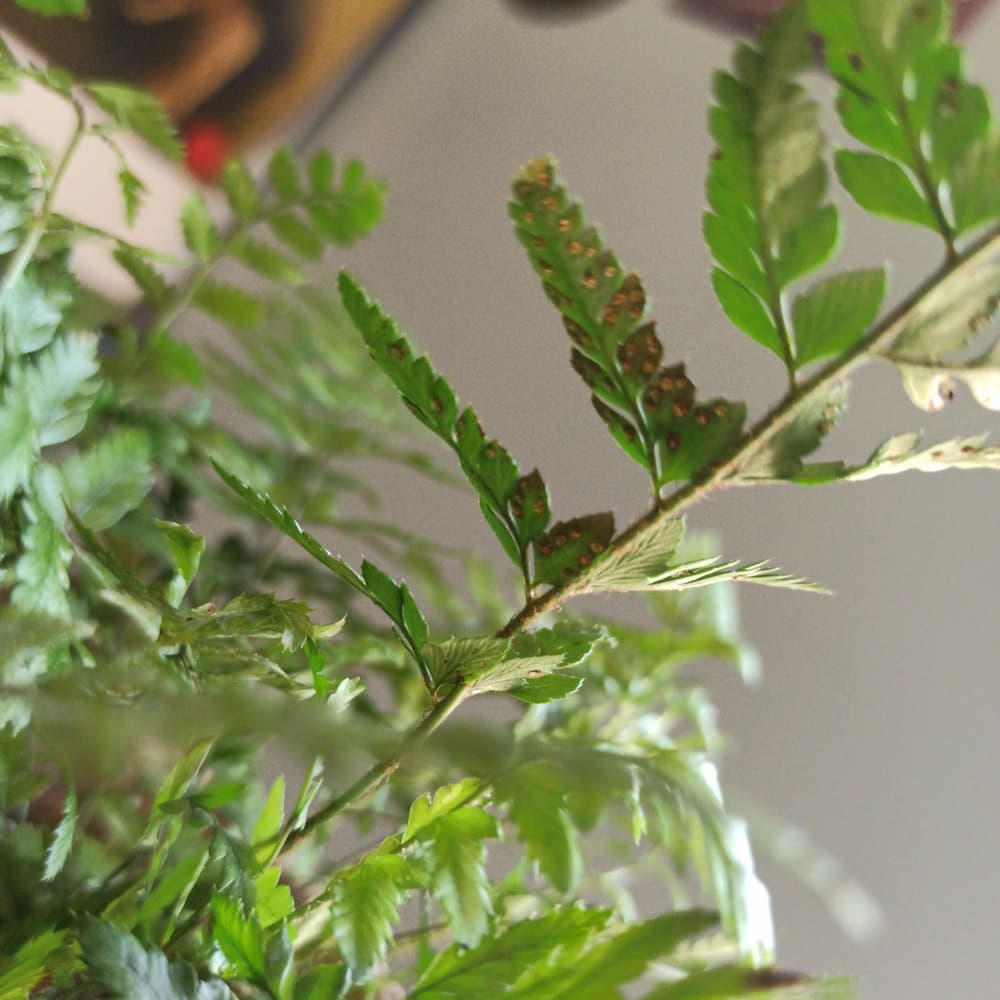
🌳 How to Cure Leaves Falling Over on Your Leatherleaf Tree
Chamaedaphne calyculata
By the Greg Editorial Team
Oct 15, 2024•5 min read
This article was created with the help of AI so we can cover more plants for you. May contain errors. See one? Report it here.
Transform your Leatherleaf tree's health 🌱 with essential tips to prevent leaf drop and ensure vibrant growth!
- 💧 Regularly check soil moisture to prevent overwatering and root rot in Leatherleaf trees.
- 🐜 Watch for pests like aphids; early detection is key to preventing leaf drop.
- 🌱 Nutrient deficiencies can cause yellowing; use balanced fertilizer for optimal growth.
Diagnosing the Problem
Assessing Soil Moisture Levels 🌧️
Understanding soil moisture is crucial for your Leatherleaf tree's health.
- Use a moisture meter: Insert it into the soil to gauge moisture content accurately.
- Finger test: Stick your finger 1-2 inches into the soil; if it feels dry, your tree needs water.
- Visual inspection: Look for signs of soil compaction or crusting, which can hinder water absorption.
Signs of Pest Infestations 🐛
Pests can wreak havoc on your Leatherleaf tree, so be vigilant.
Common pests affecting Leatherleaf:
- Aphids: Small, green insects often found on the undersides of leaves.
- Spider mites: Look for fine webbing on leaves and stippling damage.
Symptoms of infestation:
- Leaf discoloration: Watch for yellowing or browning leaves.
- Leaf drop: Increased leaf drop can indicate stress from pests.
Recognizing Nutrient Deficiencies 🥦
Nutrient deficiencies can also lead to leaf drop.
Nitrogen deficiency:
- Symptoms: Yellowing leaves and stunted growth signal a lack of nitrogen.
Potassium deficiency:
- Symptoms: Look for browning leaf edges and weak stems.
Testing soil: Use a soil test kit to determine nutrient levels, ensuring your tree gets what it needs.
By diagnosing these issues early, you can take the necessary steps to restore your Leatherleaf tree's health. Next, we’ll explore effective solutions to combat leaf drop.
Solutions for Leaf Drop
🌊 Adjusting Watering Practices
Establishing a consistent watering schedule is crucial. Water your Leatherleaf tree when the top 1-2 inches of soil feel dry to the touch.
Utilize the soak and dry method for optimal moisture levels. Water thoroughly, then allow the soil to dry out before the next watering session.
🕳️ Improving Soil Drainage
Soil composition plays a significant role in plant health. Use a mix of potting soil, perlite, and sand to enhance drainage and prevent waterlogging.
Choosing the right container is equally important. Ensure your pots have drainage holes to avoid water accumulation that can lead to root rot.
If you notice compacted soil, consider repotting. Fresh soil can improve drainage and provide your tree with the nutrients it needs.
🌱 Recommended Fertilizers
Selecting the right fertilizer can make a difference. A balanced NPK fertilizer (10-10-10) or a slow-release option works well for Leatherleaf trees.
Apply fertilizer every 4-6 weeks during the growing season. For best results, dilute the fertilizer in water and apply it to moist soil to prevent root burn.
By adjusting your watering practices, improving soil drainage, and using the right fertilizers, you can effectively combat leaf drop. These steps will help your Leatherleaf tree thrive and maintain its lush appearance.
Next, let’s explore some preventative measures to keep your tree healthy year-round.
Preventative Measures
Best Practices for Care 🌱
Regular monitoring is key to a healthy Leatherleaf tree. Check soil moisture and leaf health weekly to catch any issues early.
Pruning is another essential practice. Remove dead or damaged leaves to encourage new growth and improve overall plant vitality.
Pest control should not be overlooked. Use insecticidal soap or neem oil to manage any infestations before they escalate.
Seasonal Adjustments in Care Routines 🌸
Adjust your care routine with the seasons to keep your Leatherleaf thriving. In spring, increase watering as growth resumes and add fertilizer to boost nutrients.
During summer, maintain consistent moisture and keep an eye out for pests. This proactive approach will help you avoid stress on the plant.
As fall approaches, gradually reduce watering to prepare your tree for dormancy. This transition is crucial for its health.
In winter, cut back on fertilization and ensure your plant receives adequate light and humidity. This balance will support its rest period.
Monitoring Environmental Conditions 🌤️
Pay attention to environmental conditions for optimal growth. Keep your Leatherleaf in a stable environment, away from drafts that can cause stress.
Humidity levels are vital for leaf health. Use a humidifier or a pebble tray to maintain the right moisture in the air.
Light exposure is equally important. Ensure your tree gets adequate indirect sunlight while avoiding harsh direct light that can scorch its leaves.
By following these preventative measures, you can create a nurturing environment for your Leatherleaf tree, setting the stage for its long-term health and beauty. Next, let’s explore some common misconceptions that can lead to care mistakes.
Common Misconceptions
Myths About Care 🧐
One common myth is that Leatherleaf Trees thrive in waterlogged soil. In reality, overwatering can lead to root rot, which ultimately causes leaf drop.
Another misconception is that all pests are harmless if the plant appears healthy. Early detection of pests is crucial; ignoring them can lead to significant stress for your tree.
Clarifying the Role of Humidity and Temperature 🌡️
Humidity plays a vital role in the health of your Leatherleaf Tree. Maintaining moderate humidity levels can prevent leaf drop and wilting.
Temperature sensitivity is also important. Extreme fluctuations can stress the plant, leading to unwanted leaf loss.
Understanding these misconceptions will help you provide better care for your Leatherleaf Tree, ensuring it thrives in your home. Next, let’s explore preventative measures to keep your tree healthy year-round.
⚠️ Safety First
This content is for general information and may contain errors, omissions, or outdated details. It is not medical, veterinary advice, or an endorsement of therapeutic claims.
Always consult a qualified healthcare professional before using any plant as food, medicine, or supplement.
Never eat any plant (or feed one to pets) without confirming its identity with at least two trusted sources.
If you suspect poisoning, call Poison Control (800) 222-1222, the Pet Poison Helpline (800) 213-6680, or your local emergency service immediately.
Spotted an error? Please report it here.
Transform your Leatherleaf tree into a vibrant centerpiece 🌿 by using Greg's tailored watering alerts and pest detection tools to ensure it thrives and stays healthy!