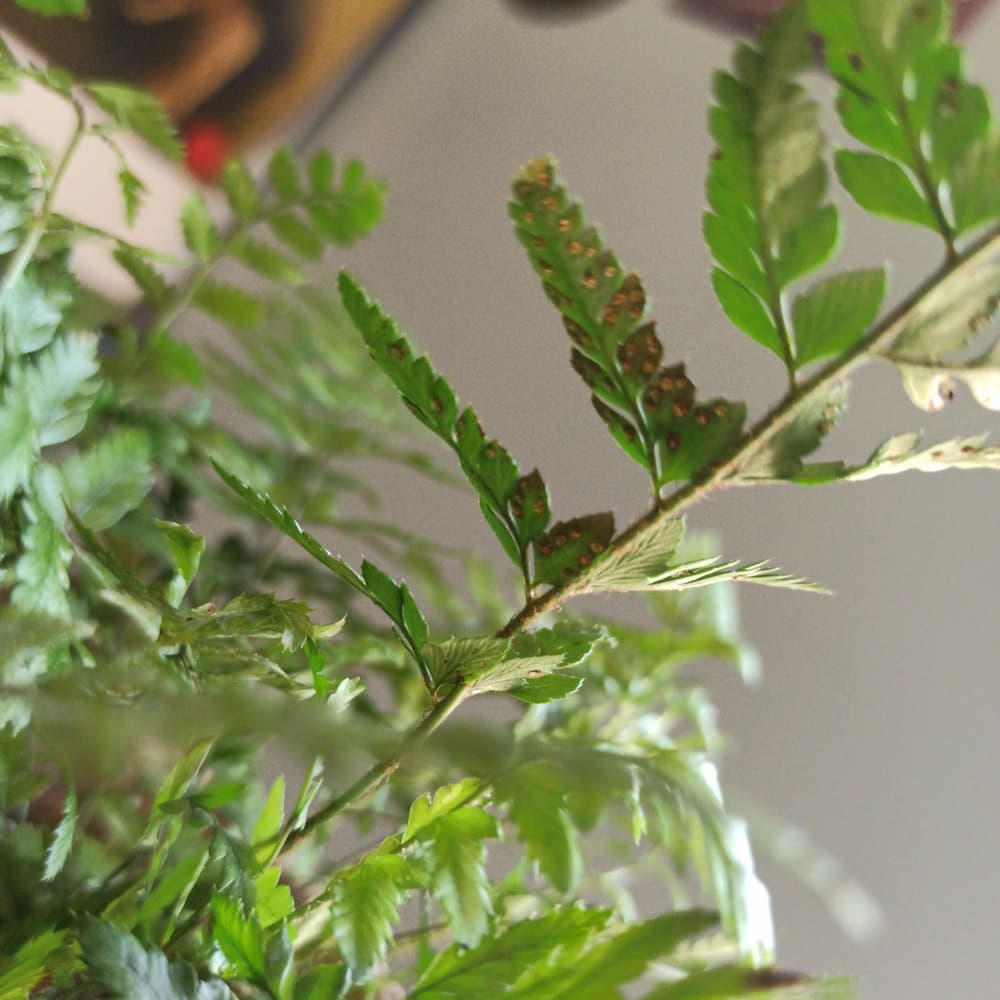
🔍 Managing Black Spots on Your Leatherleaf Tree Leaves
Chamaedaphne calyculata
By the Greg Editorial Team
Oct 15, 2024•5 min read
This article was created with the help of AI so we can cover more plants for you. May contain errors. See one? Report it here.
Revive your leatherleaf tree from black spots with essential diagnosis and treatment tips for thriving greenery! 🌱
- 🌱 Identify black spots' causes—fungal infections or environmental stressors like drought.
- 🧴 Use fungicides or neem oil for effective treatment of black spot infections.
- 🔍 Regular inspections every two weeks help catch issues early for healthier trees.
Diagnosing Black Spots
🦠 Differentiating Between Fungal and Non-Fungal Causes
Identifying the cause of black spots on your leatherleaf tree is crucial for effective treatment. Fungal characteristics often include dark, circular spots with fringed edges, typically appearing on older leaves.
On the other hand, non-fungal causes can stem from environmental stressors like drought or nutrient deficiencies. Yellowing leaves or stunted growth may indicate these issues rather than a fungal infection.
🔍 Visual Inspection Techniques
Conducting a thorough leaf examination is essential. Look for discoloration, wilting, or unusual textures, as these can signal disease.
The location on the tree also matters. Leaves in the lower canopy may show signs of stress earlier than those higher up, making it important to inspect all areas.
📏 Importance of Leaf Age and Location on the Tree
Age-related susceptibility plays a significant role in how leaves react to stress. Younger leaves are often more resilient, while older leaves may be more prone to damage.
Identifying specific areas of concern can help you focus your efforts. The lower branches and shaded areas are typically more affected, so pay extra attention to these spots during your inspections.
Understanding these factors will set the stage for effective treatment and prevention strategies. Next, we’ll explore how to treat those pesky black spots effectively.
Treating Black Spots
🧪 Recommended Fungicides and Treatments
When dealing with black spots on your leatherleaf tree, effective fungicides can make a significant difference. Look for products specifically labeled for black spot treatment, such as those containing chlorothalonil or myclobutanil.
Proper application is crucial to minimize damage to your tree. Always follow the manufacturer's instructions for dilution and frequency to ensure the best results without harming the plant.
🌿 Organic Treatment Options
If you prefer a more natural approach, neem oil is a fantastic option. This organic remedy not only targets black spot fungus but also acts as a pest deterrent.
Choosing organic treatments can be particularly effective when the infection is mild. However, if the problem escalates, you may need to switch to chemical options for a more robust solution.
📋 Step-by-Step Application Process
Identify affected areas: Start by focusing on leaves that show visible symptoms of black spots.
Prepare the treatment: Mix your chosen fungicide or organic solution according to the directions provided.
Apply treatment: Use a spray bottle or garden sprayer to ensure even coverage across the affected leaves.
Follow-up care: After treatment, monitor the leaves for signs of improvement or any new symptoms that may arise.
By following these steps, you can effectively manage black spots and help your leatherleaf tree thrive. Next, let’s explore how to prevent these issues from occurring in the first place.
Preventing Black Spots
Best Practices for Watering and Soil Management 🌧️
Maintaining optimal soil moisture is crucial for your leatherleaf tree's health. Aim for consistent moisture without waterlogging, as both extremes can stress the tree and lead to black spots.
Well-drained soil is essential. Ensure your planting area has good drainage to prevent overwatering, which can create a breeding ground for fungal diseases.
Importance of Pruning and Air Circulation ✂️
Pruning is more than just aesthetics; it’s vital for airflow. Regularly trim your tree to allow light and air to penetrate the canopy, reducing humidity that fosters fungal growth.
Good air circulation around the leaves helps keep them dry. This simple practice can significantly deter the development of black spots and promote overall tree health.
Seasonal Care Tips to Minimize Risk 🌱
Adjust your watering practices with the seasons. In hotter months, your tree may need more water, while cooler months might require less to prevent root rot.
A balanced fertilization schedule is also key. Providing the right nutrients at the right time enhances your tree's resilience against stress and disease, keeping those pesky black spots at bay.
By implementing these preventive measures, you can significantly reduce the risk of black spots on your leatherleaf tree. Next, let’s explore how to monitor and maintain your tree’s health effectively.
Monitoring and Maintenance
Regular Inspection Schedules 🌿
Regular inspections are crucial for maintaining the health of your leatherleaf tree. Aim to check the leaves every two weeks, especially during the growing season.
Look for key signs such as discoloration, wilting, or unusual spots. These symptoms may indicate that immediate action is necessary to prevent further damage.
Signs of Recovery or Worsening Conditions 🌱
After treatment, monitor your tree for signs of recovery. Healthy leaves will regain their vibrant color and show new growth.
Conversely, if you notice persistent black spots or leaf drop, it may be time to reassess your treatment strategy. These worsening signs could suggest the need for professional intervention.
When to Consult a Professional 🧑🔧
Knowing when to seek expert help can save your tree. If treatments fail after a few weeks or if the tree shows severe distress, it’s time to consult a professional.
To find a qualified tree care specialist, ask for recommendations from local gardening centers or check online reviews. A knowledgeable expert can provide tailored advice and effective solutions for your leatherleaf tree's health issues.
⚠️ Safety First
This content is for general information and may contain errors, omissions, or outdated details. It is not medical, veterinary advice, or an endorsement of therapeutic claims.
Always consult a qualified healthcare professional before using any plant as food, medicine, or supplement.
Never eat any plant (or feed one to pets) without confirming its identity with at least two trusted sources.
If you suspect poisoning, call Poison Control (800) 222-1222, the Pet Poison Helpline (800) 213-6680, or your local emergency service immediately.
Spotted an error? Please report it here.
Tackle those pesky black spots on your leatherleaf tree leaves with Greg's personalized care tips 🌱, ensuring your tree stays healthy and vibrant through tailored watering and treatment reminders!