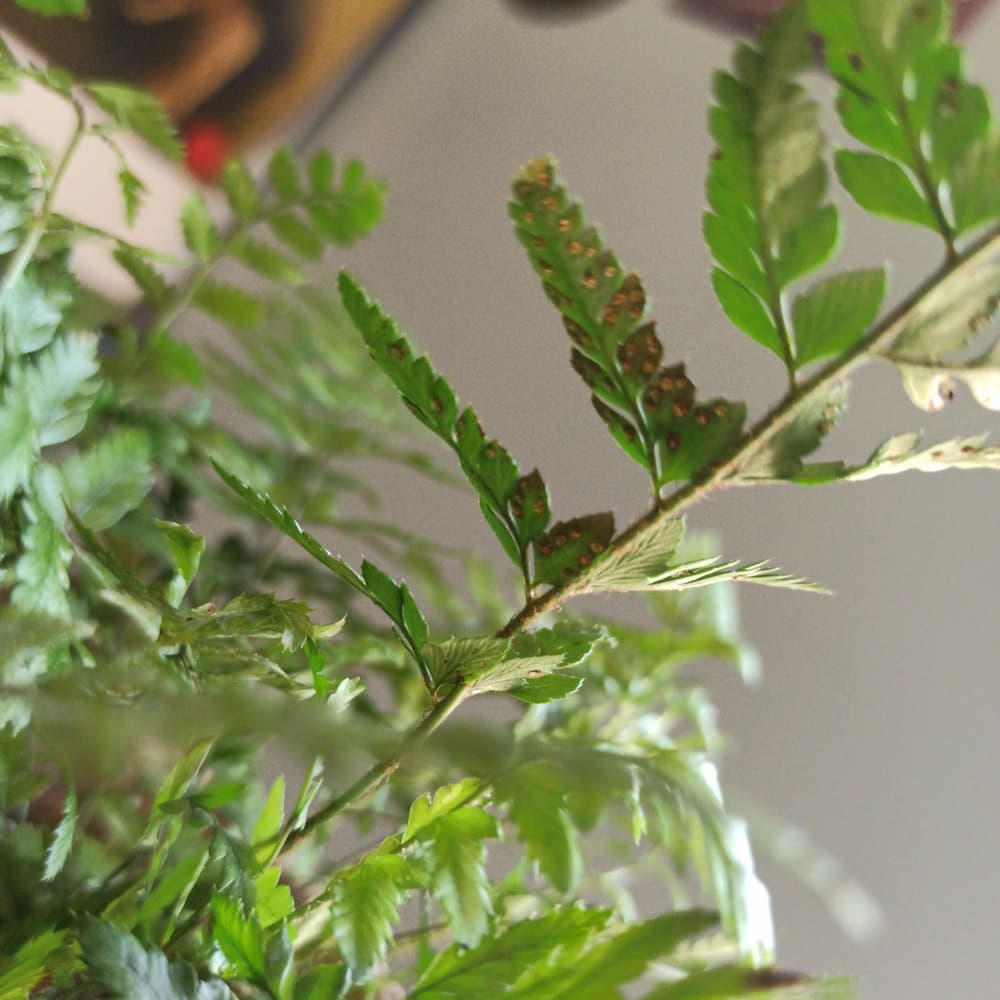
✂️ When and Where to Trim Your Leatherleaf Tree
Chamaedaphne calyculata
By the Greg Editorial Team
Oct 15, 2024•5 min read
This article was created with the help of AI so we can cover more plants for you. May contain errors. See one? Report it here.
Elevate your leatherleaf tree's health 🌳 with expert pruning techniques and perfect timing for vibrant growth!
- ✂️ Prune in spring for new growth; early fall for maintenance and winter protection.
- 🛠️ Use proper tools like shears and loppers for effective and safe pruning.
- 🌳 Focus on dead or crossing branches to maintain a healthy tree structure.
Pruning Techniques
🌳 Types of Cuts
Thinning Cuts
Thinning cuts involve removing entire branches to enhance light penetration and air circulation. This technique reduces density, allowing for healthier growth and a more vibrant tree.
Heading Cuts
Heading cuts are made by cutting back branches to a node, which encourages bushier growth. This method shapes the tree, controls its size, and stimulates new growth.
🛠️ Tools Needed
To effectively prune your leatherleaf tree, you'll need the right tools:
- Pruning shears: Ideal for small branches (up to 1 inch).
- Loppers: Best for medium branches (1-2 inches).
- Pruning saw: Necessary for larger branches (over 2 inches).
- Safety gear: Always wear gloves and goggles for protection.
✂️ Best Practices for Clean Cuts
To ensure your cuts are effective and promote tree health, follow these best practices:
- Angle of cuts: Make cuts at a 45-degree angle to prevent water accumulation.
- Cleanliness: Sterilize your tools before use to avoid disease transmission.
- Timing: Prune during dry weather to minimize stress on the tree.
By mastering these pruning techniques, you'll set your leatherleaf tree up for success. Next, let’s explore the ideal timing for pruning to maximize its benefits.
Timing for Pruning
Ideal Seasons 🌸
Spring is the prime time for pruning your leatherleaf tree. This season is perfect for shaping and encouraging new growth, allowing your tree to flourish.
Fall also offers a good opportunity for maintenance pruning. However, be cautious and avoid late-season cuts that could expose the tree to winter stress.
Signs That Indicate When to Prune 🔍
Look for signs of overgrowth, such as branches crowding each other or obstructing pathways. These indicators suggest it’s time to take action.
Dead or diseased branches are another clear signal. If you notice signs of decay or discoloration, it’s essential to prune these areas to maintain tree health.
Seasonal cues can also guide your pruning schedule. New growth in spring or leaf drop in fall can indicate the right moments to prune.
Effects of Pruning at Different Times ⏰
Pruning in spring stimulates growth, giving your tree a fresh start. However, be aware that late frosts can damage new shoots, so timing is crucial.
On the other hand, fall pruning reduces the risk of winter damage. Yet, if done too late, it may stress the tree, so aim for early fall cuts.
Understanding when to prune can significantly impact the health and appearance of your leatherleaf tree. With the right timing, you can ensure it thrives beautifully throughout the seasons.
Next, let’s explore the location and method of pruning to maximize your tree's potential.
Location and Method of Pruning
Where to Prune 🌿
When pruning your leatherleaf tree, focus on the nodes. Cutting just above a node encourages new growth, helping the tree thrive.
Additionally, remove any crossing or rubbing branches. This improves the tree's structure and prevents potential damage.
How to Shape the Tree ✂️
To shape your tree effectively, use thinning cuts. These cuts open the canopy, allowing light to penetrate and promoting healthier growth.
Aim for a balanced, bushy form while controlling the tree's height. This approach ensures your leatherleaf tree remains both attractive and functional.
Techniques for Maintaining Size 📏
Regular maintenance is key to preventing excessive growth. Prune annually to keep your tree in check and promote a healthy structure.
Focus on the outer branches with targeted cuts. This method controls width without sacrificing height, ensuring your tree maintains its desired shape.
By following these pruning techniques, you'll foster a vibrant and well-structured leatherleaf tree, setting the stage for the next steps in your tree care journey.
Deadheading
Importance for Plant Health 🌱
Deadheading is crucial for your leatherleaf tree's vitality. By removing spent blooms, you encourage new flowers and prevent the tree from wasting energy on seed production.
Benefits of Deadheading 🌼
This practice not only enhances the tree's overall appearance but also promotes vigorous growth. A well-maintained tree looks healthier and more vibrant, making your garden a more inviting space.
Step-by-Step Instructions ✂️
- Identify spent flowers: Look for wilted or brown blooms that signal it's time to act.
- Use clean shears: Cut the stem just above the first set of healthy leaves to encourage new growth.
- Frequency: Deadhead regularly throughout the blooming season for the best results.
Signs That Deadheading is Needed 👀
Keep an eye out for wilting flowers; they indicate that blooms are past their prime. Additionally, if you notice seed pods forming, it's a clear sign that energy should be redirected back into the tree.
Conclusion 🌳
Incorporating deadheading into your pruning routine can significantly enhance the health and appearance of your leatherleaf tree. With these simple steps, you can ensure your tree remains lush and vibrant, setting the stage for the next topic on common pruning mistakes.
Common Pruning Mistakes
Over-Pruning and Its Effects 🌿
Over-pruning can severely weaken your leatherleaf tree. This not only leads to stress but also opens the door to potential diseases.
Signs of over-pruning include excessive leaf drop and stunted growth. If you notice these symptoms, it’s a clear indication that you may have gone too far.
Misidentifying Branches to Cut ✂️
One common mistake is cutting healthy branches instead of targeting dead or diseased ones. This misstep can compromise the tree's health and overall structure.
To prevent this, take the time to familiarize yourself with your tree's structure and growth habits. Understanding what to cut and what to keep is crucial for effective pruning.
Timing Errors ⏰
Pruning too late in the season can expose your tree to winter damage. This can be detrimental, especially if new growth is vulnerable to frost.
Stick to recommended seasonal guidelines for pruning. This ensures your tree remains healthy and resilient throughout the year.
By avoiding these common mistakes, you can maintain a thriving leatherleaf tree that enhances your landscape. Next, let’s explore the importance of deadheading for plant health.
⚠️ Safety First
This content is for general information and may contain errors, omissions, or outdated details. It is not medical, veterinary advice, or an endorsement of therapeutic claims.
Always consult a qualified healthcare professional before using any plant as food, medicine, or supplement.
Never eat any plant (or feed one to pets) without confirming its identity with at least two trusted sources.
If you suspect poisoning, call Poison Control (800) 222-1222, the Pet Poison Helpline (800) 213-6680, or your local emergency service immediately.
Spotted an error? Please report it here.
Transform your leatherleaf tree into a stunning centerpiece by using Greg's custom pruning reminders ✂️ that ensure you make the right cuts at the right time for optimal growth!