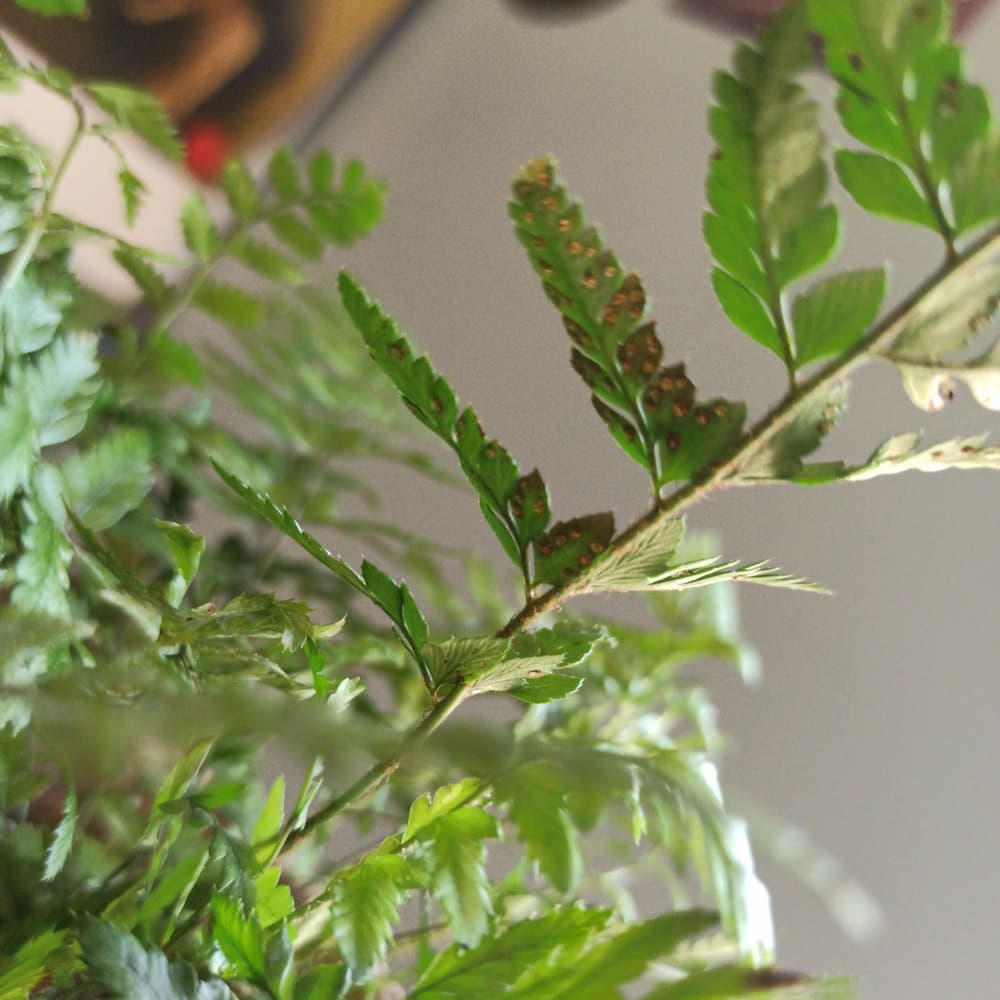
🌳 Understanding Curling Leaves on Your Leatherleaf Tree
Chamaedaphne calyculata
By the Greg Editorial Team
Oct 15, 2024•5 min read
This article was created with the help of AI so we can cover more plants for you. May contain errors. See one? Report it here.
Revive your leatherleaf tree 🌱 by uncovering the secrets to preventing and treating curling leaves for lush growth!
- 🌡️ Leatherleaf trees prefer 15°C to 30°C; extreme temps cause leaf curling.
- 💧 Maintain humidity between 40%-60% to prevent leaf drying and curling.
- 🐜 Pests like aphids and spider mites can cause leaf curling by depleting nutrients.
Causes of Curling Leaves
🌡️ Environmental Stress Factors
Temperature extremes can significantly impact your leatherleaf tree. The ideal temperature range is between 15°C to 30°C (59°F to 86°F). When temperatures stray too far from this range, you may notice symptoms like leaf curling and discoloration.
Humidity levels also play a crucial role in the health of your tree. The optimal humidity for leatherleaf is between 40% to 60%. Low humidity can lead to drying out of leaves, causing them to curl and lose their vitality.
🐜 Pests Affecting Leatherleaf
Aphids
Aphids are small pests that can wreak havoc on your leatherleaf tree. Signs of an infestation include sticky residue on leaves and distorted leaf shapes. These pests cause nutrient depletion, which directly leads to leaf curling.
Spider Mites
Spider mites are another common threat to leatherleaf trees. Look for fine webbing and a stippled appearance on leaves as indicators of their presence. They extract sap from the leaves, resulting in yellowing and curling.
🍄 Fungal Infections and Diseases
Fungal infections can also contribute to leaf curling. Common issues include powdery mildew, which appears as white powdery spots on leaves, and root rot, often caused by overwatering. Both conditions can lead to significant leaf curl and wilting.
🌱 Nutrient Deficiencies
Nitrogen Deficiency
A nitrogen deficiency can manifest through yellowing leaves and stunted growth. You may also notice curling at the edges of the leaves. Nitrogen is essential for healthy foliage development, making it a critical nutrient for your leatherleaf.
Potassium Deficiency
Potassium deficiency can lead to leaf curling and browning at the tips. This nutrient is vital for overall plant health and helps your leatherleaf resist stress. Ensuring adequate potassium levels can keep your tree thriving.
Understanding these causes of curling leaves is the first step toward effective treatment. Next, we’ll explore how to diagnose leaf curl and identify the underlying issues affecting your leatherleaf tree.
Diagnosing Leaf Curl
🌿 Identifying Symptoms of Leaf Curl
When your leatherleaf tree shows signs of distress, the first step is to look closely at the leaves. Common visual indicators include curling edges, discoloration, and wilting, which signal that something is off.
Additionally, pay attention to the leaf texture. If the once glossy leaves appear dull or rough, it’s another sign that your plant may be struggling.
🐛 Differentiating Between Pest Damage and Environmental Stress
Next, it’s crucial to determine whether the issue stems from pests or environmental stress. For pest damage, inspect the leaves for any signs of insects or webbing, which can indicate an infestation.
On the other hand, environmental stress often relates to temperature and humidity levels. Assessing these factors can help you pinpoint the root cause of the leaf curl.
🌱 Assessing Soil Conditions and Moisture Levels
Soil conditions play a significant role in your plant's health. To check soil moisture, insert your finger about 1-2 inches into the soil. The ideal moisture level should feel slightly moist, not soggy.
Evaluating soil drainage is equally important. Well-drained soils prevent root rot, ensuring your leatherleaf tree remains healthy and vibrant.
Treating Curling Leaves
🐛 Step-by-Step Pest Control Methods
Identifying the pest is your first step. Inspect the leaves and stems closely for any signs of infestation.
Once you’ve pinpointed the pest, choose your treatment. Use insecticidal soap for aphids and miticides for spider mites.
Follow the label instructions for dosage and frequency during application. This ensures effective treatment without harming your plant.
🦠 Recommended Fungicides for Fungal Infections
Fungal infections can be tricky, but knowing the right fungicides helps. Systemic fungicides are effective for root rot, while contact fungicides work well for powdery mildew.
Timing is crucial for application. Aim for early morning or late afternoon to avoid leaf burn from the sun.
🌱 Nutrient Supplementation Techniques
A solid fertilization schedule can make a world of difference. Use a balanced fertilizer every 4-6 weeks during the growing season to keep your leatherleaf thriving.
When selecting fertilizers, opt for nitrogen-rich options to promote leafy growth and potassium-rich ones for overall plant health.
💧 Adjusting Watering Practices
Watering practices are key to preventing leaf curl. Allow the top inch of soil to dry out before watering again to avoid sogginess.
Be on the lookout for signs of overwatering, such as wilting, yellowing leaves, and root rot. Adjust your watering frequency accordingly to keep your plant healthy.
By following these treatment methods, you can effectively address curling leaves and restore your leatherleaf tree to its vibrant self. Next, let’s explore how to prevent leaf curl from occurring in the first place.
Preventing Leaf Curl
🌿 Best Practices for Leatherleaf Care
Regular pruning is essential for your leatherleaf tree. By removing dead or damaged leaves, you promote airflow, which helps prevent diseases and keeps your plant healthy.
Mulching is another effective strategy. It retains soil moisture and regulates temperature, creating a stable environment for your tree to thrive.
☃️ Seasonal Care Tips to Avoid Stress
In winter, protect your leatherleaf by covering the roots. This simple step prevents freezing and ensures your plant remains strong through the cold months.
During summer, pay attention to watering. Ensure your leatherleaf receives adequate moisture, especially during hot spells, to avoid stress and curling leaves.
🌱 Importance of Proper Soil Drainage
Soil composition plays a crucial role in your plant's health. A mix of loamy soil and perlite enhances drainage, preventing waterlogged roots.
Always check for drainage holes in your pots. Proper drainage is vital to avoid water accumulation, which can lead to root rot and curling leaves.
🔍 Regular Monitoring for Pests and Diseases
Make it a habit to inspect your leatherleaf weekly. Early detection of pests or diseases can save your plant from significant damage.
Keep a log of any issues you observe. This record will help you identify patterns and take proactive measures to maintain your leatherleaf's health.
By following these preventive measures, you can keep your leatherleaf tree flourishing and free from the distress of curling leaves. Next, let’s explore how to diagnose leaf curl effectively.
⚠️ Safety First
This content is for general information and may contain errors, omissions, or outdated details. It is not medical, veterinary advice, or an endorsement of therapeutic claims.
Always consult a qualified healthcare professional before using any plant as food, medicine, or supplement.
Never eat any plant (or feed one to pets) without confirming its identity with at least two trusted sources.
If you suspect poisoning, call Poison Control (800) 222-1222, the Pet Poison Helpline (800) 213-6680, or your local emergency service immediately.
Spotted an error? Please report it here.
Keep your leatherleaf tree thriving 🌿 by using Greg's tailored watering reminders and pest alerts to combat curling leaves and maintain optimal health!