The #1 Top Companion Plant for Leatherleaf Tree 🌳
Chamaedaphne calyculata
By the Greg Editorial Team
Oct 15, 2024•5 min read
This article was created with the help of AI so we can cover more plants for you. May contain errors. See one? Report it here.
Boost your Leatherleaf Tree's health 🌱 and vitality with the magic of companion planting for a thriving garden!
- 🌱 Companion planting boosts Leatherleaf Tree growth by enhancing soil health and moisture retention.
- 🐝 Blueberries and ferns thrive alongside Leatherleaf Trees, attracting pollinators and reducing weeds.
- ❌ Avoid aggressive plants like Common Buckthorn to protect the Leatherleaf Tree's health.
Benefits of Companion Planting for Leatherleaf Tree
Enhances Growth and Health 🌱
Companion planting is a game-changer for the Leatherleaf Tree. It fosters relationships with other plants that boost the tree's vitality, ensuring it thrives in its environment.
Additionally, this practice enhances soil health and moisture retention. Healthier soil means better nutrient availability, which is crucial for the tree's growth.
Promotes Biodiversity 🌼
One of the standout benefits of companion planting is its ability to promote biodiversity. By incorporating compatible plants, you attract beneficial insects and pollinators that play a vital role in the ecosystem.
These allies not only help with pollination but also contribute to a balanced garden environment. A diverse plant community can lead to a more resilient and thriving landscape.
In summary, companion planting offers significant advantages for the Leatherleaf Tree, from improved health to increased biodiversity. Next, let’s explore the best companion plants that can enhance your garden's ecosystem.
Best Companion Plants for Leatherleaf Tree
🌱 Description of Compatible Plants
Plant 1: Blueberry
Blueberries thrive in acidic soil, making them a perfect match for the Leatherleaf Tree. They not only attract pollinators but also enhance soil acidity, benefiting both plants.
Plant 2: Ferns
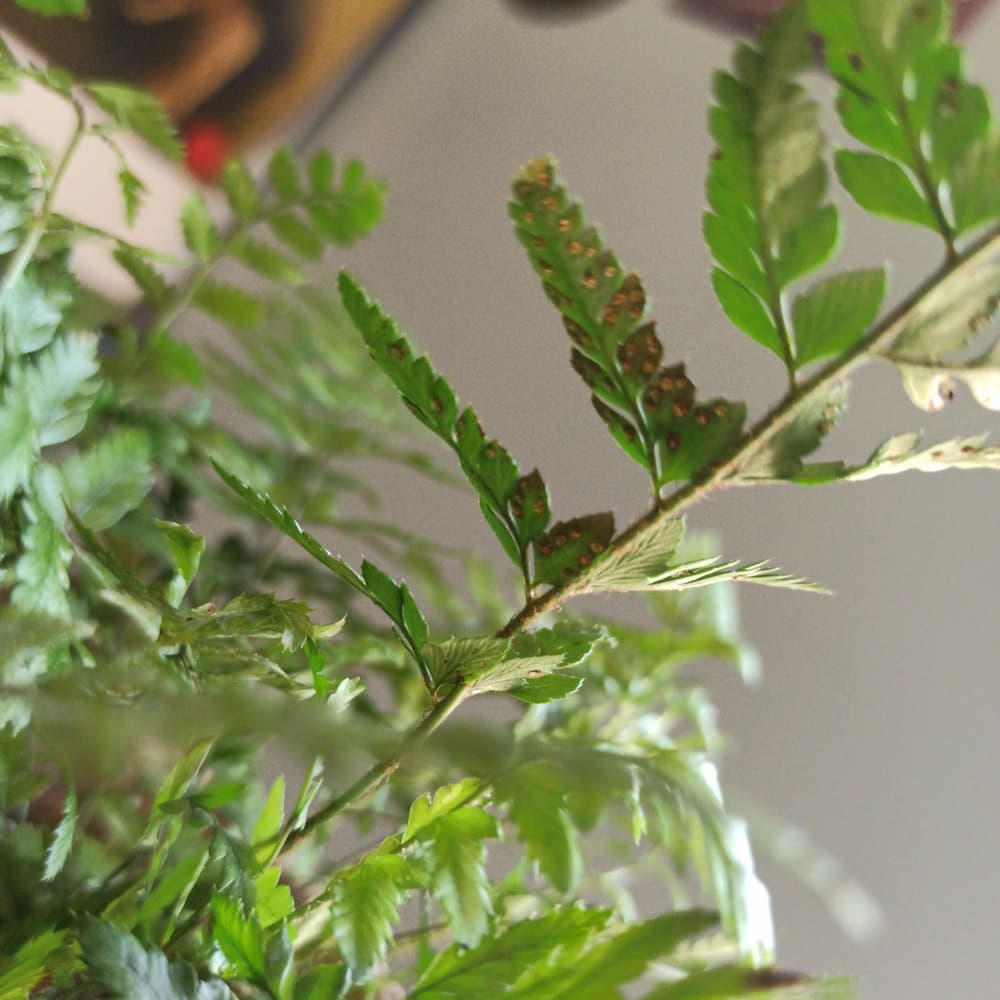
Ferns love shade and moisture, creating a harmonious environment alongside the Leatherleaf Tree. They provide excellent ground cover, which helps reduce weed competition.
Plant 3: Wintergreen
Wintergreen is a low-growing, evergreen plant that prefers acidic soils. It acts as a natural pest repellent while adding visual appeal to your garden.
🌿 Explanation of Similar Care Needs
These companion plants share similar requirements for soil type, moisture, and light conditions. Matching their growth habits is crucial to avoid competition and ensure a thriving ecosystem.
🐞 Discussion of Pest Repellent Properties
Certain companion plants can deter pests that threaten the Leatherleaf Tree. For instance, Blueberries can help repel aphids, while Wintergreen is known to ward off various harmful insects.
By choosing the right companions, you not only enhance the health of your Leatherleaf Tree but also create a vibrant, balanced garden. This thoughtful selection sets the stage for the next topic: understanding which plants to avoid near your Leatherleaf Tree.
Plants to Avoid Near Leatherleaf Tree
🌱 Description of Incompatible Plants
Plant 1: Common Buckthorn
Common Buckthorn is notorious for its aggressive growth. It competes fiercely for nutrients, making it a poor neighbor for the Leatherleaf Tree.
Plant 2: Certain Grasses
Certain grasses can be equally problematic. They have high water usage and can easily outcompete the Leatherleaf Tree for moisture.
🚫 Reasons for Incompatibility
The primary issue with these plants is their competition for resources. Both Common Buckthorn and certain grasses can drain nutrients and water that the Leatherleaf Tree needs to thrive.
Additionally, these plants can attract pests that may harm the Leatherleaf Tree. Keeping them at bay is crucial for maintaining the tree's health and vitality.
Understanding which plants to avoid is essential for creating a thriving garden environment. This knowledge sets the stage for exploring beneficial companion plants that can enhance the Leatherleaf Tree's growth and resilience.
Symbiotic Relationships in Companion Planting
🤝 Explanation of Symbiotic Relationships
Companion planting thrives on mutualistic interactions, where different plants support each other's growth. These relationships are crucial in gardening, enhancing overall plant health and resilience.
🌱 Examples of Beneficial Interactions
Companion plants can significantly boost the vitality of the Leatherleaf Tree. For instance, when paired with blueberries, the tree benefits from improved soil acidity, which is essential for its growth.
Another great example is ferns, which provide shade and moisture. This not only helps the Leatherleaf Tree thrive but also creates a microhabitat that supports beneficial insects.
Additionally, wintergreen can deter pests while adding visual appeal. Its evergreen nature offers year-round cover, making it a perfect companion.
These interactions often involve nutrient exchange, where one plant's waste products enrich the soil for another. This symbiosis fosters a balanced ecosystem, promoting healthier growth for all plants involved.
Understanding these relationships can transform your gardening approach. By choosing the right companions, you can create a thriving environment for your Leatherleaf Tree and its allies.
Next, let’s explore how companion planting can effectively manage pests in your garden.
Pest Management through Companion Planting
🐞 Overview of Pest Management Strategies
Integrated Pest Management (IPM) is a holistic approach to pest control. It combines various strategies to minimize pest impact while promoting a healthy ecosystem.
Companion plants play a vital role in this system. They can naturally deter pests, attract beneficial insects, and create a balanced environment for your Leatherleaf Tree.
🌱 Specific Pests and Companion Solutions
Common pests like aphids and spider mites can threaten your Leatherleaf Tree. Fortunately, certain companion plants can help mitigate these issues.
For instance, marigolds are known to repel aphids effectively. Similarly, planting garlic nearby can deter spider mites, providing a natural defense for your tree.
By incorporating these companion plants, you not only protect your Leatherleaf Tree but also enhance the overall health of your garden. This synergy fosters a thriving ecosystem, making your gardening experience more rewarding.
As we explore the next section, let's delve into the fascinating world of symbiotic relationships in companion planting.
⚠️ Safety First
This content is for general information and may contain errors, omissions, or outdated details. It is not medical, veterinary advice, or an endorsement of therapeutic claims.
Always consult a qualified healthcare professional before using any plant as food, medicine, or supplement.
Never eat any plant (or feed one to pets) without confirming its identity with at least two trusted sources.
If you suspect poisoning, call Poison Control (800) 222-1222, the Pet Poison Helpline (800) 213-6680, or your local emergency service immediately.
Spotted an error? Please report it here.
Boost your Leatherleaf Tree's health and growth with smart companion planting 🌱—let Greg guide you in choosing the best partners and provide tailored care tips for a thriving garden!