🍃 Leatherleaf Tree: Not an Annual
Chamaedaphne calyculata
By the Greg Editorial Team
Oct 15, 2024•5 min read
This article was created with the help of AI so we can cover more plants for you. May contain errors. See one? Report it here.
Unlock your garden's potential with the resilient Leatherleaf Tree, a true perennial powerhouse! 🌳🌼
- 🌳 Leatherleaf Tree is a perennial, thriving for over 20 years with seasonal growth.
- 💧 Leathery leaves minimize water loss, crucial for survival in diverse climates.
- 🌱 Deep roots absorb nutrients, enhancing stability and resilience in garden ecosystems.
Genetic and Physiological Characteristics
Long-term Lifecycle 🌳
The Leatherleaf Tree is a remarkable perennial, often living for decades and frequently exceeding 20 years. Its lifecycle includes three distinct growth phases: juvenile, mature, and senescent, each contributing to its resilience and adaptability.
Growth Patterns 🍃
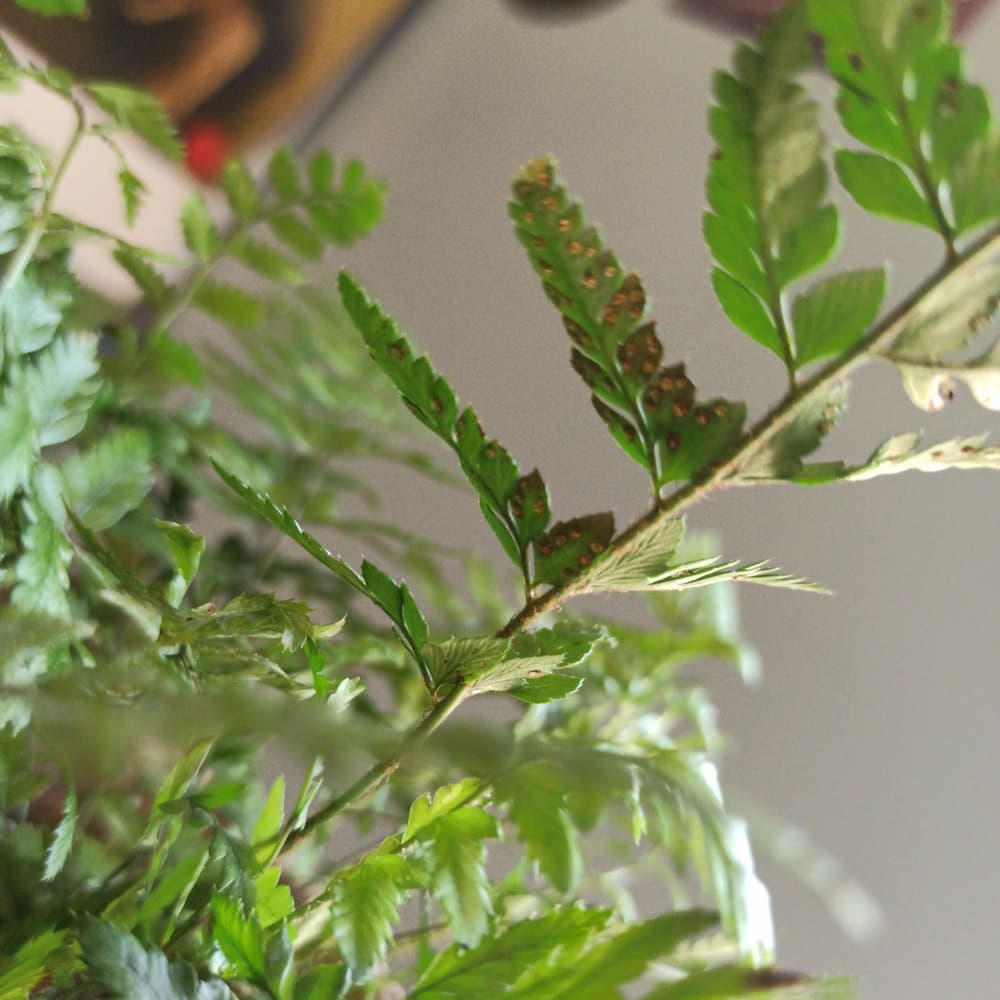
One of the tree's standout features is its leathery leaves, which significantly reduce water loss. This adaptation is crucial for survival, especially in varying climates.
The root system of the Leatherleaf Tree is deep and robust, allowing it to absorb essential nutrients and moisture from the soil. This strong foundation supports its longevity and overall health.
Reproductive Strategies 🌼
Flowering in the Leatherleaf Tree occurs during specific seasons, often influenced by environmental conditions. This timing ensures that the tree maximizes its chances for successful reproduction.
Moreover, the tree produces seeds over multiple years, enhancing its survival and propagation. This strategy allows it to thrive in diverse environments, making it a resilient choice for gardeners and landscapers alike.
As we explore the lifecycle differences between the Leatherleaf Tree and true annuals, you'll see how its unique characteristics set it apart in the plant kingdom.
Lifecycle Differences
Comparison with True Annuals 🌱
The Leatherleaf Tree showcases a stark contrast to true annuals in its growth cycles. While annuals thrive on a seasonal growth pattern, perennials like the Leatherleaf engage in year-round growth, adapting to their environment.
Perennials also experience dormancy during unfavorable conditions, such as extreme temperatures or drought. In contrast, annuals complete their life cycle within a single growing season, making them less resilient to environmental changes.
Impact on Growth and Flowering 🌼
The timing of flowering in perennials can be quite variable. Factors such as age and environmental conditions play a significant role in when the Leatherleaf Tree blooms.
Additionally, the growth rate of the Leatherleaf Tree is generally slower in its early stages compared to the rapid growth seen in annuals. This slower start allows for a more robust structure over time, contributing to its longevity.
Seed Production Differences 🌾
When it comes to seed viability, perennials have the upper hand. Leatherleaf Tree seeds can remain dormant for extended periods, ensuring survival through adverse conditions.
On the other hand, annuals tend to produce a larger quantity of seeds in a shorter timeframe. This strategy allows them to quickly populate an area, but it also means they rely heavily on favorable conditions for success.
Understanding these lifecycle differences is crucial for gardeners and nature enthusiasts alike. It highlights the unique resilience of the Leatherleaf Tree and sets the stage for exploring its implications in garden design.
Misconceptions and Exceptions
🌱 Conditions Leading to Misclassification
Misunderstandings about the Leatherleaf Tree often stem from environmental stressors. Poor soil quality or drought can stunt its growth, making it appear more like an annual than the resilient perennial it truly is.
Improper care can also lead to misclassification. If the tree isn't nurtured correctly, it may not exhibit its full perennial characteristics, leading to confusion about its lifecycle.
🌍 Regional Variations
Climate plays a significant role in how the Leatherleaf Tree behaves. In harsher climates, it may show annual-like traits, adapting to survive in less-than-ideal conditions.
Soil conditions further influence its growth and longevity. Variations in soil type can affect nutrient availability, ultimately impacting the tree's health and lifespan.
Understanding these nuances helps clarify the true nature of the Leatherleaf Tree, ensuring it’s appreciated for its perennial qualities. As we explore its garden design implications next, keep these factors in mind for a thriving landscape.
Garden Design Implications
Advantages in Perennial Planting 🌼
Choosing perennials like the Leatherleaf Tree is a smart, long-term investment. With fewer replacements needed compared to annuals, you save time and money while enjoying a stable garden.
Perennials also offer significant ecological benefits. They support local wildlife, providing habitats and food sources that enhance biodiversity in your garden.
Strategies for Integration 🌿
Companion planting is a fantastic way to create a cohesive look. Pairing the Leatherleaf Tree with other perennials can enhance visual appeal and promote healthier growth through mutual support.
Planning for seasonal interest is crucial for year-round beauty. By considering the varied growth stages of your plants, you can ensure your garden remains vibrant and engaging throughout the seasons.
Incorporating these strategies will not only beautify your space but also foster a thriving ecosystem. As you design your garden, remember that each choice contributes to a larger narrative of growth and sustainability.
Management Tips for Longevity
Best Practices 🌱
To ensure your Leatherleaf Tree thrives, start with the right soil. It prefers well-draining, moisture-retentive soil types, which are essential for its health.
Next, establish a consistent watering schedule. Regular watering during dry spells is crucial, but be cautious to avoid waterlogging, which can harm the roots.
Maximizing Longevity and Health 🌳
Pruning is another key practice. Regularly remove dead or damaged leaves to encourage healthy growth and maintain the tree's vigor.
Additionally, consider using organic fertilizers. They enhance soil health and provide the nutrients your Leatherleaf Tree needs to flourish.
By following these management tips, you can enjoy a thriving Leatherleaf Tree that adds beauty and longevity to your garden. Next, let’s explore the advantages of incorporating this perennial into your garden design.
⚠️ Safety First
This content is for general information and may contain errors, omissions, or outdated details. It is not medical, veterinary advice, or an endorsement of therapeutic claims.
Always consult a qualified healthcare professional before using any plant as food, medicine, or supplement.
Never eat any plant (or feed one to pets) without confirming its identity with at least two trusted sources.
If you suspect poisoning, call Poison Control (800) 222-1222, the Pet Poison Helpline (800) 213-6680, or your local emergency service immediately.
Spotted an error? Please report it here.
Nurture your Leatherleaf Tree for decades of beauty 🌿 with Greg's tailored watering schedules and care tips that keep your garden thriving all year long!