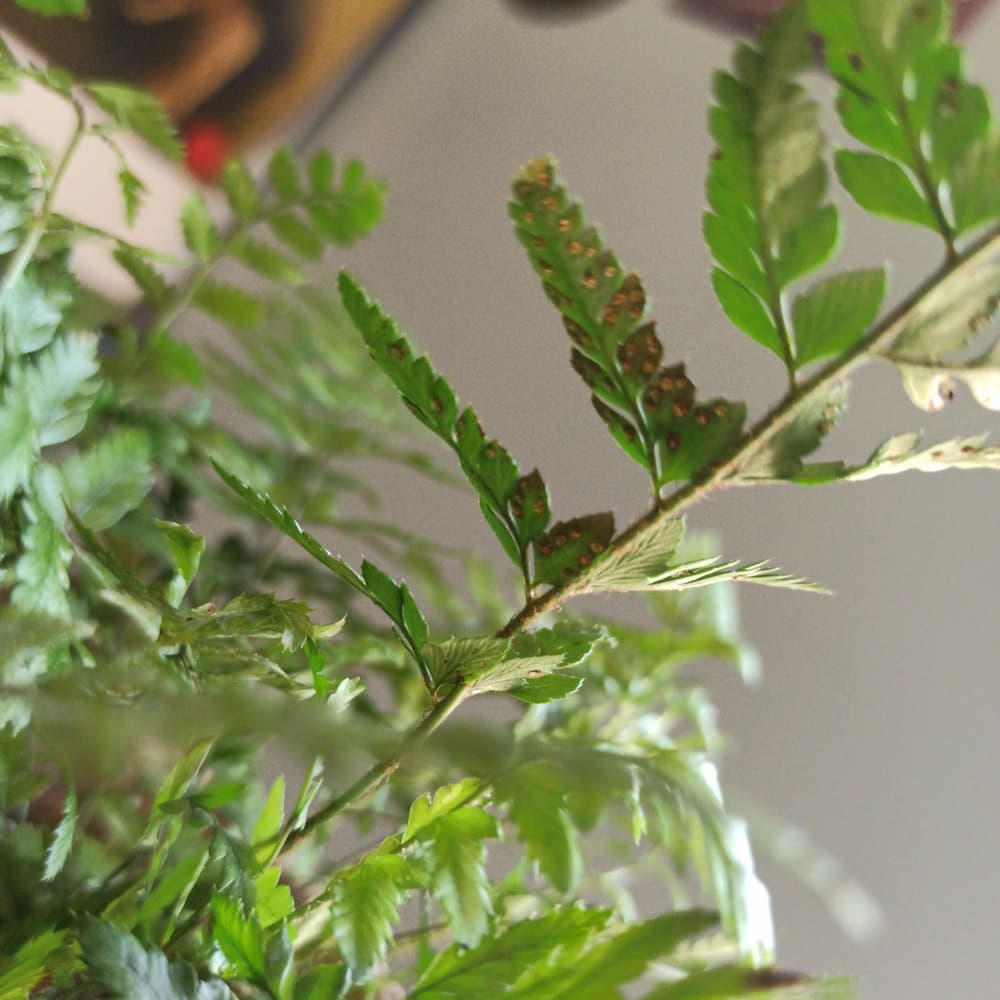
🌳 Best Spots to Plant Your Leatherleaf Tree
Chamaedaphne calyculata
By the Greg Editorial Team
Oct 15, 2024•5 min read
This article was created with the help of AI so we can cover more plants for you. May contain errors. See one? Report it here.
Cultivate a thriving Leatherleaf Tree by mastering its sunlight and soil needs! 🌱
- 🌞 Leatherleaf Trees need 6-8 hours of sunlight for optimal growth and health.
- 🌱 Loamy, well-drained soil with pH 6.0-7.0 is ideal for thriving trees.
- 🏡 Space trees 10-15 feet apart to avoid competition and structural damage.
Sunlight Exposure Requirements
Full Sun to Partial Shade 🌞
When planting your Leatherleaf Tree, consider its sunlight preferences, which can vary based on local climate conditions. Ideally, this tree thrives with 6-8 hours of direct sunlight each day.
In hotter climates, it can tolerate partial shade, making it a versatile choice for various garden settings. Keep an eye on the tree's leaf color and growth patterns; these indicators will help you assess whether it's getting the right amount of light.
Importance of Monitoring 🔍
Regularly monitoring your Leatherleaf Tree is crucial. If the leaves appear pale or growth seems stunted, it may need more sunlight.
Conversely, if the leaves are scorched or crispy, it might be time to adjust its exposure. Understanding these signs will ensure your tree remains healthy and vibrant.
Conclusion 🏁
By paying attention to sunlight exposure, you can create an ideal environment for your Leatherleaf Tree. This foundational step sets the stage for its overall growth and vitality, paving the way for the next important aspect: soil type preferences.
Soil Type Preferences
Best Soil Conditions 🌱
For your Leatherleaf Tree to thrive, loamy, well-drained soils are the gold standard. These soils provide the perfect balance of moisture retention and drainage, ensuring your tree gets the nutrients it needs without drowning.
Adaptability to Various Soil Types 🌍
One of the great things about the Leatherleaf Tree is its adaptability. It can grow in sandy and clay soils, making it a versatile choice for different garden environments.
pH Preferences ⚗️
Aim for a slightly acidic to neutral pH, ideally between 6.0 and 7.0. This range supports optimal nutrient uptake, helping your tree flourish.
Avoiding Waterlogged Areas 🚫💧
Waterlogged conditions can spell disaster for your Leatherleaf Tree. Always choose planting spots that drain well to prevent root rot, which can quickly undermine your tree's health.
By understanding these soil preferences, you can set your Leatherleaf Tree up for success. Next, let’s explore how to assess the best spot for planting, considering factors like garden layout and microclimates.
Proximity to Structures and Other Plants
🌳 Height and Spacing Considerations
When planting your Leatherleaf Tree, keep in mind that it can reach heights of up to 30 feet. This impressive vertical growth means you need to plan for ample space above and around it.
To reduce competition for resources, maintain a distance of at least 10-15 feet from other large plants. This spacing allows your tree to thrive without being overshadowed.
🏢 Avoiding Damage to Structures
It's crucial to avoid planting too close to buildings. The roots of the Leatherleaf Tree can cause damage over time, and adequate airflow is essential for the tree's health.
Consider the long-term implications of your planting decisions. A little foresight can save you from potential headaches down the road.
🌼 Creating a Harmonious Garden Space
Think about how your Leatherleaf Tree will interact with its surroundings. Proper spacing not only benefits the tree but also enhances the overall aesthetic of your garden.
By planning wisely, you can create a vibrant, thriving space that showcases the beauty of your Leatherleaf Tree while ensuring it has the room it needs to flourish.
🔄 Transitioning to the Next Topic
With the right spacing and placement in mind, the next step is to assess your garden layout. Understanding how to evaluate your garden's design will help you find the perfect spot for your Leatherleaf Tree.
Assessing the Best Spot
🏡 Evaluating Garden Layout
When planting your Leatherleaf Tree, start by assessing your overall garden design. This ensures optimal placement, allowing the tree to thrive without overshadowing or being overshadowed by surrounding plants.
Consider how nearby plants will affect light and space. A well-planned layout can enhance growth and create a harmonious garden environment.
🌤️ Identifying Microclimates
Next, identify microclimates within your garden. These are areas with varying light, temperature, and moisture levels that can significantly impact plant health.
Utilize sheltered spots for better growth, especially in windy areas. The right location can make all the difference in your tree's development.
🌬️ Considering Drainage and Wind Protection
Drainage is crucial for your Leatherleaf Tree's health. Identify areas with good drainage to prevent water accumulation, which can lead to root rot.
Additionally, the dense foliage of the Leatherleaf Tree can provide wind protection for other plants. This natural shield helps create a more stable environment for your garden.
By carefully assessing these factors, you can ensure your Leatherleaf Tree has the best chance to flourish. Next, let's explore common location challenges and how to overcome them.
Common Location Challenges
🌞 Addressing Shade vs. Sun Exposure
Finding the right balance of sunlight is crucial for your Leatherleaf Tree. Identify areas in your garden that receive adequate sun exposure throughout the day, ideally 6-8 hours.
If surrounding plants cast too much shade, consider pruning them back. This simple action can significantly increase light availability for your tree.
🚰 Solutions for Poor Drainage Areas
Poor drainage can be detrimental to your Leatherleaf Tree's health. Look for signs of standing water or overly saturated soil, as these indicate drainage issues.
To combat this, consider using raised beds. Alternatively, amending the soil with organic matter can improve drainage and promote healthier root growth.
🌱 Managing Competition with Other Plants
Nearby plants can compete for essential nutrients and light, impacting your Leatherleaf Tree's growth. Evaluate how these plants interact with your tree to ensure it thrives.
Choosing companion plants with similar light and water needs can minimize competition. This thoughtful selection fosters a harmonious garden ecosystem, benefiting all plants involved.
By addressing these common location challenges, you can create an ideal environment for your Leatherleaf Tree to flourish. Next, let’s explore how to assess the best spot for planting, ensuring your tree has everything it needs to thrive.
⚠️ Safety First
This content is for general information and may contain errors, omissions, or outdated details. It is not medical, veterinary advice, or an endorsement of therapeutic claims.
Always consult a qualified healthcare professional before using any plant as food, medicine, or supplement.
Never eat any plant (or feed one to pets) without confirming its identity with at least two trusted sources.
If you suspect poisoning, call Poison Control (800) 222-1222, the Pet Poison Helpline (800) 213-6680, or your local emergency service immediately.
Spotted an error? Please report it here.
Unlock the full potential of your Leatherleaf Tree by planting it in the right spot and using Greg's tailored care reminders to ensure it thrives in optimal sunlight and soil conditions! 🌞 Grow your garden smarter!