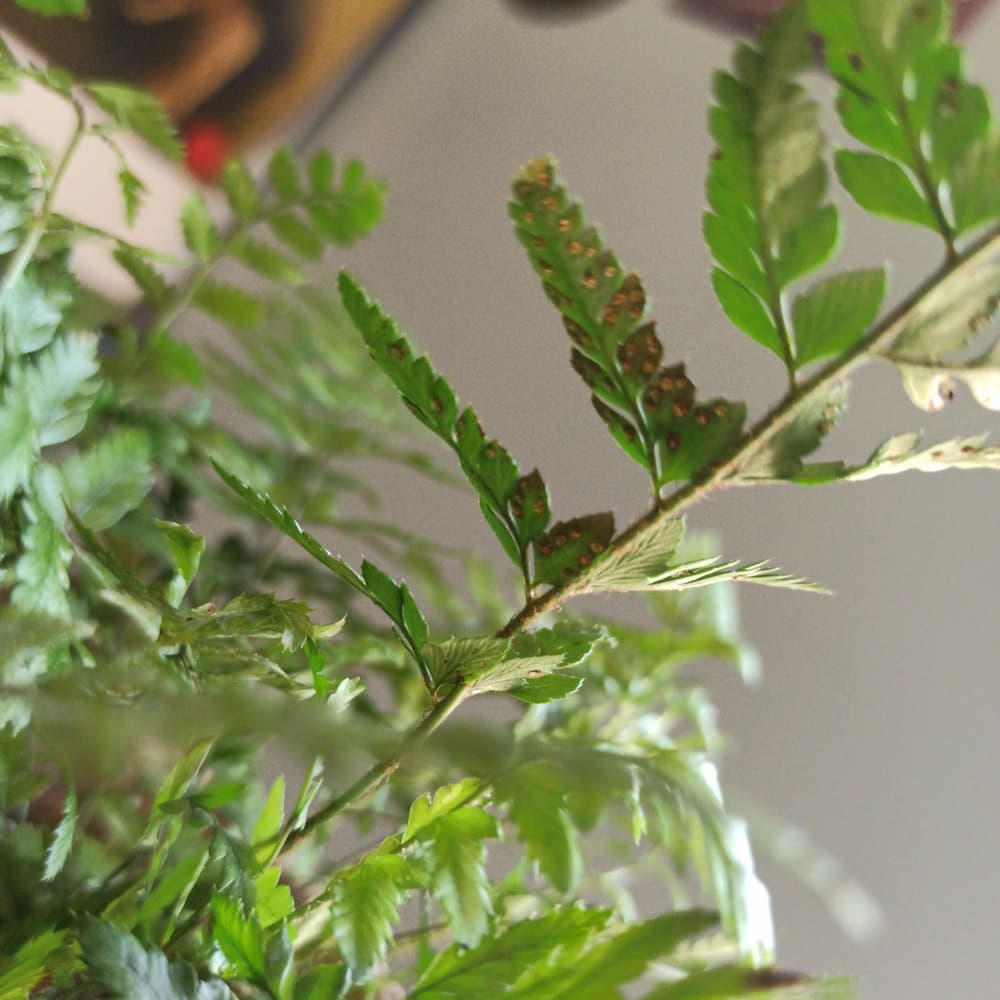
Leatherleaf - Ultimate Guide to Fertilizing
Chamaedaphne calyculata
By the Greg Editorial Team
Apr 26, 2024•4 min read
This article was created with the help of AI so we can cover more plants for you. May contain errors. See one? Report it here.
Boost your Leatherleaf's bloom and vigor with our precise fertilizing tips! 🌿✨
- NPK ratios matter for Leatherleaf's leaves, blooms, and health.
- Spring fertilization is key, with a post-bloom nutrient boost.
- 🌱 Over-fertilization signs: yellow leaves, leaf burn, crusty soil.
Picking the Perfect Fertilizer for Your Leatherleaf
💪 Understanding NPK Ratios for Blooming Leatherleafs
Leatherleafs flourish with precise NPK ratios. Nitrogen (N) is your go-to for vibrant leaves, phosphorus (P) for robust blooms, and potassium (K) for overall plant health. A pale leaf or sluggish growth screams for more nitrogen.
🌿 The Best Fertilizers for Acid-Loving Leatherleafs
Acid-loving Leatherleafs demand fertilizers that respect their pH preferences. Look for products tailored to acidophiles, ensuring your Leatherleaf doesn't just survive but thrives.
🌱 Organic vs. Synthetic: Which Way to Go for Blooms?
Organic fertilizers are a slow release squad, nurturing soil health gradually. Synthetics are the sprinters, offering a swift nutrient surge. Your choice should align with your plant care ethos and your Leatherleaf's immediate needs. But beware, synthetics can cause nutrient burn if you get heavy-handed.
Timing is Everything: When to Feed Your Leatherleaf
🌱 Spring Awakening: Fertilizing for New Growth
Spring's arrival is crunch time for Leatherleaf fertilization. As the frost bids adieu and the first green shoots wink at you, it's time to feed. Early March typically marks the calendar for this nutrient nudge, aligning with the plant's natural growth spurt. It's about setting the stage for that leafy grandeur and the promise of blooms.
🌸 Post-Bloom Boost: When to Offer a Second Helping
Once the Leatherleaf's showy display of blooms has taken its final bow, it's not curtains yet. A post-bloom boost is your encore performance, ensuring the plant stays in top form. This usually happens in late spring or early summer, just as the flowers fade and the applause dies down. It's like a pat on the back for a job well done, prepping your Leatherleaf for the next act.
The Right Way to Serve Up Nutrients
💧 Measuring for Success: How Much Fertilizer Does Leatherleaf Need?
Precision is your best friend when it comes to fertilizing Leatherleaf. It's like baking; too much or too little can spoil the outcome. Stick to the recommended dosage on the fertilizer label, and consider a soil test to tailor your approach. Overzealousness with the fertilizer bag won't win you any plant-parent points.
🎨 The Art of Application: Techniques for Even Distribution
Think of fertilizer application as an art form. You're aiming for a Monet, not a Pollock. Granular fertilizers should be sprinkled around the plant's base, not piled up against the stem like a termite mound. For liquid types, a hose-end sprayer can be your magic wand, ensuring every root gets a sip, not a drenching. Remember, it's a meal, not a food fight.
💦 Liquid Love: The Lowdown on Water-Soluble Fertilizers
Liquid fertilizers are the quick fix of the plant world, but they're no less sophisticated. Use a measuring syringe for accuracy, and always dilute as if you're mixing a delicate potion for your beloved greens. Apply to moist soil to avoid shocking the roots—think of it as serving a warm soup rather than hurling ice water.
Recognizing the Signs of Too Much of a Good Thing
🚨 Spotting Trouble: Early Signs of Over-Fertilization
Leatherleaf plants are not immune to the dangers of overzealous fertilizing. Yellowing leaves, particularly the lower ones, can be a distress signal. If you notice leaf burn, where the tips and edges appear scorched, it's time to reassess your feeding routine. A white, crusty layer on the soil surface is a telltale sign of salt buildup from excess fertilizer.
💪 The Recovery Plan: Helping Your Leatherleaf Bounce Back
When you've crossed the line into over-fertilization, it's not the end of the world. Cease all fertilization immediately—your plant needs a break. Start the recovery by flushing the soil with water to dilute the excess nutrients; this may need to be repeated a few times. Pruning damaged foliage is a tough love approach, but necessary. In extreme cases, repotting in fresh soil can be the clean slate your Leatherleaf needs. Remember, moderation is your new mantra—when you resume fertilizing, opt for a half-strength solution to avoid a repeat mishap. Keep a close eye on new growth—it's the green light that your Leatherleaf is on the mend.
⚠️ Safety First
This content is for general information and may contain errors, omissions, or outdated details. It is not medical, veterinary advice, or an endorsement of therapeutic claims.
Always consult a qualified healthcare professional before using any plant as food, medicine, or supplement.
Never eat any plant (or feed one to pets) without confirming its identity with at least two trusted sources.
If you suspect poisoning, call Poison Control (800) 222-1222, the Pet Poison Helpline (800) 213-6680, or your local emergency service immediately.
Spotted an error? Please report it here.
Achieve perfect fertilization 🌱 for your Leatherleaf with Greg's precise reminders and tailored care tips, ensuring vibrant growth without the risk of overdoing it.