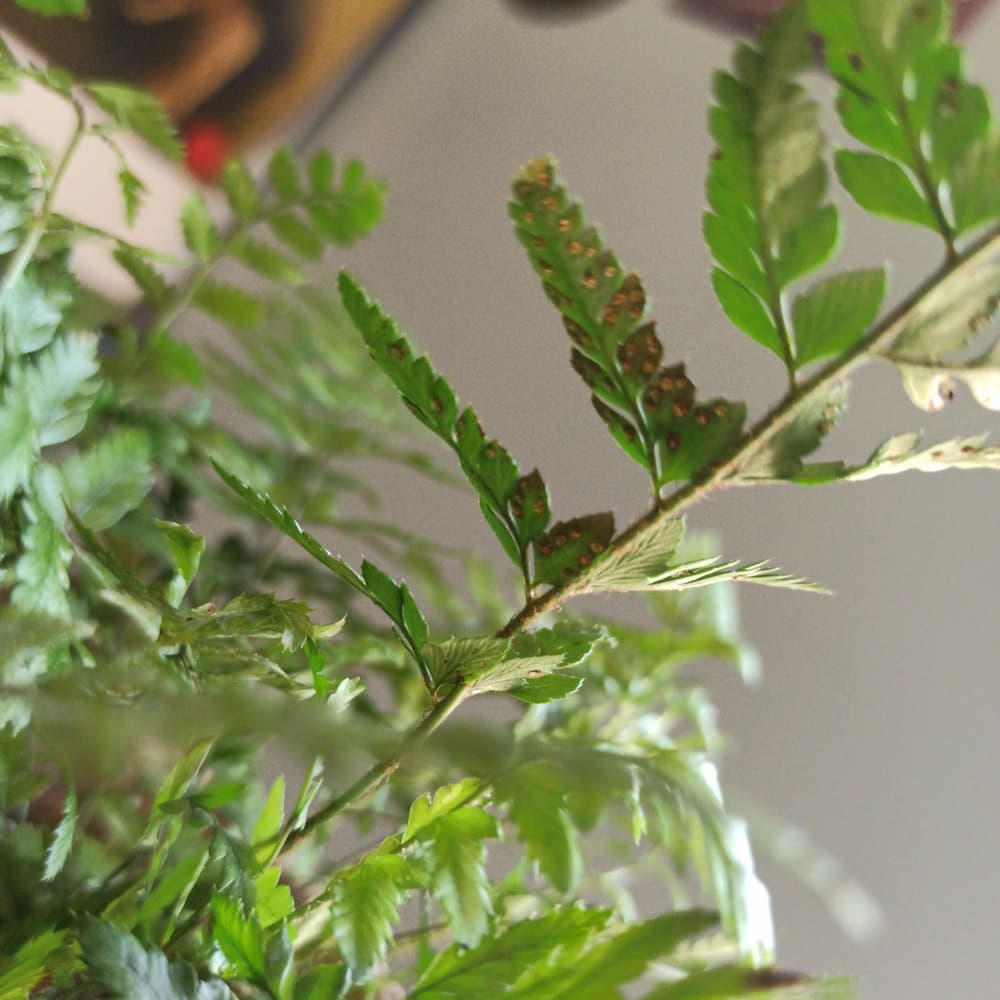
Should I Repot My Leatherleaf And If So, How?
Chamaedaphne calyculata
By the Greg Editorial Team
Apr 26, 2024•5 min read
This article was created with the help of AI so we can cover more plants for you. May contain errors. See one? Report it here.
Ensure your Leatherleaf flourishes 🌿 by mastering the timely art of repotting.
- 🌱 Repot when roots overgrow or water balance is off.
- 🌼 Repot in spring, not bloom time, to boost growth.
- 🏺 Choose the right pot and post-care for a thriving Leatherleaf.
Spotting the Tell-Tale Signs for Repotting
🌱 Root Talk: When Roots Outgrow Their Home
Roots peeking through drainage holes are screaming for space. If you spot a root escape act, it's time to repot. A dense root network visible at the soil's surface or circling the pot interior is another clear sign. These roots aren't just being clingy; they're root-bound.
💧 Water Woes: Drainage Issues and What They Mean
Watering should be straightforward, but if it's pooling on top or vanishing faster than your weekend, take note. These symptoms suggest your Leatherleaf's roots have gone rogue, disrupting moisture balance. It's not just quirky plant behavior; it's a distress signal for a roomier residence.
🌱 Growth Gaps: When Your Leatherleaf Stops Thriving
When your Leatherleaf's growth hits a snail's pace, it's not just being lazy. A growth halt can indicate it's cramped and can't stretch its roots. If your plant's size has plateaued but the pot hasn't budged, it's a subtle hint that it's time to upgrade its living quarters.
Timing is Everything: When to Repot Your Leatherleaf
🌱 Spring into Action: Capitalizing on Growth Seasons
Spring is the sweet spot for repotting your Leatherleaf. This season is all about new beginnings, and your plant is no exception. It's primed for growth, making it the ideal time to introduce it to a new pot. Roots are raring to expand and will adapt more quickly to their new environment during this period of natural vigor.
🚫 Avoiding the Bloom Blunder: Why Flowering Time is a No-Go
Don't even think about repotting while your Leatherleaf is blooming. It's like throwing a wrench in the works during the plant's showtime. Wait until the flowers have taken their final bow. Post-bloom, the plant is more focused on root and foliage development, which is perfect for transitioning to a new pot.
The Repotting Rundown: A Step-by-Step Guide
🌿 Out with the Old: Removing Your Plant Safely
First things first, water your Leatherleaf the day before repotting. This makes the roots more cooperative. When it's go-time, tip the pot sideways and gently coax the plant out. If it resists, don't wage war—squeeze the pot's sides or roll it to loosen the soil's embrace.
🌱 Root TLC: Pruning and Prepping for a New Home
Now, inspect the roots like a detective at a crime scene. Snip off any dead or brown roots with sterilized shears—think surgical precision. Untangle the healthy ones, but treat them like VIPs at a club; no rough handling.
🏡 In with the New: Potting Mix and Planting Techniques
Choose a pot that's one size up—your Leatherleaf dislikes cramped dance floors. Partially fill it with a well-draining potting mix; your plant hates wet feet. Place your plant in, ensuring it's not buried deeper than before—think shallow swimming pool, not deep sea diving. Fill in the gaps with more mix, but don't compress it—roots aren't fans of tight spaces. Water thoroughly to settle the roots and eliminate air pockets—imagine giving your plant a welcome drink at its new home.
Picking the Perfect Pot
💡 Material Matters: Terracotta vs. Plastic vs. Ceramic
When it comes to choosing a pot for your Leatherleaf, material is key. Terracotta is the classic choice, known for its breathability which helps prevent overwatering by allowing soil to dry out more quickly. It's ideal if you're heavy-handed with the watering can. However, it's fragile and can crack if you look at it the wrong way.
Plastic pots are the low-budget, low-maintenance option. They're lightweight and won't shatter if you drop them. But they're like that friend who never knows when to leave; they hold onto moisture for too long, which can lead to root rot if you're not careful.
Ceramic pots are the divas of the pot world—stylish and sturdy, but they come with a price tag. They offer moderate breathability and are less prone to drying out than terracotta. Just make sure they have drainage holes, or you'll be in for a soggy surprise.
💡 Size It Up: Finding the Right Fit for Your Leatherleaf
Size matters. A pot that's too big is like an oversized coat; it can leave your Leatherleaf swimming in soil, which can lead to waterlogging and root disease. Too small, and your plant's growth will be stifled, like a giant in a dollhouse.
A good rule of thumb is to choose a pot that's about 2 inches larger in diameter than the current one. This gives your plant room to grow without drowning in excess soil. And always, always, make sure there are drainage holes. Your Leatherleaf's roots despise soggy feet.
Post-Repotting Care: The First Few Weeks
💧 Watering Wisdom: Hydration without the Harm
After repotting, water management is critical. Begin with a generous watering to settle the roots into their new abode. Then, enter a phase of restraint; allow the topsoil to dry slightly before the next watering. Check moisture by probing an inch into the soil with your finger—if it's dry, it's time for a drink. Overwatering is a rookie mistake that can lead to root rot, so keep it on the drier side to start.
Settling In: Monitoring and Adjusting Care Post-Repotting
Your Leatherleaf is now in a delicate state of flux, so keep a vigilant eye on it. Look for signs of distress like yellowing leaves or a droopy demeanor, which could indicate watering missteps or lighting errors. Adjust care as needed, but don't rush to fertilize; your plant is still healing. Instead, focus on providing bright, indirect light and the right amount of water. It's a bit like babysitting a moody teenager—you need to be attentive but not smothering.
⚠️ Safety First
This content is for general information and may contain errors, omissions, or outdated details. It is not medical, veterinary advice, or an endorsement of therapeutic claims.
Always consult a qualified healthcare professional before using any plant as food, medicine, or supplement.
Never eat any plant (or feed one to pets) without confirming its identity with at least two trusted sources.
If you suspect poisoning, call Poison Control (800) 222-1222, the Pet Poison Helpline (800) 213-6680, or your local emergency service immediately.
Spotted an error? Please report it here.
Ensure your Leatherleaf has the space to flourish 🌿 with Greg's personalized reminders and tips for the perfect repotting season.