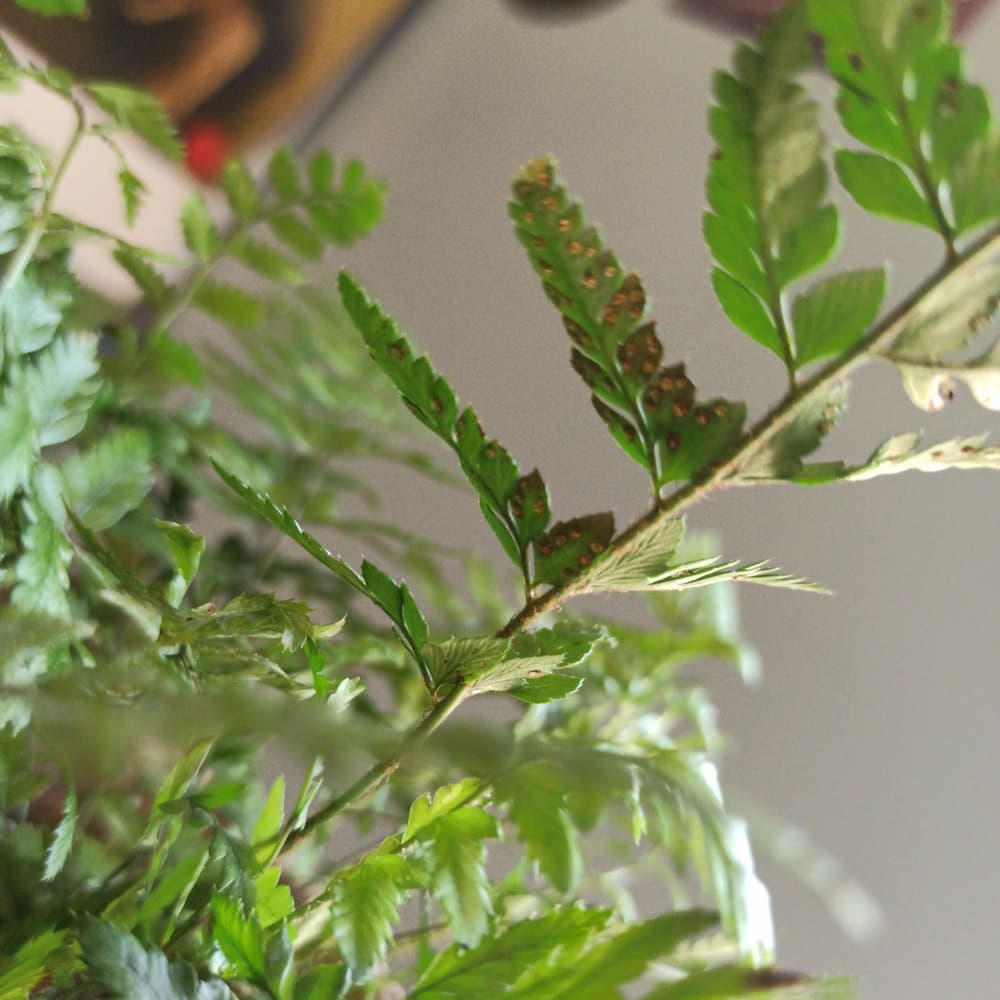
Diagnosing Leatherleaf Root Rot
Chamaedaphne calyculata
By the Greg Editorial Team
Apr 26, 2024•3 min read
This article was created with the help of AI so we can cover more plants for you. May contain errors. See one? Report it here.
Stop leatherleaf root rot 🍂 in its tracks with these essential detection and prevention tips!
- 🍂 Yellow leaves and wilting signal leatherleaf root rot.
- Overwatering and poor drainage are root rot's main causes.
- Immediate action: Remove rotted roots, use fungicide, and repot with well-draining soil.
Spotting the Red Flags: Symptoms of Root Rot in Leatherleaf
🚩 Visual Clues
Yellowing leaves are your leatherleaf's way of waving a white flag. If you notice this alongside wilting, it's not just being dramatic—it's likely in trouble. Stunted growth is another telltale sign; if your plant's growth has plateaued, it's time to play plant detective.
🕵️ Below the Surface
To confirm your suspicions, you'll need to get your hands dirty. Inspect the roots: they should be firm and a healthy light color. If they're soft and dark, you've got a classic case of root rot. And don't underestimate the power of your nose—a foul smell is a dead giveaway that your plant's roots are more than just under the weather.
Unearthing the Problem: Causes of Root Rot in Leatherleaf
💧 Water Woes
Overwatering and poor drainage are the prime culprits behind root rot in Leatherleaf. These conditions create a perilous environment for roots, akin to a plant's version of waterboarding. Roots drown in excess moisture, deprived of the oxygen they desperately need to survive.
🍄 Fungal Foes
The role of pathogens like Phytophthora and Pythium cannot be overstated. These fungi thrive in wet soil, turning healthy roots into mushy, decaying messes. It's a silent onslaught that can devastate Leatherleaf if not addressed promptly.
First Response: Immediate Steps to Alleviate Root Rot
🚑 Root Triage
When Leatherleaf shows signs of root rot, act swiftly. First, stop all watering to prevent further damage. Isolate the plant to protect its neighbors. Gently remove the plant from its pot and shake off the soil for a clear view of the roots. With sterilized shears, cut away the rotted roots; they'll be soft, brown, and potentially smelly. Aim to keep only the firm, white roots. After the amputation, disinfect the remaining roots with a copper-based fungicide to prevent further infection.
🌱 Soil and Pot Overhaul
Next, toss the old soil—it's compromised. Clean the pot with a bleach solution, or better yet, get a new one. When choosing a pot, think "breathability"; ample drainage holes are a must. Fill the pot with fresh, well-draining soil to give your plant a new lease on life. When repotting, handle the roots as if they're fine china—gentle and with care. Resist the urge to water right away; let the plant acclimate to its new home first. Remember, overwatering is often the root of the problem, so adjust your watering habits accordingly.
Turning the Tide: Long-Term Strategies to Prevent Root Rot
💧 Watering Wisdom
Fine-tuning your watering habits is like calibrating a delicate instrument—it's essential for the health of your Leatherleaf. Moisture meters are your secret weapon in this endeavor, providing a digital readout to back up the trusty finger test. Remember, the goal is to keep the soil moist but not soggy—think of a wrung-out sponge, not a drenched towel.
🌬️ Environmental Vigilance
Air circulation isn't just about a gentle breeze; it's about giving your plant room to breathe. Prune regularly to prevent a thicket where dampness can lurk. Humidity control is another pillar of plant health—too much moisture in the air is like a welcome mat for fungi. Use a hygrometer to keep tabs on humidity levels, and adjust as needed to keep things just right.
⚠️ Safety First
This content is for general information and may contain errors, omissions, or outdated details. It is not medical, veterinary advice, or an endorsement of therapeutic claims.
Always consult a qualified healthcare professional before using any plant as food, medicine, or supplement.
Never eat any plant (or feed one to pets) without confirming its identity with at least two trusted sources.
If you suspect poisoning, call Poison Control (800) 222-1222, the Pet Poison Helpline (800) 213-6680, or your local emergency service immediately.
Spotted an error? Please report it here.
Prevent root rot 🚫 in your leatherleaf by letting Greg fine-tune your watering habits with custom reminders and expert care tips!