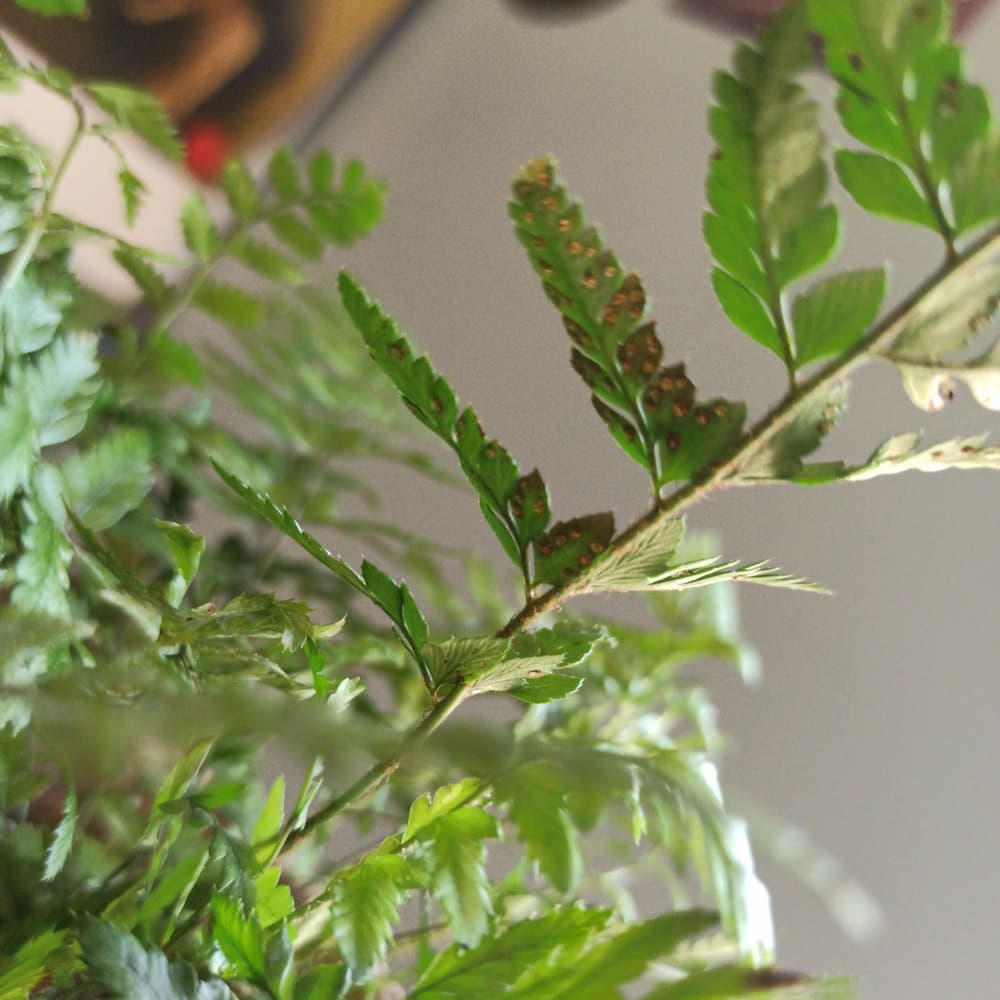
How Often Should I Water My Leatherleaf?
Chamaedaphne calyculata
By the Greg Editorial Team
Apr 26, 2024•3 min read
This article was created with the help of AI so we can cover more plants for you. May contain errors. See one? Report it here.
Unlock your leatherleaf's lush potential 🌿 by nailing the perfect watering schedule!
- Check soil moisture with the finger test before watering.
- Adjust watering seasonally: more in summer, less in winter.
- Observe plant's response to fine-tune your watering schedule.
Spotting Your Leatherleaf's 'Give Me Water' Signs
💧 Checking the Soil's Mood
Soil moisture is your leatherleaf's secret tell. Before you water, perform the finger test: stick your finger into the soil up to the second knuckle. If it's dry, your plant's parched. For the tech-savvy, a soil moisture meter can provide a precise reading. Remember, leatherleafs detest soggy conditions, so ensure your soil is well-draining to avoid the dreaded soggy feet.
🌿 Reading the Leaves
Leaves don't lie. If they're drooping like they've just heard bad news, it's time to hydrate. Crispy leaves? That's a cry for help. Your leatherleaf is more straightforward than most; it shows exactly what it needs. Adjust your watering habits based on these visual cues and watch your plant perk up, thanking you for not leaving it thirsty.
When to Water: Leatherleaf's Love Language
💦 Seasonal Sips and Gulps
In the summer, your leatherleaf is a thirsty beast, guzzling water like there's no tomorrow. The sun's relentless rays mean more frequent watering—think of it as your plant's personal oasis. Winter, on the other hand, is a time for restraint. Your leatherleaf's water needs drop as it enters a more dormant phase. You might find yourself watering just once every few weeks, or even less, depending on the plant's environment.
🌡️ The Heat is On: Temperature and Humidity Tango
Indoor climates are a dance floor where temperature and humidity lead the waltz. Crank up the heat in winter, and your leatherleaf might get thirstier than expected. Summer's air conditioning can have the opposite effect, leaving the soil moist for longer. Stay attuned to these rhythms, and adjust your watering routine to the beat of your home's climate.
Pouring Techniques: Quenching Thirst Without Drowning
💧 The Right Way to Water
Watering your leatherleaf should feel like a ritual, not a chore. Circle the base with water, targeting the soil to encourage roots to dive deep. Keep the leaves out of this; they're not the ones thirsty. This approach minimizes the risk of fungal parties and leaf sunburn.
🚱 Avoiding the Dreaded Overwatering
To sidestep the swampy pitfalls of overwatering, think of your watering can as a precision instrument, not a rain cloud. Wait for the top two inches of soil to dry out, then water slowly and deeply. This ensures the roots get their fill without turning the pot into a no-go zone for healthy growth.
Fine-Tuning Your Watering Schedule
🌱 Observing and Adapting
Keep an eye on your leatherleaf's response post-watering. Leaves perking up? You've nailed it. But if they're still droopy or, worse, crispy, it's time to rethink your approach.
Adjusting the watering frequency is not about sticking to a calendar but responding to your plant's needs. If the leaves are browning or the soil feels like a wet sponge, you've gone too far. Dial it back.
🔄 When to Tweak the Watering Frequency
Your leatherleaf's health is the ultimate judge. If it's thriving, your current schedule is a keeper. If it's struggling, be flexible. Change up the watering frequency before your plant sends out an SOS.
Seasonal changes demand attention. Ramp up the hydration when the heat's on and ease off when winter rolls in. Your leatherleaf's thirst fluctuates more than your mood on a Monday morning.
Indoor climate is a sneaky factor. Appliances like heaters and air conditioners can turn your plant's cozy corner into a desert. Stay vigilant and ready to switch up your watering game as needed.
Remember, overwatering is the silent killer. It's not about quenching thirst; it's about maintaining the perfect level of moisture. Think of it as keeping your plant in a state of Zen-like balance.
⚠️ Safety First
This content is for general information and may contain errors, omissions, or outdated details. It is not medical, veterinary advice, or an endorsement of therapeutic claims.
Always consult a qualified healthcare professional before using any plant as food, medicine, or supplement.
Never eat any plant (or feed one to pets) without confirming its identity with at least two trusted sources.
If you suspect poisoning, call Poison Control (800) 222-1222, the Pet Poison Helpline (800) 213-6680, or your local emergency service immediately.
Spotted an error? Please report it here.
Enjoy thriving leatherleaf plants with Greg's tailored reminders 🌱, ensuring you water perfectly by adapting to your home's unique climate and seasons.