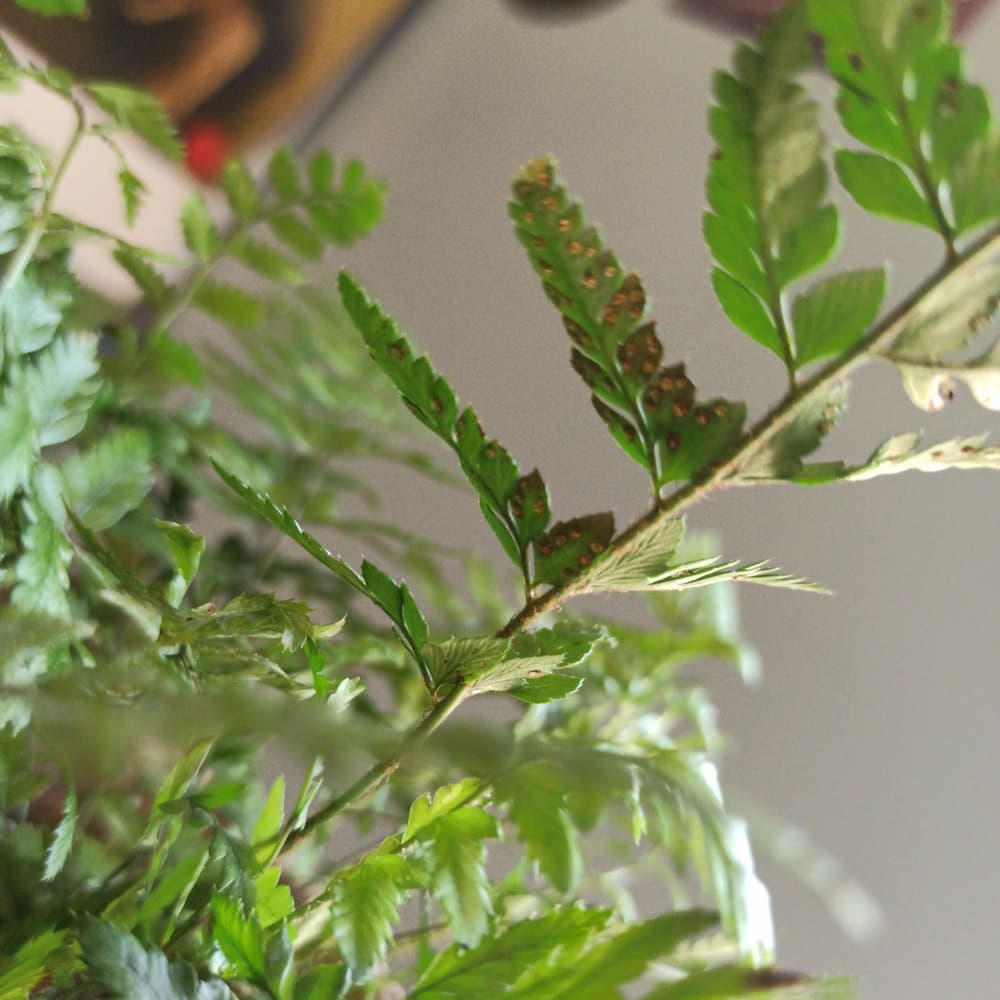
Why Are My Leatherleaf Leaves Falling Over?
Chamaedaphne calyculata
By the Greg Editorial Team
Apr 26, 2024•4 min read
This article was created with the help of AI so we can cover more plants for you. May contain errors. See one? Report it here.
Prevent Leatherleaf languish and secure leafy loftiness with savvy care tips! 🌿🔍
- Overwatering and underwatering both lead to droopy Leatherleaf—balance is key.
- Soil quality matters: Enhance drainage and avoid compaction for upright leaves.
- Protect from extremes: Ideal temperature and indirect light keep Leatherleaf perky.
When Water Works Against You
💧 Too Much of a Good Thing: Overwatering Woes
Yellowing leaves and water-soaked spots are the tell-tale signs of overwatering. If the soil feels like a wet sponge days after you've watered, it's time to intervene.
To avoid root rot, check the soil before watering. It should be damp but not soggy. If it clings to your fingers, that's a red flag. Remember, your plant isn't a fish; it doesn't need to swim.
🏜️ Thirsty Roots: The Underwatering Plight
Leatherleaf looking more like leather and less like leaf? It might be parched. Curling leaves and soil drier than a comedian's humor are cries for water.
To quench thirst without overdoing it, water deeply but infrequently. The soil should feel like that perfect piece of chocolate cake—moist, not dry. If the leaves perk up quickly post-watering, you've hit the sweet spot. If the droopiness persists, it's time to ease up on the H2O.
Soil Secrets: The Foundation of Upright Leaves
⛈️ The Perils of Poor Drainage
Waterlogged soil is the archenemy of Leatherleaf stability. Roots submerged in excess moisture are a one-way ticket to droop city. To prevent this soggy demise, ensure your soil is the life of the party—loose and chunky, not clingy.
Fixing the flow is straightforward. Mix in some perlite or coarse sand to your soil. This isn't just a tweak; it's a game-changer for drainage. Your Leatherleaf will thank you with upright leaves that don't resemble a weeping willow.
🌱 Battling Soil Compaction
Compaction is like a crowded elevator for roots—no one's comfortable, and nothing's moving. Recognize this when your Leatherleaf seems too stiff to stand tall. It's a silent cry for help.
Loosening up is key. Get in there and gently fluff the soil around the roots. Think of it as giving your plant's roots a spa day—more room to stretch means a happier, more upright Leatherleaf. Don't forget to throw in some organic matter like compost to keep the soil structure in its prime.
Shielding Leatherleaf from Environmental Enemies
🌡️ Weathering the Extremes: Temperature Troubles
Leatherleaf ferns are sensitive to temperature fluctuations. Ideal conditions range between 60-75°F (15-24°C). Beware of temperatures below 50°F (10°C) or above 85°F (29°C) to prevent wilting.
Protecting from the Cold
When the mercury dips, don't leave your Leatherleaf out in the cold. Move it to a spot that's free from frost yet still enjoys weak winter sunlight. Mulch can act like a cozy blanket, offering extra warmth.
Safeguarding from the Heat
Scorching temperatures can make your Leatherleaf droop like a tired hiker. Shade is your ally during heatwaves. Use sun sails or umbrellas to create a cool oasis. Monitor the forecast and be proactive; your Leatherleaf will thank you.
🌞 The Goldilocks of Sunlight: Not Too Much, Not Too Little
Leatherleaf ferns crave the perfect balance of light. Direct sunlight? Too harsh. Deep shade? Too dim. Aim for bright, indirect light, like a soft glow from a north-facing window.
Adjusting Light Levels
If your Leatherleaf could talk, it'd ask for a sunglasses effect. Shield it from intense midday rays, especially in summer. Relocate to a spot with dappled light for that just-right sunbathing experience.
Preventing Sun Scorch
Crispy leaves are a cry for help. They're getting too much direct sunlight. Use a light meter or app to check exposure. Create a barrier with a sheer curtain or move the plant to a safer spot. Your Leatherleaf's leaves should remain vibrant, not toasted.
Propping Up Your Plant: Practical Tips for Prevention
🌱 The Art of Pruning for Poise
Pruning is preventative medicine for your Leatherleaf. Strategic snips can redirect energy to healthy foliage, bolstering the plant's posture. Keep those shears clean; you're not just giving a haircut, you're performing surgery.
🏋️ Consistent Care: The Routine for Resilience
Think of routine care as your plant's personal boot camp. Monitor moisture levels like a hawk and mulch like a pro—just steer clear of the stem to dodge rot. A monthly dose of balanced, half-strength fertilizer during growth season is your plant's protein shake. But remember, overfeeding is like junk food—just say no.
Regular check-ups are non-negotiable. Catching a droop early can mean the difference between a quick fix and a plant ICU visit. Adjust care with the seasons, and always be on pest patrol—those little critters are stealthy leaf saboteurs.
⚠️ Safety First
This content is for general information and may contain errors, omissions, or outdated details. It is not medical, veterinary advice, or an endorsement of therapeutic claims.
Always consult a qualified healthcare professional before using any plant as food, medicine, or supplement.
Never eat any plant (or feed one to pets) without confirming its identity with at least two trusted sources.
If you suspect poisoning, call Poison Control (800) 222-1222, the Pet Poison Helpline (800) 213-6680, or your local emergency service immediately.
Spotted an error? Please report it here.
Ensure your Leatherleaf fern thrives with customized 🌱 care reminders from Greg, perfectly balancing water, light, and temperature for a lush, upright display.