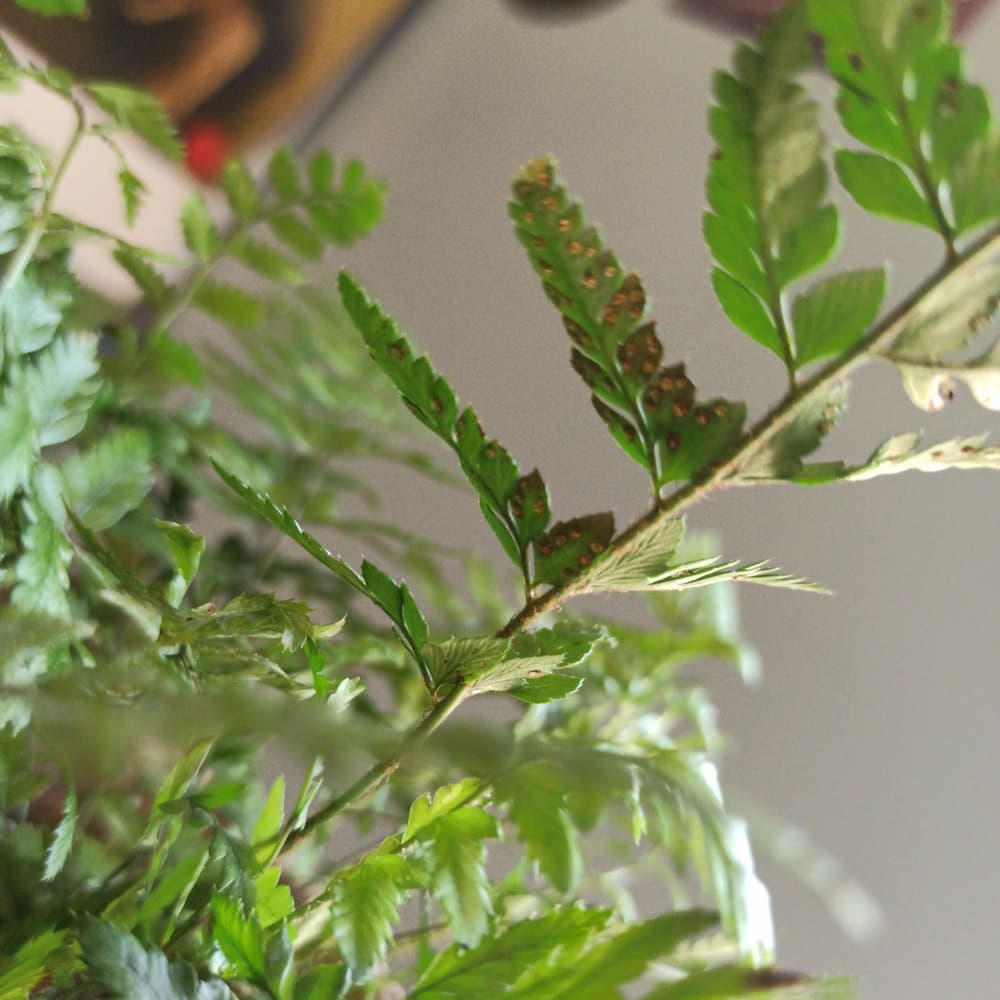
What Are The Bugs on My Leatherleaf?
Chamaedaphne calyculata
By the Greg Editorial Team
Apr 26, 2024•3 min read
This article was created with the help of AI so we can cover more plants for you. May contain errors. See one? Report it here.
Banish bugs 🐛 and protect your Leatherleaf's lush beauty with our savvy pest-fighting tips! 🌿
- 🕸️ Spider mites leave webs; control with neem oil or insecticidal soap.
- Scale and mealybugs: Remove with oil or alcohol, prevent with cleanliness.
- Severe infestations: Consider professional help to avoid resistant pests.
Meet the Uninvited: Common Leatherleaf Pests
🕷️ Spider Mites: The Tiny Web Weavers
Tiny webs on your Leatherleaf? Spider mites are likely the culprits. These pests create a fine silk-like webbing, especially under leaves, and cause visible leaf damage.
🛡️ Combat Strategies
Blast them with water or swipe with a damp cloth to disrupt their habitat. For persistent issues, neem oil or insecticidal soap are effective. Apply thoroughly, don't forget the leaf undersides.
🚫 Keeping Them at Bay
Regular misting can deter spider mites by increasing humidity. Inspect your Leatherleaf often to catch these pests early.
🦟 Scale: The Sticky Intruders
Notice waxy bumps? You've got scale insects. They attach to your plant, creating a sticky mess and sapping its strength.
🛡️ Removal Tactics
Scrape them off gently or apply horticultural oil. Be persistent; these pests are tenacious.
🚫 Prevention Playbook
Prune affected areas and maintain a clean environment. Isolate new plants to prevent the spread of scale.
🦟 Fungus Gnats and Fruit Flies: The Soil Lurkers
Adult gnats and fruit flies hover around soil, while their larvae thrive in moist conditions.
🛡️ Eradication Methods
Use sticky traps to catch adults. For larvae, let the soil dry out or treat with a soil insecticide.
🚫 Drying Out the Problem
Overwatering invites gnats. Water your Leatherleaf only when necessary to keep the soil from staying too wet.
🐞 Mealybugs: The Fluffy Vandals
White, cottony clusters? Mealybugs are invading. They leave a sticky residue and can quickly overwhelm a plant.
🛡️ Elimination Arsenal
Wipe them away with alcohol wipes or spray with a mixture of soap and oil. Be thorough to eliminate all traces.
🚫 Inspection and Isolation
Regularly check your Leatherleaf for mealybugs. Quarantine new or infected plants to stop the spread.
🐜 Other Leatherleaf Lurkers: Aphids, Whiteflies, and Thrips
Clusters of tiny bugs or sticky leaves often signal an aphid problem. Whiteflies resemble tiny moths, and thrips leave silvery trails.
🛡️ Specific Countermeasures
Insecticidal soap works against aphids, while neem oil can tackle thrips. Whiteflies are persistent; consider yellow sticky traps.
🚫 Proactive Defense
Prevent infestations by inspecting your plants frequently and keeping them healthy to resist pests.
When Bugs Run Wild: Handling Severe Infestations
🐞 Assessing the Situation
When your Leatherleaf looks more like a bug bed-and-breakfast than a plant, it's time to escalate your response. If you're seeing more bugs than leaves, or the plant's health is in a freefall despite your best efforts, it's crisis mode.
🪓 Intensive Care
Sterilize your shears and get snipping; remove the most infected parts of the plant. Next, launch a full-scale cleaning assault with insecticidal soap or horticultural oil. Cover every inch. And remember, pests are like bad habits—hard to get rid of. You'll likely need to repeat treatments. For those winged menaces, sticky traps are your silent, but deadly, allies.
🚨 Calling in Reinforcements
If the pests are throwing a rave and your Leatherleaf is the venue, it might be time to call in the pros. When you've tried every DIY trick and the bugs are still partying, professional pest control can offer the tailored solutions your plant desperately needs. They've got the heavy artillery that isn't available over the counter. But heed this: always follow their instructions to the T. Overuse or misuse of chemicals can lead to resistant superbugs, and that's a sequel no one wants to see.
⚠️ Safety First
This content is for general information and may contain errors, omissions, or outdated details. It is not medical, veterinary advice, or an endorsement of therapeutic claims.
Always consult a qualified healthcare professional before using any plant as food, medicine, or supplement.
Never eat any plant (or feed one to pets) without confirming its identity with at least two trusted sources.
If you suspect poisoning, call Poison Control (800) 222-1222, the Pet Poison Helpline (800) 213-6680, or your local emergency service immediately.
Spotted an error? Please report it here.
Eradicate pests and shield your Leatherleaf with precision 🎯 - Greg's custom care plans include timely reminders for inspection and treatment, keeping your greenery in top health!