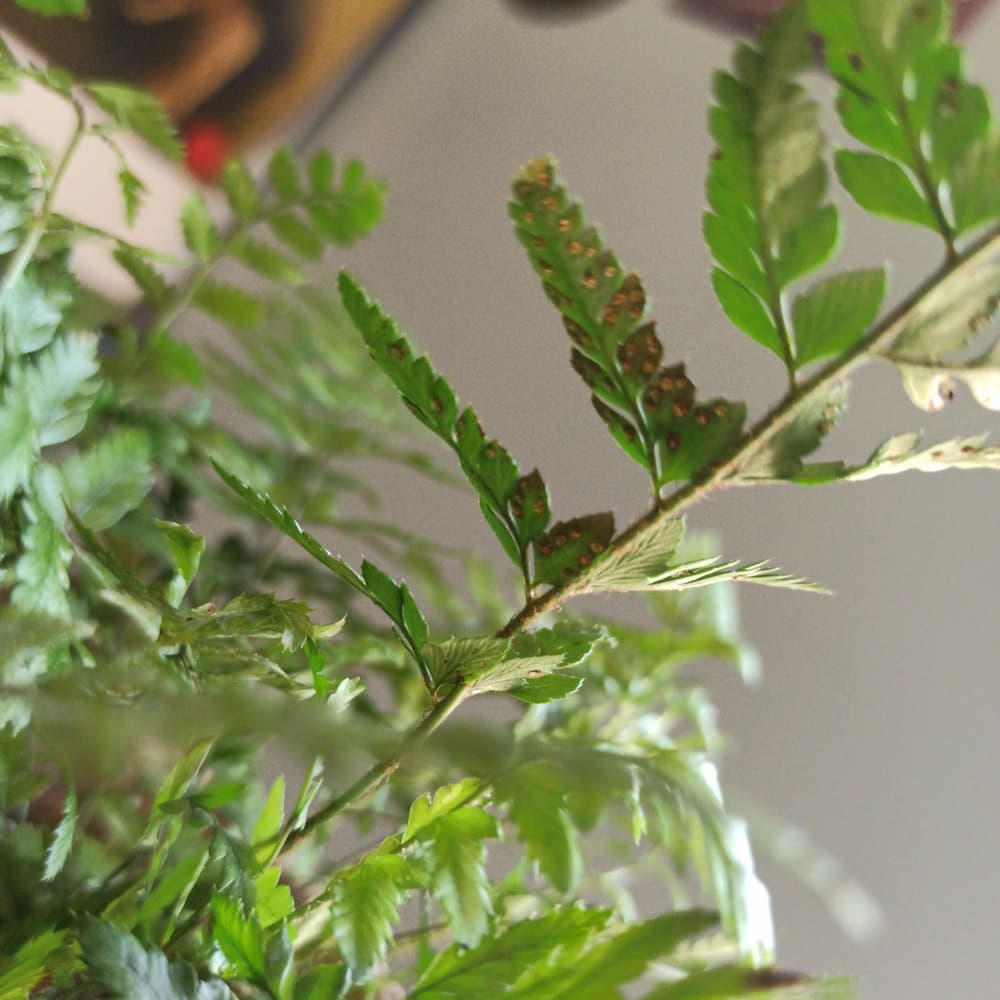
Why Are There Brown Spots on My Leatherleaf Leaves?
Chamaedaphne calyculata
By the Greg Editorial Team
Apr 26, 2024•3 min read
This article was created with the help of AI so we can cover more plants for you. May contain errors. See one? Report it here.
Banish brown spots on your Leatherleaf 🍂 and restore its vibrant health with these expert care tips!
- Overwatering and minerals in tap water cause brown spots on Leatherleaf.
- 🍄 Fungal infections and pests need organic or chemical treatments.
- Regular monitoring and pruning help prevent and detect early signs.
Unraveling the Root Causes
💧 Overwatering and Water Quality
Overwatering is a common misstep that can lead to brown spots on Leatherleaf leaves. The roots, when submerged in excess water, struggle to breathe, leading to a compromised plant. Signs of overwatering include leaves that feel soggy, a general droopiness, and a soil consistency closer to a marsh than a well-drained potting mix.
Water quality is just as critical. High levels of salts or chemicals in water can harm the plant, much like junk food can affect your health. Tap water, often high in minerals, can lead to a build-up that's detrimental to your Leatherleaf's well-being.
🍄 Fungal Foes and Pesty Problems
Fungi and pests are the stealthy culprits behind those unsightly brown spots. Common fungal invaders like Fusarium and Phytophthora make their presence known with concentric rings or yellow halos on the leaves. Pests, on the other hand, leave distinct patterns of damage that can be spotted upon close inspection, especially on the underside of leaves.
Beyond the spots, other symptoms may include yellowing of leaves and a spread of discoloration. These signs tell a story of distress that, if left unchecked, can escalate from a simple cosmetic issue to a full-blown health crisis for your plant.
First Aid for Your Leatherleaf
🚰 Turning Down the Waterworks
Fine-tuning your watering routine begins with a simple touch test. Ditch the schedule; your Leatherleaf doesn't care what day it is. Instead, wait until the top inch of soil feels dry before giving it a drink. Overzealous watering is a no-go—root rot is just waiting to happen.
Improving drainage is like giving your plant swimming lessons—it needs to know how to handle water. 🚰 Ensure proper drainage by checking that your pot has holes fit for a sieve and using soil that's more like a bed of nails than a sponge.
🛡️ Battling the Biotic Baddies
When it comes to fungicides and pest control, think of it as arming your Leatherleaf against invisible invaders. Start with the soft stuff—organic treatments like a baking soda and soap mix can be your first line of defense. If the spots persist, it's time to bring out the big guns: copper-based fungicides or the all-purpose kind, but always follow the label like it's the law.
Cleanliness is next to spotlessness. Snip off the spotted leaves with the precision of a surgeon using sterilized shears. It's not just about aesthetics; it's a tactical move to prevent the spread of disease. After the trim, reassess the plant's living conditions—too much water, too little light, and adjust accordingly. Remember, prevention is easier than treatment, so keep those tools clean and your eyes peeled.
Keeping Brown Spots at Bay
🌅 Cultural Practices for Prevention
Location matters. Place your Leatherleaf where morning light can grace its leaves without the harsh afternoon sun. This isn't just for show; it's strategic defense against brown spots.
Airflow is key. Good circulation prevents disease spread. Think of it as social distancing for plants. Prune purposefully to keep the air moving and pathogens at bay.
👀 Vigilance and Routine Checks
Stay alert. Regular monitoring can catch the early signs of brown spots. It's like being a plant detective, always on the lookout for the slightest change.
Feel your foliage. The touch test helps assess leaf health. Healthy leaves should feel robust, not limp or spongy. It's a hands-on approach to plant care.
⚠️ Safety First
This content is for general information and may contain errors, omissions, or outdated details. It is not medical, veterinary advice, or an endorsement of therapeutic claims.
Always consult a qualified healthcare professional before using any plant as food, medicine, or supplement.
Never eat any plant (or feed one to pets) without confirming its identity with at least two trusted sources.
If you suspect poisoning, call Poison Control (800) 222-1222, the Pet Poison Helpline (800) 213-6680, or your local emergency service immediately.
Spotted an error? Please report it here.
Ensure your Leatherleaf stays spot-free 🍃 with Greg's custom watering reminders and environmental monitoring to tackle overwatering and poor conditions before they leave a mark.