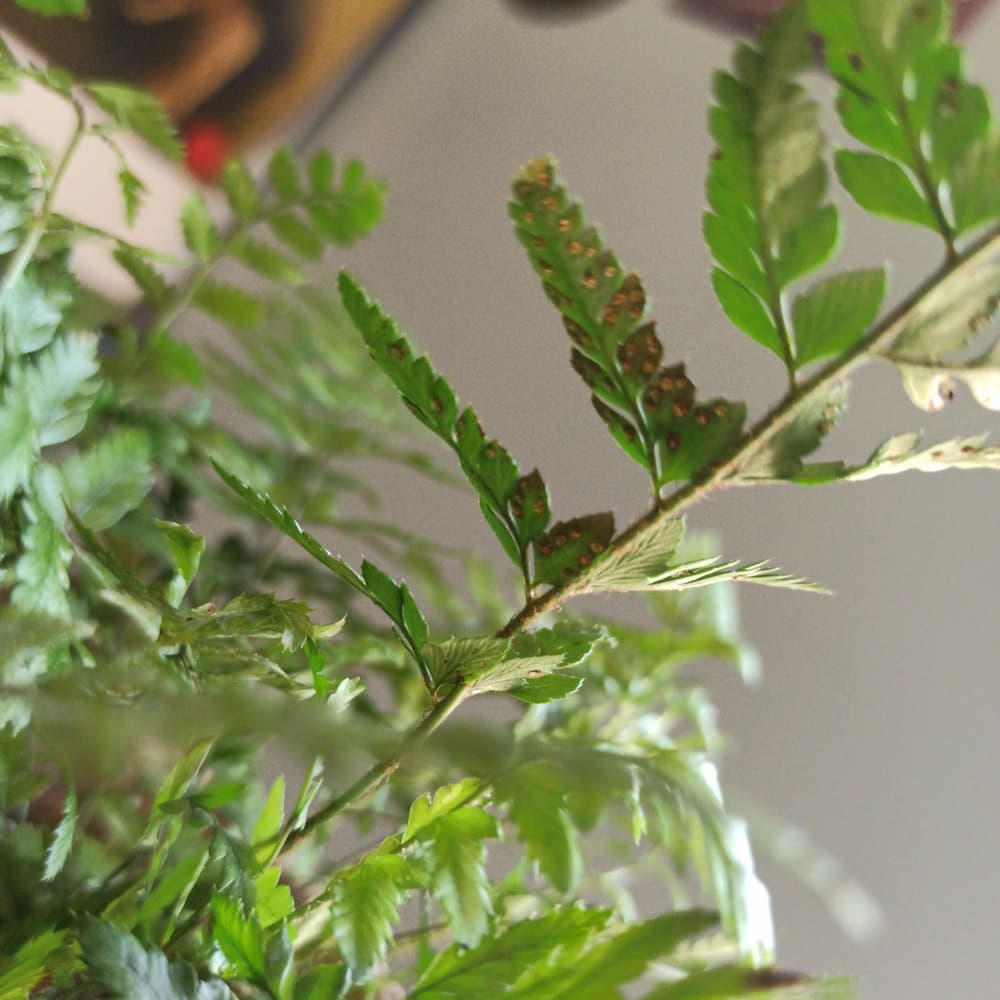
Ultimate Guide to Winter Care for Leatherleaf ❄️
Chamaedaphne calyculata
By the Greg Editorial Team
Sep 30, 2024•5 min read
This article was created with the help of AI so we can cover more plants for you. May contain errors. See one? Report it here.
Ensure your Leatherleaf survives winter's chill with these vital care tips for frost protection and hydration! ❄️🌱
- ❄️ Frost protection is crucial for Leatherleaf to prevent winter damage.
- 🌱 Mulching insulates roots and helps maintain warmth during cold months.
- 🌬️ Cover with burlap to shield Leatherleaf from harsh winds and frost.
Winter Care Requirements
❄️ Frost Protection Methods
Frost protection is crucial for Leatherleaf, as it helps prevent damage during cold snaps. By implementing effective techniques, you can ensure your plants thrive even in winter.
Mulching
Mulching is an excellent way to insulate the roots. Use organic materials like straw or wood chips, applying a depth of about 2-4 inches to retain warmth and moisture.
Covering Plants
Covering your Leatherleaf with materials such as burlap or frost cloth can shield them from harsh winds and frost. Make sure to secure the covers well to prevent them from blowing away.
Strategic Placement
Avoid placing your plants in frost pockets, areas where cold air settles. Instead, position them in spots that receive sunlight during the day to help warm the soil.
💧 Adjusting Watering Schedules During Winter
During winter, adjusting your watering schedule is essential for Leatherleaf health. Overwatering can lead to root rot, so it’s crucial to reduce frequency.
Frequency
Cut back on watering, allowing the top inch of soil to dry out before the next session. This helps prevent excess moisture while keeping the roots healthy.
Signs of Moisture Needs
Check soil moisture levels regularly by sticking your finger into the soil. If it feels dry at the top, it’s time to water; if it’s still damp, wait a bit longer.
🌱 Fertilizing Leatherleaf in Winter: What to Know
Leatherleaf enters a dormant phase in winter, which affects its fertilization needs. Understanding how to care for your plant during this time is key.
Fertilization Needs
During dormancy, Leatherleaf requires minimal fertilization. Focus on maintaining soil health rather than pushing for growth.
Types of Fertilizers
Opt for slow-release fertilizers or organic options that won’t overwhelm the plant. Look for formulations specifically designed for winter use.
Timing of Fertilization
Apply fertilizer sparingly, ideally at the beginning of winter. A light application can provide essential nutrients without stressing the plant.
With these winter care strategies, your Leatherleaf will be well-prepared to face the cold months ahead. Next, let’s explore how to care for your indoor Leatherleaf during winter.
Indoor Winter Care
🌡️ Conditions for Indoor Leatherleaf
Leatherleaf thrives best in a cozy indoor environment. Aim for a temperature range of 60°F to 75°F (15°C to 24°C) to keep your plant happy.
Humidity is crucial for Leatherleaf. Maintaining a humidity level of around 50% helps prevent leaf drop and keeps the plant vibrant.
When it comes to soil, choose an acidic, well-draining mix. This ensures that your Leatherleaf gets the nutrients it needs without the risk of root rot.
💡 Light and Humidity Requirements Indoors
Lighting is key for indoor Leatherleaf. Bright, indirect light is ideal; direct sunlight can scorch the leaves.
To maintain humidity, consider using a humidifier or placing pebble trays filled with water near the plant. These methods help create a more suitable environment.
Keep an eye on your plant's health. Signs of inadequate light include leggy growth, while low humidity may cause leaf curling or browning.
With the right conditions, your indoor Leatherleaf can thrive throughout the winter months. Next, let’s explore how to prepare for spring recovery and rejuvenation.
Spring Preparation and Recovery
❄️ Signs of Winter Damage in Leatherleaf
As winter fades, it's crucial to check your Leatherleaf for signs of frost damage. Look for discoloration and wilting, which are clear indicators that your plant may have suffered during the colder months.
Assessing overall plant health is equally important. Check for any stunted growth or unusual leaf drop, as these can signal underlying issues that need addressing.
🌱 Steps for Recovery and Rejuvenation in Spring
After winter, your Leatherleaf requires some tender loving care. Start by adjusting your watering schedule; ensure the soil is moist but not soggy to promote healthy recovery.
Light exposure is also vital. Gradually reintroduce your plant to outdoor conditions, allowing it to acclimatize slowly to prevent shock.
✂️ Pruning Techniques for Healthy Growth Post-Winter
Timing is everything when it comes to pruning. Wait until after winter dormancy to start, as this is when your plant is ready to thrive again.
Effective pruning involves removing dead or damaged branches. This not only improves the plant’s appearance but also encourages new growth.
To shape your Leatherleaf, focus on cutting back overgrown areas. This will help promote a fuller, healthier plant as it enters the growing season.
With these steps, your Leatherleaf will be well on its way to a vibrant spring!
Common Problems and Solutions
🌨️ Identifying Frost Damage
Frost damage can be a real concern for Leatherleaf during winter. Look for visual signs like leaf discoloration and brittleness, which indicate that your plant has been affected by cold temperatures.
It's essential to differentiate between frost damage and other issues, such as pests or diseases. If you notice wilting or yellowing leaves, consider the temperature and recent weather conditions before jumping to conclusions.
💧 Addressing Overwatering or Underwatering in Winter
Watering can be tricky in winter, and both overwatering and underwatering can harm your Leatherleaf. Symptoms of overwatering include root rot and yellowing leaves, which can be alarming but are often preventable.
On the flip side, underwatering shows up as drooping leaves and dry soil. Adjust your care routine based on winter conditions, ensuring that you monitor soil moisture levels regularly.
🐜 Pest Management During Winter Months
Winter isn't just tough on plants; pests can also be a problem for Leatherleaf. Common pests include spider mites and aphids, which can thrive in indoor conditions.
To prevent infestations, conduct regular inspections and maintain your plant's health. If you do encounter pests, consider treatment options like organic solutions or chemical treatments, depending on your preference and the severity of the issue.
By staying vigilant and proactive, you can ensure your Leatherleaf remains healthy and vibrant throughout the winter months. Next, let’s explore how to prepare for spring and help your plant recover from winter's challenges.
⚠️ Safety First
This content is for general information and may contain errors, omissions, or outdated details. It is not medical, veterinary advice, or an endorsement of therapeutic claims.
Always consult a qualified healthcare professional before using any plant as food, medicine, or supplement.
Never eat any plant (or feed one to pets) without confirming its identity with at least two trusted sources.
If you suspect poisoning, call Poison Control (800) 222-1222, the Pet Poison Helpline (800) 213-6680, or your local emergency service immediately.
Spotted an error? Please report it here.
Protect your Leatherleaf from frost and adjust your watering with Greg's tailored reminders to keep it thriving all winter long 🌿!