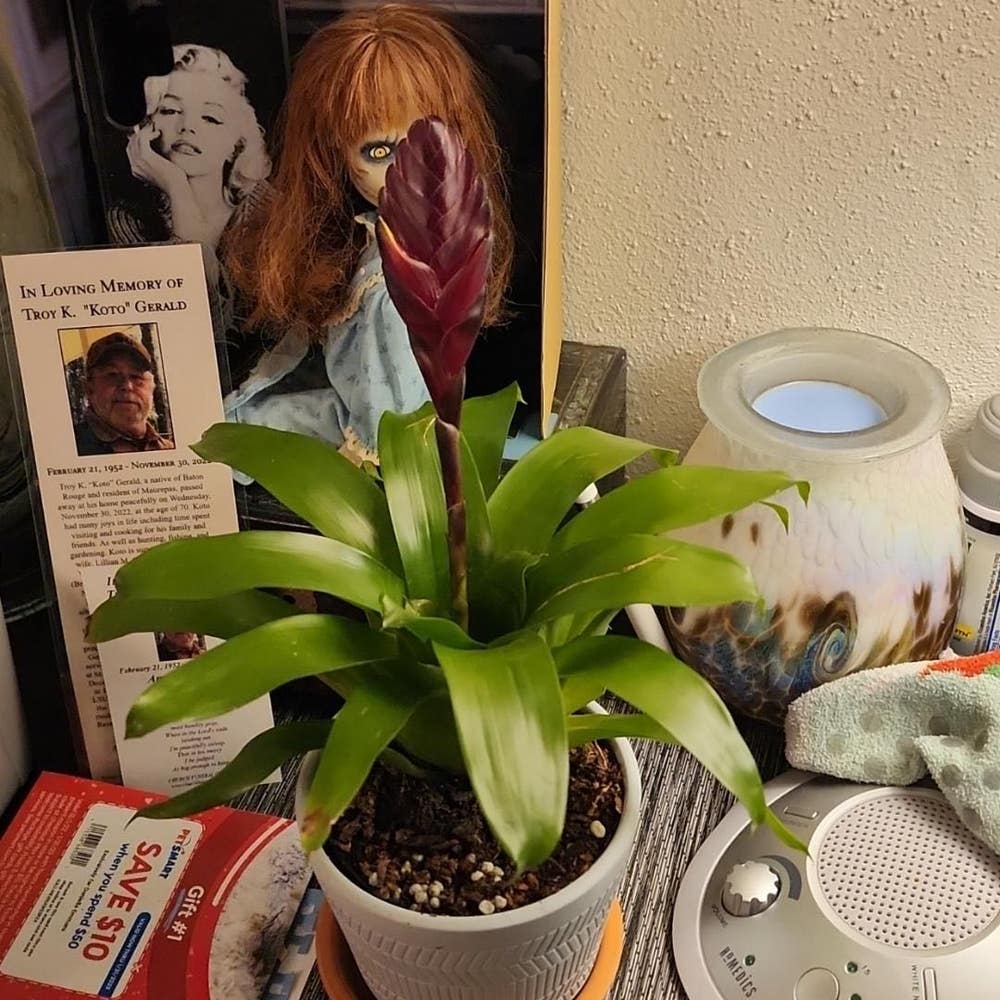
10 Essential Steps to Grow Healthy Flaming Sword ⚔️
Vriesea carinata
By the Greg Editorial Team
Nov 23, 2024•6 min read
This article was created with the help of AI so we can cover more plants for you. May contain errors. See one? Report it here.
- 🌞 Bright, indirect light is essential to prevent leaf scorch in Flaming Sword plants.
- 💧 Water when the top inch is dry to maintain optimal moisture levels.
- 🌿 High humidity (60%+) is crucial for healthy growth and vibrant foliage.
Choosing the Right Location
Indoor vs. Outdoor Placement 🌞
Choosing the right placement for your Flaming Sword is crucial for its health. For indoor growth, bright, indirect light is ideal, allowing the plant to thrive without the risk of scorching.
When considering outdoor placement, opt for a location that receives filtered sunlight. This helps prevent leaf scorch while still providing the light your plant craves.
Temperature and Humidity Requirements 🌡️
Temperature plays a vital role in the growth of your Flaming Sword. Aim for an optimal range of 20°C to 30°C (68°F to 86°F) to keep your plant happy and healthy.
Humidity is equally important. High humidity levels of 60% or higher are essential for promoting robust growth and preventing stress.
Considerations for Container Growing 🪴
If you're growing your Flaming Sword in a container, drainage is key. Ensure your pots have drainage holes to prevent waterlogging, which can lead to root rot.
Additionally, choose a location that allows for easy movement of the container. This flexibility lets you adjust light exposure as needed, ensuring your plant gets the best conditions possible.
With the right location secured, you're ready to move on to soil preparation, which is equally important for your Flaming Sword's growth.
Soil Preparation and Requirements
🌱 Soil Type and Composition
To ensure your Flaming Sword thrives, start with well-draining soil. A recommended mix includes potting soil, perlite, and orchid bark, which together create an ideal environment for healthy root development.
The soil pH should be slightly acidic to neutral, ideally between 5.5 and 7.0. This range supports nutrient availability and overall plant health.
🛠️ Preparing the Soil
Preparing the right soil mix is straightforward.
- Combine equal parts of potting soil, perlite, and orchid bark in a large container.
- Make sure the mixture is loose and airy; this promotes excellent drainage and prevents waterlogging.
- When filling your container or planting area, leave enough space for the root ball to settle comfortably.
By following these steps, you set the stage for your Flaming Sword to flourish. With the right soil preparation, you're one step closer to a vibrant and healthy plant.
Next, let’s explore effective planting techniques to give your Flaming Sword the best start possible.
Planting Techniques
Planting in Containers 🌱
When planting your Flaming Sword in containers, start by selecting one that is 1-2 inches larger in diameter than the root ball. This extra space allows for healthy root expansion.
Next, position the plant so that the base of the rosette sits level with the soil surface. This ensures that the plant can absorb moisture effectively without the risk of rot.
Fill in around the roots with your prepared soil mixture, making sure to pack it gently. This will provide stability while allowing for proper drainage.
Planting Outdoors 🌍
For outdoor planting, the process requires a bit more effort but is equally rewarding. Begin by digging a hole that is twice the size of the root ball. This gives the roots plenty of room to spread out.
Once the hole is ready, place the plant inside, ensuring it stands upright. This is crucial for its growth and overall health.
Finally, backfill the hole with soil, pressing down lightly to eliminate any air pockets. Water thoroughly to help settle the soil around the roots, ensuring your Flaming Sword is well-established in its new home.
With these planting techniques, your Flaming Sword will have a strong start, setting the stage for vibrant growth. Next, let’s explore the essential watering and fertilizing practices to keep your plant thriving.
Watering and Fertilizing
💧 Watering Needs
Proper watering is crucial for the health of your Flaming Sword plant. Water it when the top inch of soil feels dry to the touch, ensuring you don’t drown the roots.
For the best results, focus on watering the central cup of the rosette as well as the surrounding soil. This method mimics the plant's natural habitat and promotes optimal moisture retention.
🌱 Fertilizing Schedule and Types
Fertilizing your Flaming Sword is essential for robust growth. Aim to fertilize every 4-6 weeks during the growing season to provide the nutrients it craves.
Use a balanced liquid fertilizer diluted to half strength for effective nourishment. Remember, over-fertilizing can harm your plant, so stick to the recommended schedule to keep it thriving.
With proper watering and fertilizing, your Flaming Sword will flourish beautifully. Next, let’s dive into the essential pruning and maintenance techniques to keep your plant in top shape.
Pruning and Maintenance
🌱 Pruning Techniques for Healthy Growth
To keep your Flaming Sword thriving, start by removing any dead or damaged leaves at the base. This simple act not only tidies up the plant but also encourages fresh growth.
After your plant blooms, don’t forget to cut spent flower spikes close to the base. This helps redirect the plant's energy towards new foliage and future blooms.
🛠️ Ongoing Care and Maintenance Tips
Regular inspections for pests and diseases are crucial. Catching issues early can save your plant from serious harm.
Maintaining humidity is also key for a healthy Flaming Sword. You can achieve this by misting the plant regularly or using a humidity tray to create a more suitable environment.
With these pruning and maintenance tips, your Flaming Sword will flourish beautifully. Next, let’s explore common challenges and effective solutions to keep your plant in top shape.
Challenges and Solutions
🌧️ Common Challenges
Growing a healthy Flaming Sword can come with its share of challenges. The most common issue is overwatering, which can lead to root rot, a serious condition that can quickly kill your plant.
Another frequent problem is insufficient light, resulting in leggy growth. This happens when the plant stretches towards the light source, making it weak and elongated.
🐛 Pest Management and Disease Prevention
Pests can also pose a threat to your Flaming Sword. Common culprits include mealybugs, aphids, and scale, which can sap the plant's vitality.
To combat these pests, consider using neem oil or insecticidal soap. Regular inspections of your plant will help catch any infestations early, ensuring your Flaming Sword remains healthy and vibrant.
🧐 Troubleshooting Growth Issues
If you notice yellowing leaves, it’s time to investigate. This can indicate overwatering or nutrient deficiencies, both of which require immediate attention.
Stunted growth is another red flag. Ensure your plant is receiving adequate light and humidity levels to promote robust growth. Addressing these issues promptly will keep your Flaming Sword thriving.
In summary, being proactive about challenges and solutions will help you maintain a flourishing Flaming Sword. Next, let’s explore effective watering and fertilizing techniques to further support your plant’s health.
⚠️ Safety First
This content is for general information and may contain errors, omissions, or outdated details. It is not medical, veterinary advice, or an endorsement of therapeutic claims.
Always consult a qualified healthcare professional before using any plant as food, medicine, or supplement.
Never eat any plant (or feed one to pets) without confirming its identity with at least two trusted sources.
If you suspect poisoning, call Poison Control (800) 222-1222, the Pet Poison Helpline (800) 213-6680, or your local emergency service immediately.
Spotted an error? Please report it here.
Cultivate a vibrant Flaming Sword 🌱 by using Greg's tailored watering alerts and expert tips to keep your plant thriving in the perfect conditions!