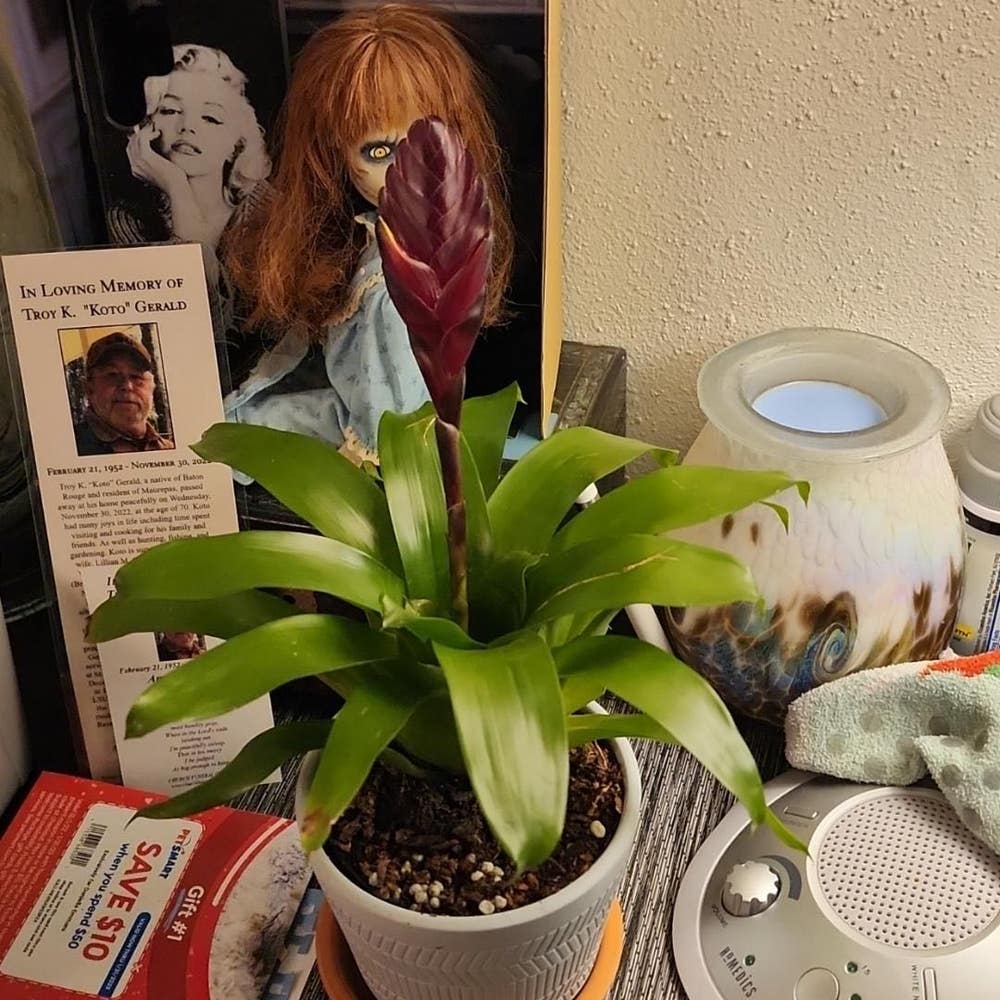
Ultimate Guide to Watering Your Lobster Claw 🦞
Vriesea carinata
By the Greg Editorial Team
Nov 23, 2024•6 min read
This article was created with the help of AI so we can cover more plants for you. May contain errors. See one? Report it here.
- 💧 Water every 1-2 weeks, adjusting for seasons and environmental conditions.
- 🌞 Bright light increases evaporation, requiring more frequent watering.
- 🌡️ Monitor temperature and humidity to prevent over- or under-watering issues.
Ideal Watering Schedule
Frequency of Watering 🌊
Watering your Lobster Claw is generally recommended every 1-2 weeks. However, you should adjust this based on your plant's specific environmental conditions.
During the growing season, which spans spring and summer, your plant will likely need more frequent watering. Conversely, in the dormant season of fall and winter, you can reduce the frequency.
Factors Affecting Watering Frequency 🌱
Light Conditions ☀️
The amount of light your Lobster Claw receives plays a crucial role in its watering needs. Bright, indirect light can increase evaporation, meaning you may need to water more often.
In contrast, if your plant is in low light conditions, it may require less frequent watering. Always observe how your plant responds to its environment.
Temperature 🌡️
Temperature is another key factor influencing watering frequency. When temperatures rise above 75°F (24°C), your Lobster Claw may need more water to thrive.
On the other hand, cooler temperatures below 60°F (15°C) can decrease its water requirements. Keep an eye on the temperature to ensure your plant remains healthy.
Humidity Levels 💧
Humidity levels can significantly impact how often you should water. If the humidity is high (above 60%), you may find that your plant needs less water.
However, in low humidity conditions (below 40%), you might need to increase watering frequency to maintain adequate moisture. Adjust your care routine based on the humidity in your environment.
Understanding these factors will help you create an effective watering schedule for your Lobster Claw. This knowledge sets the stage for recognizing signs of over- or under-watering, ensuring your plant remains vibrant and healthy.
Recognizing Over-Watering
🟡 Symptoms of Over-Watering
Over-watering can be a sneaky issue for your Lobster Claw. One of the first signs to look for is yellowing leaves, which may drop prematurely, signaling distress.
Another telltale sign is wilting despite wet soil. If your plant looks droopy even when the soil is saturated, it’s time to investigate further. Root rot is the most severe consequence, where dark, mushy roots indicate a serious problem.
💧 Adjusting Watering Practices
To combat over-watering, allow the top 1-2 inches of soil to dry out before you water again. This simple practice can help prevent excess moisture from lingering in the pot.
Using well-draining soil is crucial, as it helps avoid water accumulation that can lead to root rot. Additionally, keep an eye on environmental conditions, adjusting your watering frequency based on changes in light, temperature, and humidity.
Recognizing the signs of over-watering and adjusting your practices can help keep your Lobster Claw thriving. Next, let’s explore how to identify the signs of under-watering, ensuring your plant gets just the right amount of moisture.
Recognizing Under-Watering
Symptoms of Under-Watering 🌵
Under-watering your Lobster Claw can lead to several telltale signs. First, you might notice browning leaf tips, which can turn crispy and dry.
Another symptom is wilting; leaves may droop and lose their firmness. If you observe stunted growth, it’s a clear indication that your plant isn’t getting enough moisture.
Adjusting Watering Practices 💧
To combat under-watering, increase your watering frequency, especially during dry spells or high temperatures. Consistent moisture in the soil is crucial, particularly during the growing season when your plant is actively growing.
Additionally, consider using mulch around your plant. This helps retain soil moisture and reduces evaporation, ensuring your Lobster Claw stays hydrated.
By keeping an eye on these symptoms and adjusting your watering practices accordingly, you can help your Lobster Claw thrive. Next, let’s explore effective watering techniques to ensure your plant receives the right amount of moisture.
Watering Techniques
Bottom-Watering Method 🌊
The bottom-watering method is a simple yet effective technique for keeping your Lobster Claw hydrated. By placing the pot in a tray of water, the soil absorbs moisture from the bottom up, ensuring that the roots receive adequate hydration.
This method encourages deep root growth, which is essential for a healthy plant. Plus, it prevents water from pooling on the surface, reducing the risk of over-watering.
Benefits of Self-Watering Pots 💧
Self-watering pots are a game-changer for busy plant owners. They maintain a consistent moisture level, which significantly reduces the risk of both over- and under-watering.
With self-watering pots, you can enjoy the convenience of less frequent manual watering. This means more time to admire your Lobster Claw and less time worrying about its hydration needs.
Incorporating these watering techniques into your plant care routine can lead to healthier, more vibrant plants. As you explore these methods, consider how they can fit into your lifestyle and enhance your gardening experience.
Measuring Soil Moisture
🛠️ Tools for Measuring Soil Moisture Levels
To keep your Lobster Claw thriving, knowing the moisture level of the soil is crucial. A soil moisture meter is a handy device that gives you a precise reading of how wet or dry your soil is.
Alternatively, you can use the finger test. Simply insert your finger into the soil up to the second knuckle to gauge moisture. If it feels dry, it's time to water!
📋 Step-by-Step Guide to Checking Soil Moisture
- Start by inserting a moisture meter into the soil or using the finger test.
- Assess the moisture level:
- If the soil feels moist, water as needed.
- If it feels dry, it's time to give your plant a drink.
- If it's wet, hold off on watering for now.
- Make it a habit to repeat this moisture check every few days. Establishing a routine will help you maintain the perfect balance for your Lobster Claw.
By regularly measuring soil moisture, you can ensure your plant receives the right amount of water, promoting healthy growth and vibrant foliage. This simple practice can make all the difference in your plant care routine.
Next, let’s explore effective watering reminders and scheduling techniques to keep your Lobster Claw happy and hydrated!
Watering Reminders and Scheduling
📱 Using the Greg Plant Care App
Keeping track of your Lobster Claw's watering needs can be a breeze with the Greg Plant Care App. Set reminders based on the ideal watering schedule, ensuring you never miss a beat.
🔔 Notifications for Soil Moisture
The app also sends notifications to check soil moisture and water your plant. This feature helps you stay proactive, preventing both over- and under-watering.
🗓️ Setting Up a Personalized Watering Schedule
To optimize care, input your specific environmental conditions into the app. Factors like light, temperature, and humidity will help tailor your watering schedule.
🍂 Adjusting for Seasonal Changes
As the seasons shift, so should your watering routine. The app allows you to adjust your schedule based on seasonal changes and your plant's growth stages, ensuring it thrives year-round.
By utilizing these tools, you can cultivate a thriving Lobster Claw with minimal hassle. Next, let’s explore effective watering techniques to further enhance your plant care routine.
⚠️ Safety First
This content is for general information and may contain errors, omissions, or outdated details. It is not medical, veterinary advice, or an endorsement of therapeutic claims.
Always consult a qualified healthcare professional before using any plant as food, medicine, or supplement.
Never eat any plant (or feed one to pets) without confirming its identity with at least two trusted sources.
If you suspect poisoning, call Poison Control (800) 222-1222, the Pet Poison Helpline (800) 213-6680, or your local emergency service immediately.
Spotted an error? Please report it here.
Keep your Lobster Claw thriving and vibrant 🌿 by using Greg's tailored reminders and moisture checks to master your watering routine effortlessly!