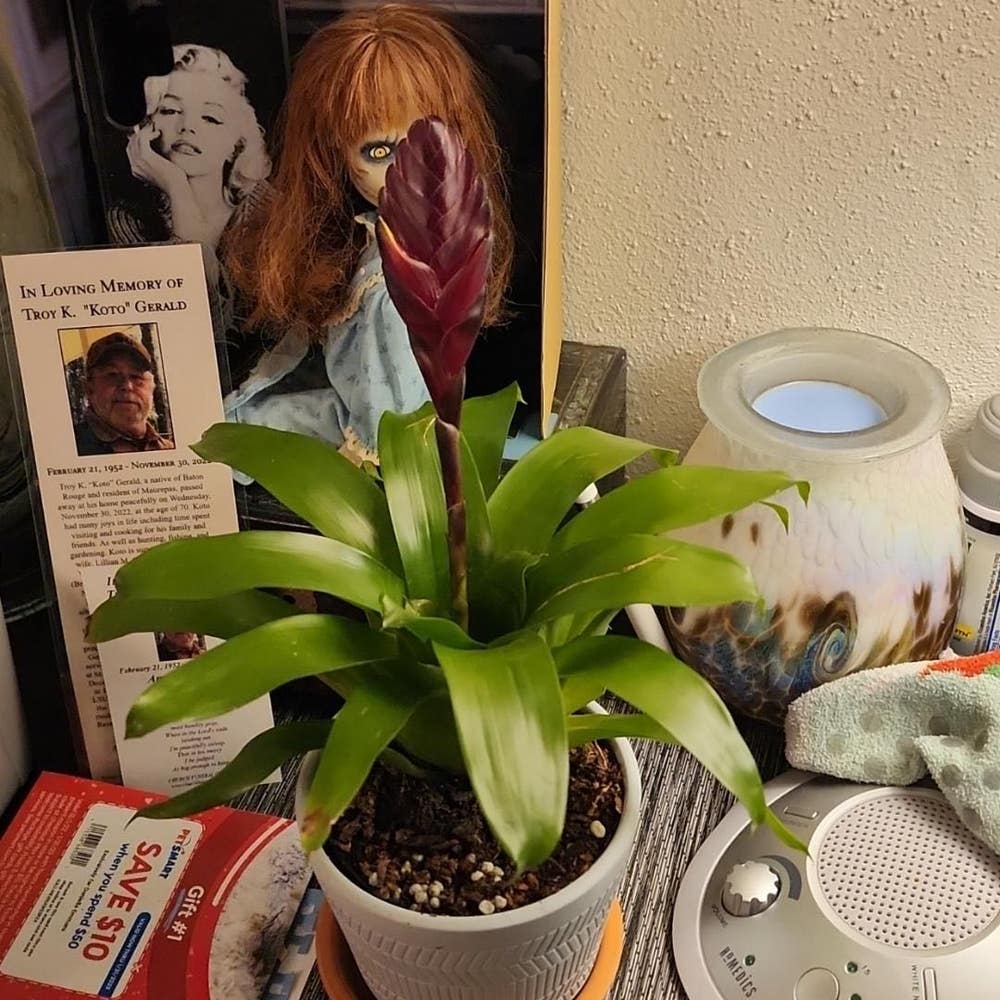
Direct Sunlight and Your Lobster Claw 🦞
Vriesea carinata
By the Greg Editorial Team
Nov 23, 2024•5 min read
This article was created with the help of AI so we can cover more plants for you. May contain errors. See one? Report it here.
- 🌞 Lobster Claw thrives in bright, indirect sunlight; too much direct light causes damage.
- 🪟 South and east-facing windows provide optimal light; adjust for seasonal changes.
- 🌿 Signs of too much sun include scorched leaves; monitor for healthy growth.
Definition of Direct Sunlight
Explanation Suitable for Children 🌞
Direct sunlight is when the sun's rays shine straight onto a plant without anything blocking them, like clouds or buildings. Imagine standing outside on a sunny day with no shade; that's direct sunlight!
Contrast with Indirect Sunlight 🌥️
Indirect sunlight occurs when the sun's rays are softened or scattered, such as when they pass through a window or are reflected off surfaces. Think of it like being under a tree where the sunlight is filtered through the leaves; it's still bright but not as strong.
Understanding the difference between direct and indirect sunlight is crucial for caring for plants like the Lobster Claw. This knowledge helps ensure your plant receives the right amount of light for healthy growth.
Sunlight Tolerance of Lobster Claw
Does it Need Direct Sunlight? 🌞
Lobster Claw plants thrive best in bright, indirect sunlight. However, they can benefit from some direct sunlight during specific times of the day, particularly in the morning or late afternoon.
Can it Tolerate Direct Sunlight? ☀️
Moderate direct sunlight exposure is tolerated by Lobster Claw. This is especially true during the cooler parts of the day when the sun's intensity is lower.
Effects of Too Much Direct Sunlight 🌡️
Excessive direct sunlight can lead to leaf scorch, resulting in browning and wilting. Signs of stress include yellowing leaves and leaf drop, indicating that your plant may be receiving too much light.
Understanding the sunlight tolerance of your Lobster Claw is crucial for its health. By monitoring its exposure and adjusting as needed, you can ensure your plant thrives beautifully.
Role of Window Direction
🌅 Best Window Directions for Lobster Claw
When it comes to placing your Lobster Claw plant, window direction plays a crucial role. South-facing windows are the golden ticket, providing the most consistent and intense light, perfect for healthy growth.
East-facing windows are also a great option. They offer gentle morning sunlight, which can help your plant thrive without overwhelming it.
☀️ How Window Direction Affects Sunlight Exposure
On the flip side, north-facing windows are not ideal for Lobster Claw. They typically provide the least amount of light, which may hinder your plant's growth and vitality.
West-facing windows can be tricky. They expose your plant to intense afternoon sun, so you'll need to keep a close eye on it to prevent leaf scorch. Adjusting your plant's position based on these factors can make all the difference in its health and appearance.
Understanding the role of window direction is key to ensuring your Lobster Claw gets the right amount of sunlight. With the right placement, you can help your plant flourish beautifully.
Hemisphere Considerations
🌞 Differences in Sunlight Intensity by Hemisphere
The intensity of sunlight varies significantly between the Northern and Southern Hemispheres. This variation impacts how you should position your Lobster Claw plant in your home.
In the Northern Hemisphere, sunlight is strongest during the summer months, which means your Lobster Claw will thrive with more direct exposure. Conversely, in the Southern Hemisphere, the sun's intensity peaks during the summer, requiring careful placement to avoid scorching.
📅 Seasonal Variations in Sunlight Exposure
Seasonal changes also play a crucial role in how sunlight reaches your plant. During winter, the sun's angle is lower, resulting in less intense light, which may necessitate adjustments in your Lobster Claw's placement.
As the seasons shift, be mindful of how the changing light affects your plant's health. Regularly assess its condition and adjust its location to ensure it receives the optimal amount of sunlight throughout the year.
Understanding these hemisphere and seasonal factors will help you provide the best care for your Lobster Claw, ensuring it flourishes in your home. Next, let’s explore additional considerations for plant parents to keep their Lobster Claw thriving.
Additional Considerations for Plant Parents
🌞 Signs of Too Much or Too Little Sunlight
Recognizing the signs of improper sunlight exposure is crucial for your Lobster Claw's health.
- Too much sunlight can lead to scorched leaves, yellowing, and wilting.
- Too little sunlight results in stunted growth, a leggy appearance, and fewer flowers.
🌱 Adjusting Light Exposure for Optimal Growth
To ensure your Lobster Claw thrives, adjusting its light exposure is essential.
- Gradually acclimate the plant to increased light exposure to avoid shock.
- If the sunlight is too harsh, consider using sheer curtains to diffuse it.
🤔 Common Misconceptions About Lobster Claw and Sunlight
There are a few common misconceptions about Lobster Claw and its sunlight needs that can lead to confusion.
Misconception: Lobster Claw needs full direct sunlight all day.
Reality: It thrives in bright, indirect light and can tolerate some direct sunlight.Misconception: All tropical plants can handle full sun exposure.
Reality: Each tropical plant, including Lobster Claw, has specific light requirements that must be met for optimal health.
Understanding these factors will help you create the perfect environment for your Lobster Claw. With the right care, your plant can flourish beautifully!
⚠️ Safety First
This content is for general information and may contain errors, omissions, or outdated details. It is not medical, veterinary advice, or an endorsement of therapeutic claims.
Always consult a qualified healthcare professional before using any plant as food, medicine, or supplement.
Never eat any plant (or feed one to pets) without confirming its identity with at least two trusted sources.
If you suspect poisoning, call Poison Control (800) 222-1222, the Pet Poison Helpline (800) 213-6680, or your local emergency service immediately.
Spotted an error? Please report it here.
Keep your Lobster Claw thriving 🌱 by using Greg's tailored light reminders to ensure it gets the perfect amount of bright, indirect sunlight!