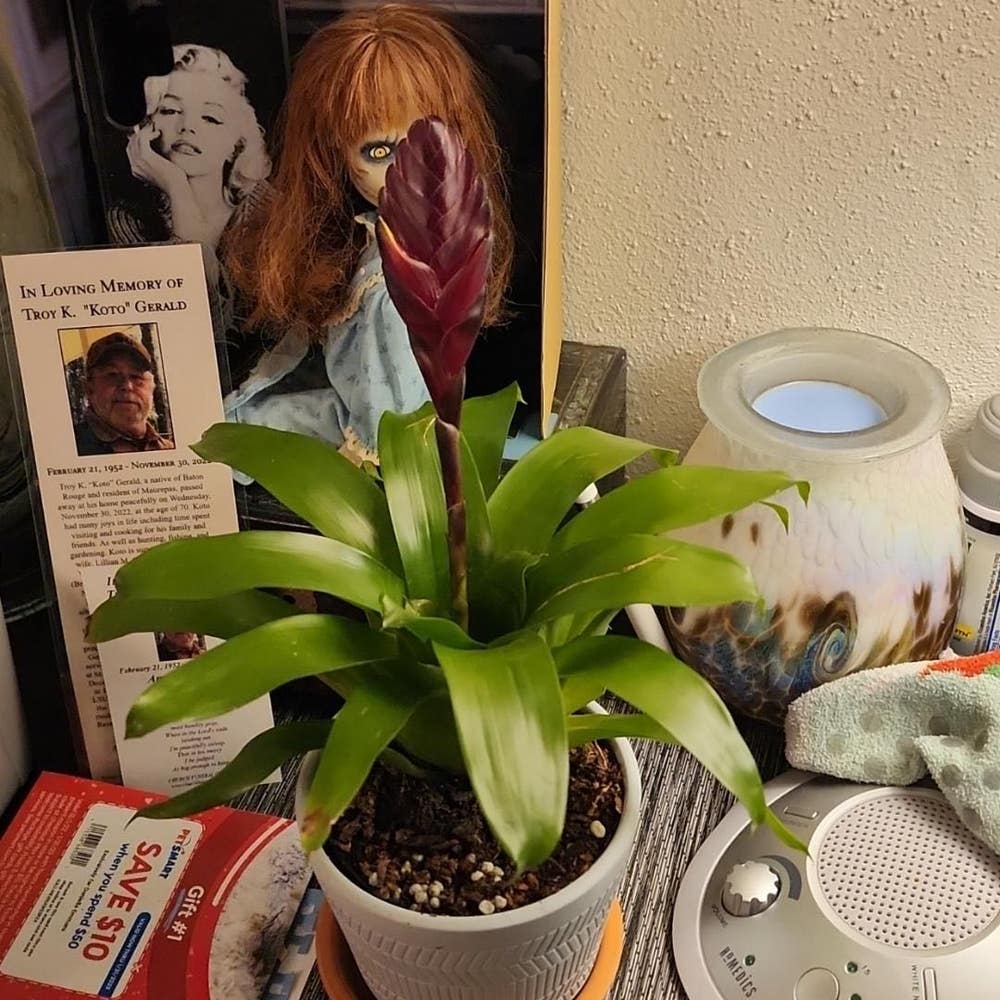
Best Temperature Conditions for Lobster Claw 🦞
Vriesea carinata
By the Greg Editorial Team
Nov 23, 2024•4 min read
This article was created with the help of AI so we can cover more plants for you. May contain errors. See one? Report it here.
- 🌡️ Lobster Claw thrives between 50°F and 95°F; extremes cause stress and damage.
- 🌿 Recognize symptoms: drooping, wilting, or yellowing leaves indicate temperature issues.
- 🛡️ Protect plants with coverings and proper placement to minimize temperature fluctuations.
Temperature Thresholds
❄️ Cold Tolerance
Lobster Claw plants are sensitive to cold, with damage starting below 50°F (10°C). When temperatures dip, you may notice wilting leaves, discoloration, and stunted growth, signaling that your plant is struggling.
🔥 Heat Tolerance
On the flip side, Lobster Claw also faces challenges in the heat. Stress kicks in above 95°F (35°C), leading to drooping leaves, scorched edges, and a noticeable reduction in flowering.
Understanding these temperature thresholds is crucial for keeping your Lobster Claw thriving. By monitoring the temperature and recognizing these symptoms early, you can take action to protect your plant from extreme conditions.
Next, let’s explore the signs of temperature stress in more detail.
Signs of Temperature Stress
Heat Stress Symptoms 🌡️
When Lobster Claw plants experience heat stress, they exhibit several telltale signs. Look for drooping and wilting leaves, which indicate that the plant is struggling to cope with high temperatures.
Another common symptom is scorched or burnt leaf edges. This occurs when the plant's tissues become damaged due to excessive heat exposure.
Additionally, you may notice a reduced growth rate and flowering. This slowdown can be frustrating, especially if you're eager to see your plants thrive.
Finally, leaf discoloration, particularly yellowing, is a clear indicator of heat stress. If you spot these symptoms, it’s time to take action.
Cold Stress Symptoms ❄️
Cold stress can be just as detrimental to your Lobster Claw plants. Symptoms often start with wilting and drooping leaves, signaling that the plant is not receiving the warmth it needs.
You might also observe darkening or browning of leaf tips. This discoloration is a sign that the plant is suffering from cold exposure.
Stunted growth and an overall decline in vigor are other critical indicators. If your plants seem to be lagging behind, cold stress could be the culprit.
Lastly, premature leaf drop is a common response to cold stress. If you notice leaves falling off unexpectedly, it’s essential to assess the temperature conditions around your plants.
Recognizing these signs of temperature stress is crucial for maintaining the health of your Lobster Claw plants. By understanding what to look for, you can take proactive steps to protect them from extreme temperatures.
Next, we’ll explore the causes of temperature stress and how to prevent it from affecting your plants.
Causes of Temperature Stress
🌡️ Environmental Factors
Temperature stress in Lobster Claw plants often arises from environmental factors. Sudden temperature fluctuations can shock the plant, as rapid changes from warm to cold disrupt its growth cycle.
Prolonged exposure to extreme temperatures, whether hot or cold, can lead to significant damage. Additionally, poor location choices, such as planting in shaded areas or near heat-retaining surfaces, can exacerbate these issues.
🌦️ Seasonal Variations
Seasonal changes also play a crucial role in the health of Lobster Claw plants. During winter months, non-tropical climates pose a risk of cold stress, making it vital to monitor temperatures closely.
Conversely, summer months can bring heat stress, especially during heatwaves. Understanding these seasonal impacts helps in planning for optimal growth conditions.
With a grasp of these causes, you can better prepare your Lobster Claw for the challenges of temperature stress. Next, let’s explore the signs that indicate your plant is experiencing temperature-related issues.
Temperature Management Strategies
Maintaining Optimal Temperature 🌡️
To keep your Lobster Claw thriving, consider using protective coverings during cold snaps. Frost cloths can shield your plants from frigid temperatures, ensuring they stay warm and healthy.
Placement is crucial; position your Lobster Claw in sheltered areas to minimize exposure to extreme temperature fluctuations. Regularly monitoring local temperature forecasts will help you anticipate changes and take action when necessary.
Mitigating Temperature Stress ☀️
During scorching heat, providing shade is essential. Shade cloth can effectively protect your plants from direct sunlight, reducing the risk of heat stress.
Implementing irrigation strategies is another effective way to cool your Lobster Claw during hot spells. Watering in the early morning or late afternoon can help lower soil temperatures and keep your plants hydrated.
Finally, adjusting planting times can align your Lobster Claw with more favorable temperature conditions. Planting in early spring or late summer can help avoid the extremes of summer heat and winter cold.
By following these strategies, you can create a more stable environment for your Lobster Claw, promoting healthy growth and vibrant blooms. Next, let’s explore the signs of temperature stress to better understand how to respond to your plant's needs.
⚠️ Safety First
This content is for general information and may contain errors, omissions, or outdated details. It is not medical, veterinary advice, or an endorsement of therapeutic claims.
Always consult a qualified healthcare professional before using any plant as food, medicine, or supplement.
Never eat any plant (or feed one to pets) without confirming its identity with at least two trusted sources.
If you suspect poisoning, call Poison Control (800) 222-1222, the Pet Poison Helpline (800) 213-6680, or your local emergency service immediately.
Spotted an error? Please report it here.
Keep your Lobster Claw in its ideal temperature zone 🌡️ with Greg's tailored care reminders and local weather alerts to ensure vibrant growth and blooms!