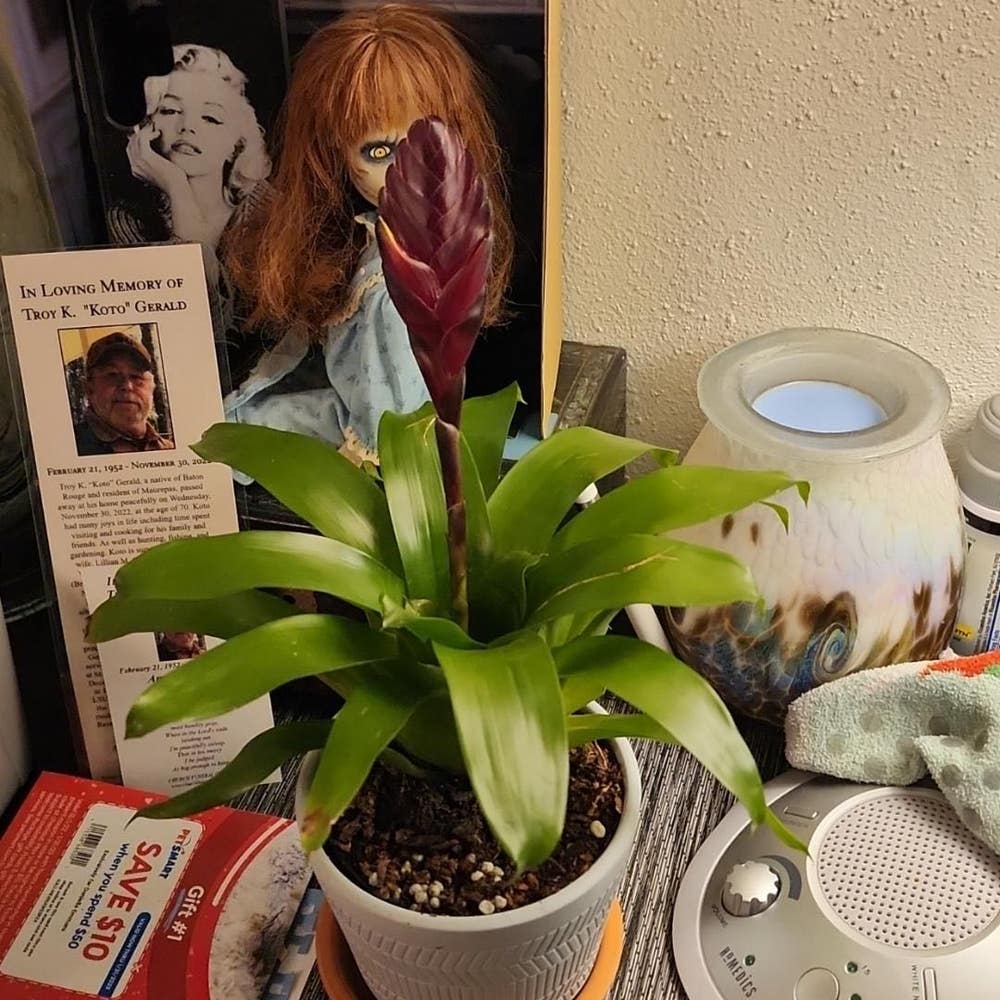
7 Tips for Selecting the Best Pot for Lobster Claw 🦞
Vriesea carinata
By the Greg Editorial Team
Nov 23, 2024•6 min read
This article was created with the help of AI so we can cover more plants for you. May contain errors. See one? Report it here.
- 🌱 Choose pot sizes: 6-8 inches for juveniles, 10-12 for mature plants.
- 🌼 Select larger pots (14-16 inches) during flowering for vibrant blooms and root health.
- 🧪 Ensure proper drainage with holes and well-draining soil to prevent root decay.
Pot Size for Different Growth Stages
Juvenile Stage 🌱
For the juvenile stage, a pot size of 6-8 inches in diameter is recommended. This size is crucial as it allows for initial root establishment without excess soil that can retain too much moisture.
Mature Stage 🌳
As the plant matures, transitioning to a 10-12 inch diameter pot is essential. This size provides adequate space for root expansion and nutrient uptake, ensuring your plant thrives.
Flowering Stage 🌸
During the flowering stage, opt for a pot size of 14-16 inches in diameter. This larger size supports the extensive root system and allows for optimal growth of inflorescence, which is vital for a vibrant display.
General Guidelines 📏
A good rule of thumb is to increase pot size by 2 inches in diameter for each growth stage. Regularly monitoring root growth will help you determine the right time to transition to a larger pot, ensuring your plant continues to flourish.
With the right pot size, your lobster claw will have the best chance to grow healthy and strong, setting the stage for the next important consideration: pot materials.
Pot Materials
Choosing the right pot material is crucial for the health of your lobster claw plants. Each type of pot has its unique benefits and drawbacks that can significantly impact growth.
🏺 Comparison of Clay vs. Plastic
Clay Pots
Clay pots are a popular choice among gardeners for several reasons. They offer excellent breathability, allowing air to circulate through the soil, which is vital for healthy root development.
However, they do come with some downsides. Clay pots are heavier than plastic, making them less portable, and they tend to retain moisture, which can lead to overwatering if not monitored closely.
Plastic Pots
On the other hand, plastic pots are lightweight and easy to handle. They retain moisture well, which can be beneficial in drier conditions.
Yet, they lack the breathability of clay pots, potentially leading to root issues. Additionally, the environmental impact of plastic is a growing concern for many gardeners.
🌱 Biodegradable Pots
For those looking for an eco-friendly option, biodegradable pots are worth considering. Made from natural materials, these pots decompose over time, reducing waste.
They are particularly good for seedlings, as they allow roots to penetrate the pot, minimizing transplant shock. Just be sure to check that they have adequate drainage holes to prevent waterlogging.
In summary, the choice of pot material can greatly affect your lobster claw's growth and health. Understanding the pros and cons of each option will help you make an informed decision that best suits your gardening needs.
Next, let’s explore the importance of drainage considerations in pot selection.
Drainage Considerations
Importance of Drainage Holes 🌱
Proper drainage holes are crucial for any pot. They prevent waterlogging, which is essential for avoiding root rot.
Additionally, these holes promote healthy root growth by ensuring that roots receive adequate oxygen. Without them, your plants may struggle to thrive.
Ensuring Proper Drainage 🚰
When selecting pots, always choose those with at least 1-2 drainage holes. This simple feature can make a significant difference in your plant's health.
Using a well-draining soil mix is equally important. Incorporate materials like perlite or sand to enhance drainage and keep the soil from becoming too compact.
Elevating pots can also help. Use pot feet or trays to allow excess water to escape, ensuring your plants remain happy and healthy.
With these drainage considerations in mind, you'll set your lobster claw plants up for success. Next, let's explore the signs that indicate it's time to repot your plants for optimal growth.
Repotting
Signs That It’s Time to Repot 🌱
Recognizing when to repot your lobster claw plant is crucial for its health. One clear sign is when roots become visible through the drainage holes, indicating a root-bound condition.
Another indicator is stunted growth. If your plant shows no new leaves or flowers despite proper care, it may be time for a bigger pot. Additionally, if the soil appears compacted or has lost its structure, this degradation suggests a repotting is necessary.
Step-by-Step Guide to Repotting 🛠️
Repotting can seem daunting, but it’s a straightforward process. Follow these steps to ensure your plant thrives in its new home:
Choose a new pot: Select a pot that is 2 inches larger in diameter than the current one.
Prepare the new pot: Make sure it has drainage holes and fill it with fresh, well-draining soil.
Remove the plant: Gently loosen the root ball and carefully take it out of the old pot.
Inspect roots: Trim any damaged or overly long roots to promote healthy growth.
Position the plant: Place it in the center of the new pot and fill with soil, ensuring all roots are covered.
Water thoroughly: After planting, water the plant well and allow excess water to drain out, ensuring it settles properly.
Repotting is an essential part of maintaining your lobster claw plant's health. By following these steps, you can provide the space and nutrients your plant needs to flourish. Next, let’s explore how your choice of pot can significantly impact growth and overall health.
Impact of Pot Choice on Growth
🌱 Effects on Health and Growth
Choosing the right pot size and material is crucial for the health of your lobster claw plant. A well-selected pot enhances nutrient uptake and promotes overall vigor, allowing your plant to thrive.
Conversely, poor pot selection can lead to significant issues. Root rot, stunted growth, and reduced flowering are common consequences of inadequate pot choices.
🚫 Common Issues from Poor Selection
One major problem is overwatering, often caused by inadequate drainage or using pots that are too large. This can drown the roots, leading to decay.
Another issue is root-bound conditions, which occur when pots are too small. This restricts root growth and can severely stunt your plant's development.
Soil compaction is also a concern, particularly in pots that lack proper aeration. Compacted soil limits root access to oxygen and nutrients, further hindering growth.
Understanding the impact of pot choice is essential for nurturing healthy lobster claw plants. By selecting the right pot, you set the stage for vibrant growth and flourishing blooms.
Next, let’s explore the importance of drainage considerations to ensure your plants thrive.
⚠️ Safety First
This content is for general information and may contain errors, omissions, or outdated details. It is not medical, veterinary advice, or an endorsement of therapeutic claims.
Always consult a qualified healthcare professional before using any plant as food, medicine, or supplement.
Never eat any plant (or feed one to pets) without confirming its identity with at least two trusted sources.
If you suspect poisoning, call Poison Control (800) 222-1222, the Pet Poison Helpline (800) 213-6680, or your local emergency service immediately.
Spotted an error? Please report it here.
Choose the perfect pot for your lobster claw plant 🌱 with Greg's tailored tips and reminders, ensuring vibrant growth and stunning blooms!