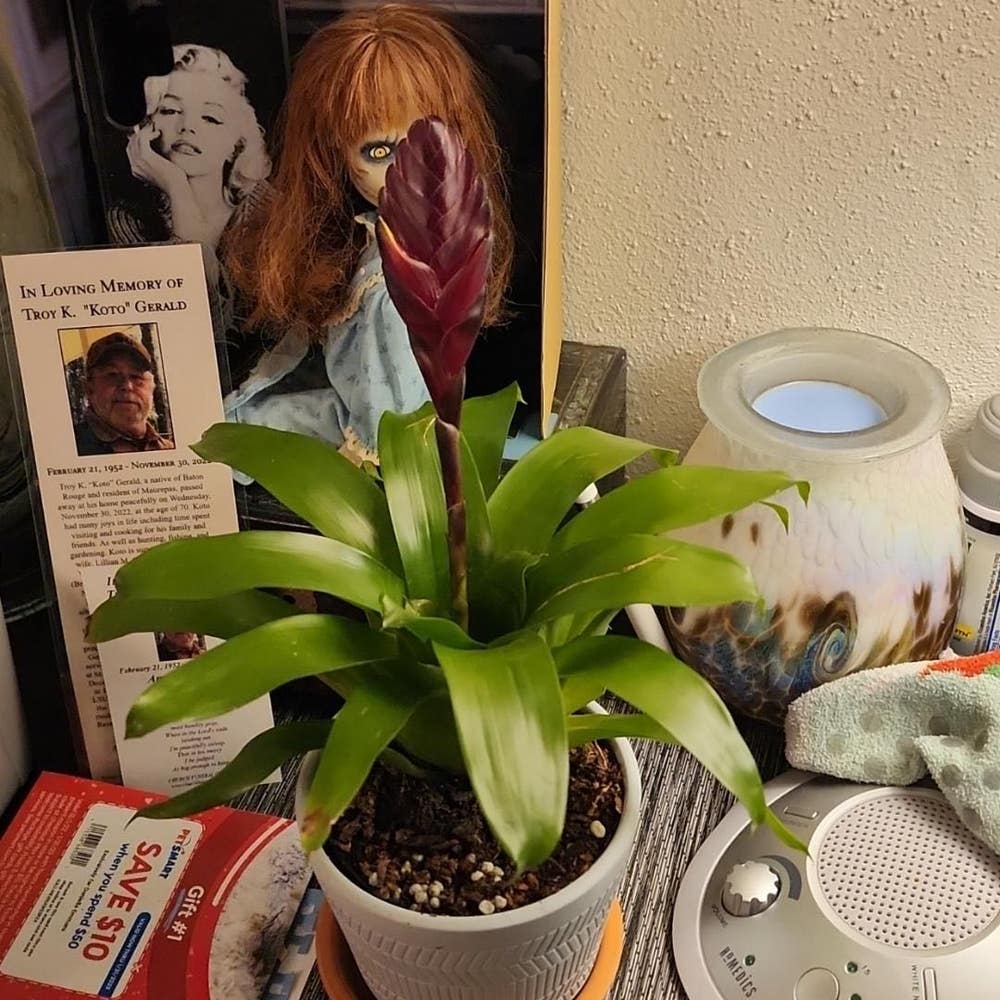
4 Tips for Blooming Your Lobster Claw 🦞
Vriesea carinata
By the Greg Editorial Team
Nov 23, 2024•5 min read
This article was created with the help of AI so we can cover more plants for you. May contain errors. See one? Report it here.
- 🌺 Lobster Claw features vibrant bracts, resembling flowers, enhancing tropical garden aesthetics.
- 🐦 Pollination is key - attracts hummingbirds and insects for effective blooming.
- 🌞💧 Optimal light and watering are essential for encouraging Lobster Claw to bloom.
Flowering Status of Lobster Claw
🌺 Clarification on Flower Production
Lobster Claw is celebrated for its vibrant bracts that mimic the appearance of flowers, yet it may not produce traditional blooms. These striking bracts are the plant's primary ornamental feature, captivating gardeners and plant enthusiasts alike with their bold colors and unique shapes.
The allure of Lobster Claw lies in its visual impact rather than its flowering capabilities. While it may not showcase conventional flowers, the plant's colorful bracts create a stunning display that enhances any tropical garden or landscape.
In essence, Lobster Claw thrives on its aesthetic appeal, making it a popular choice for those seeking to add a touch of exotic beauty to their outdoor spaces. Understanding this aspect of the plant helps set realistic expectations for those hoping to see traditional flowers.
As we delve deeper into the flowering characteristics of Lobster Claw, we can explore what happens if it does bloom and how to encourage those blooms effectively.
If Lobster Claw Flowers
🌈 Flower Characteristics
Description of Colors and Structure
Lobster Claw flowers are a vibrant spectacle, showcasing hues of red, orange, and yellow that can brighten any garden. The flower spike features a unique arrangement of bracts, with the actual flowers nestled within, creating a striking visual effect.
Self-Pollination vs. External Pollination
When it comes to pollination, Lobster Claw can be a bit of a mystery. While it has the ability to self-pollinate, it often relies on external pollinators like hummingbirds and insects to assist in the flowering process.
🌸 Blooming Process
Stages of Blooming and Typical Bloom Time
The blooming process of Lobster Claw unfolds in distinct stages: it begins with bud formation, followed by the opening of bracts, and culminates in full bloom. Typically, blooming aligns with seasonal patterns, influenced by environmental factors such as temperature and light.
Time from Bud Formation to Full Bloom
From bud formation to full bloom, Lobster Claw takes about 2-3 weeks. This timeframe allows the plant to transition through its blooming stages gracefully.
Duration of Flower Lifespan
Once in full bloom, the flowers on the spike have a lifespan of about 1-2 weeks before they begin to wilt. This brief but beautiful display adds a burst of color to any landscape.
🌱 Encouraging Blooms
Tips for Encouraging Lobster Claw to Bloom
To encourage your Lobster Claw to bloom, consider its light requirements. It thrives in optimal light conditions, whether in partial shade or full sun, and benefits greatly from proper watering and fertilization.
Factors Influencing Flowering
Several environmental factors can influence flowering, including humidity, temperature, and soil conditions. Ensuring these elements are favorable can significantly enhance your plant's blooming potential.
🌿 Post-Flowering
What Happens After the Flowering Period
After the flowering period, Lobster Claw can respond with new growth and bract development. This resilience allows the plant to maintain its ornamental appeal even after the flowers have faded.
Discussion on Whether Lobster Claw Dies After Flowering
It's important to note that Lobster Claw does not die after flowering. Instead, it continues to thrive, showcasing its unique foliage and bracts for seasons to come.
As we explore the next section, we'll delve into what happens when Lobster Claw doesn't flower, highlighting its ornamental features and unique characteristics.
If Lobster Claw Doesn't Flower
🌿 Primary Ornamental or Functional Features
Lobster Claw is celebrated for its stunning foliage and unique bract structure, which can captivate any garden enthusiast. The vibrant green leaves and striking bracts provide a tropical aesthetic, making it a popular choice for landscaping.
These ornamental features shine even when the plant doesn't produce flowers. The overall visual appeal of Lobster Claw contributes significantly to its status as a favorite in tropical gardens, offering lush greenery and a bold presence.
🌱 Reproduction Without Flowers
Explanation of How Lobster Claw Reproduces Without Flowering
Lobster Claw has a fascinating way of reproducing that doesn't rely on flowers. It primarily spreads through rhizomes, which are underground stems that allow the plant to establish new growth.
This vegetative reproduction is crucial for maintaining the plant's health and vigor. By sending out rhizomes, Lobster Claw can thrive in its environment, ensuring a robust and resilient plant even without flowering.
🏁 Conclusion
Understanding how Lobster Claw maintains its beauty and vitality without flowers highlights its unique adaptations. This knowledge not only enhances appreciation for the plant but also informs gardening practices for those looking to cultivate this tropical gem.
Unique Aspects of Lobster Claw
🌺 Unusual Characteristics Related to Flowering or Non-Flowering Nature
Lobster Claw, or Heliconia, showcases fascinating adaptations that set it apart in the plant kingdom. Its vibrant bracts serve as a primary attraction, often overshadowing the actual flowers, which are tucked away within the bracts.
This unique structure allows the plant to thrive in its native tropical environments. The bracts not only attract pollinators but also provide a striking visual display, making it a favorite in gardens.
🐦 Interesting Facts or Trivia About Lobster Claw's Reproductive Strategy
Lobster Claw plays a crucial ecological role, particularly in its relationship with pollinators like hummingbirds and insects. These creatures are drawn to the plant's bright colors, facilitating the pollination process and ensuring the plant's reproductive success.
Culturally, Lobster Claw holds significance in various regions, often used in landscaping for its dramatic flair. Its ability to thrive in diverse conditions makes it a popular choice for tropical gardens, adding both beauty and ecological value.
In summary, whether through its unique flowering characteristics or its vibrant presence in landscaping, Lobster Claw continues to captivate plant enthusiasts and gardeners alike. As we explore its fascinating traits, we can appreciate the intricate balance of nature and the beauty it brings to our surroundings.
⚠️ Safety First
This content is for general information and may contain errors, omissions, or outdated details. It is not medical, veterinary advice, or an endorsement of therapeutic claims.
Always consult a qualified healthcare professional before using any plant as food, medicine, or supplement.
Never eat any plant (or feed one to pets) without confirming its identity with at least two trusted sources.
If you suspect poisoning, call Poison Control (800) 222-1222, the Pet Poison Helpline (800) 213-6680, or your local emergency service immediately.
Spotted an error? Please report it here.
Bloom your Lobster Claw to showcase its vibrant beauty 🌺 by using Greg's tailored care reminders and tips to ensure optimal light and watering for stunning results!