🗡 Ultimate Guide to Companion Plants for Flaming Sword
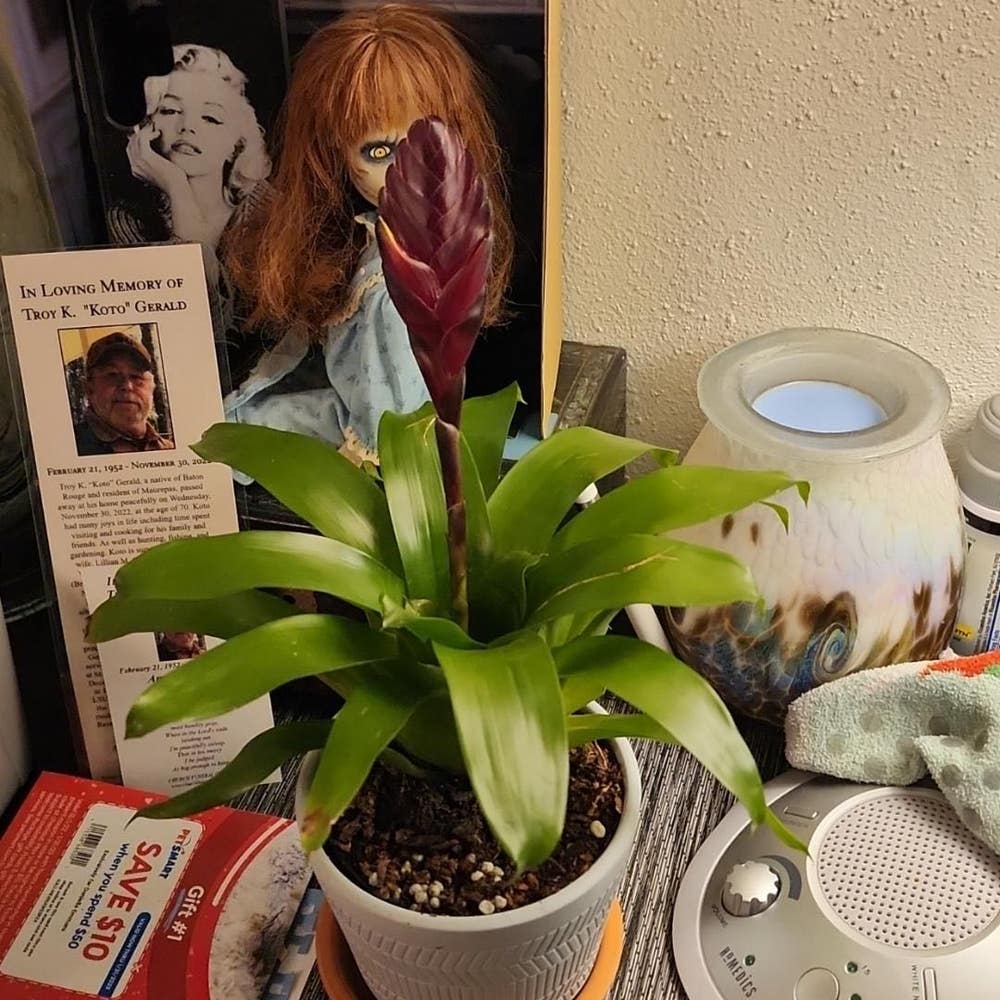
Vriesea carinata
By the Greg Editorial Team
Nov 23, 2024•4 min read
This article was created with the help of AI so we can cover more plants for you. May contain errors. See one? Report it here.
- 🌱 Bromeliads and marigolds are perfect companions, enhancing health and beauty of Flaming Sword.
- 🐞 Companion planting naturally deters pests, reducing the need for chemical controls.
- 🌈 Color and texture combinations with Flaming Sword create a vibrant, engaging garden design.
Best Companion Plants
🌺 Plant 1: Bromeliads
Bromeliads are an excellent choice for companion planting with Flaming Sword due to their similar humidity and temperature needs. These vibrant plants not only attract pollinators and beneficial insects but also provide ground cover, which helps reduce weed competition.
🌼 Plant 2: Marigolds
Marigolds are renowned for their pest-repellent properties, particularly against nematodes. Their bright colors not only enhance the visual appeal of your garden but also make them easy to grow and maintain, making them a favorite among gardeners.
🌴 Plant 3: Heliconia
Heliconia thrives in tropical conditions, making it a perfect companion for Flaming Sword. With its striking visual contrast and ability to attract hummingbirds, Heliconia not only beautifies your garden but also enhances pollination.
🌾 Plant 4: Ornamental Grasses
Ornamental grasses add texture and movement to your garden, complementing the Flaming Sword beautifully. They require similar sunlight and watering conditions, and they play a vital role in preventing soil erosion while improving soil structure.
These companion plants not only enhance the beauty of your garden but also create a thriving ecosystem that supports the health of your Flaming Sword. Next, we’ll explore how these plants can help with pest management, ensuring your garden remains vibrant and healthy.
Pest Management
🌱 Deter pests with companion plants
Companion planting is a powerful strategy for managing pests naturally. By selecting the right plants, you can create a balanced ecosystem that deters harmful insects while attracting beneficial ones.
Plants like marigolds and bromeliads play a crucial role in this process. They not only repel pests but also foster an environment where natural predators can thrive, reducing the need for chemical interventions.
🐞 Specific pest-repellent properties
Marigolds are particularly effective against common garden pests like aphids and whiteflies. Their vibrant blooms are not just pretty; they release compounds that deter these nuisances, making them a must-have in your garden.
Bromeliads, on the other hand, attract beneficial insects such as ladybugs and lacewings. These helpful critters prey on pests, providing a natural form of pest control that keeps your Flaming Sword healthy and thriving.
By incorporating these companion plants, you can enhance your garden's resilience against pests while promoting a vibrant ecosystem. This approach not only protects your plants but also enriches the overall gardening experience.
As we explore the visual appeal of companion plants next, you'll see how these choices can elevate your garden's aesthetic while keeping it healthy.
Visual Appeal
Enhance visual appeal 🌼
Creating a visually stunning garden with Flaming Sword involves selecting companion plants that offer complementary colors and forms. This cohesive design not only enhances the beauty of your space but also creates a harmonious atmosphere.
Height Variation for Depth 📏
Incorporating plants of varying heights adds depth to your garden. Taller plants can serve as a backdrop, while shorter ones fill in the foreground, creating a layered effect that draws the eye.
Color and Texture Combinations 🎨
When pairing plants with Flaming Sword, consider vibrant color combinations. For instance, the bold reds and greens of Flaming Sword contrast beautifully with the sunny yellows of marigolds or the deep blues of ornamental grasses.
Textural Contrasts 🌿
Mixing textures is equally important. The rigid, sword-like leaves of Flaming Sword can be complemented by the softer, feathery foliage of ornamental grasses, creating an engaging visual dynamic.
Examples of Color Pairings 🌈
- Flaming Sword + Marigolds: The bright yellows of marigolds pop against the striking foliage.
- Flaming Sword + Bromeliads: The lush greens of bromeliads enhance the tropical vibe.
Final Thoughts on Visual Appeal 💭
By thoughtfully selecting companion plants, you can elevate the visual impact of your Flaming Sword. This not only beautifies your garden but also fosters a sense of tranquility and joy in your outdoor space.
Next, we’ll explore how to manage pests effectively using companion plants.
Plants to Avoid
🌱 Incompatible Plants
When planning your garden alongside the Flaming Sword, it's crucial to be aware of plants that may not play well together. Certain ferns and heavy feeders can compete for resources, leading to a less harmonious garden environment.
🚫 Reasons for Incompatibility
These incompatible plants often vie for light, water, and nutrients, which can stunt the growth of your Flaming Sword. Additionally, some may attract pests or even transmit diseases, putting your vibrant garden at risk.
By avoiding these plants, you can ensure a thriving ecosystem that supports your Flaming Sword and its companions. This thoughtful selection will help maintain a balanced garden that flourishes beautifully.
As you consider your plant choices, remember that the right companions can enhance your garden's health and aesthetic. Next, let’s explore how to enhance the visual appeal of your Flaming Sword with complementary plants.
⚠️ Safety First
This content is for general information and may contain errors, omissions, or outdated details. It is not medical, veterinary advice, or an endorsement of therapeutic claims.
Always consult a qualified healthcare professional before using any plant as food, medicine, or supplement.
Never eat any plant (or feed one to pets) without confirming its identity with at least two trusted sources.
If you suspect poisoning, call Poison Control (800) 222-1222, the Pet Poison Helpline (800) 213-6680, or your local emergency service immediately.
Spotted an error? Please report it here.
Enhance your Flaming Sword's beauty and health with companion plants like bromeliads and marigolds 🌼, and let Greg provide you with tailored care tips to ensure your garden thrives in perfect harmony!