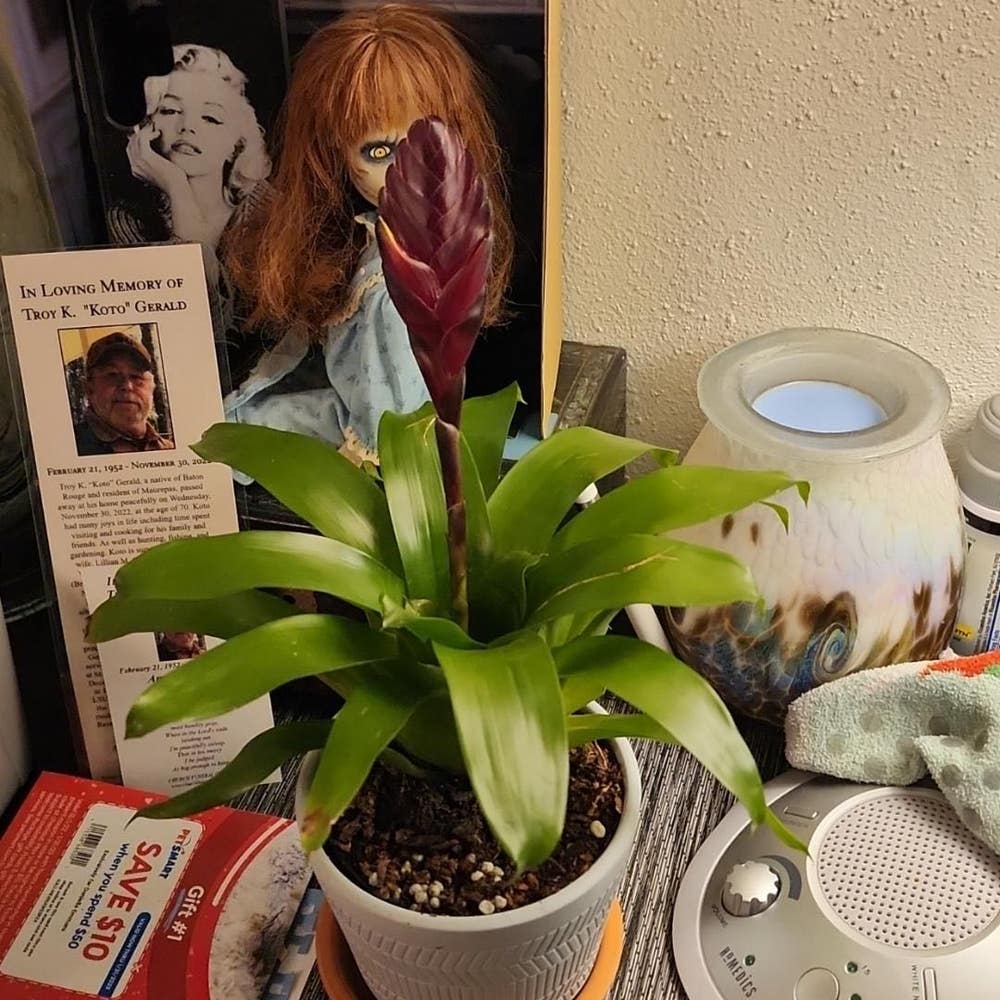
Lobster Claw Zones 🦞
Vriesea carinata
By the Greg Editorial Team
Oct 16, 2024•4 min read
This article was created with the help of AI so we can cover more plants for you. May contain errors. See one? Report it here.
- 🌞 Lobster Claw thrives in USDA zones 9-11, perfect for warmer climates.
- ❄️ Frost sensitivity means knowing local frost dates is crucial for successful growth.
- 🌿 Consistent moisture and full sun are vital for vibrant Lobster Claw foliage.
Lobster Claw Temperature Tolerance
❄️ Cold Tolerance Specifics
Lobster Claw thrives in USDA hardiness zones 9-11, making it well-suited for warmer climates. It can withstand temperatures down to 30°F (-1°C), but be cautious—this plant is sensitive to frost.
🔥 Heat Tolerance Specifics
For optimal growth, Lobster Claw prefers temperatures between 70°F to 90°F (21°C to 32°C). While it can endure higher temperatures, consistent moisture is crucial to prevent stress and ensure healthy development.
🌨️ Impact of Frost on Growth
Frost can severely damage Lobster Claw foliage, inhibiting its growth potential. Knowing the first and last frost dates in your area is essential for successful cultivation, as timing can make all the difference.
Understanding these temperature tolerances will help you create the ideal environment for your Lobster Claw, setting the stage for thriving growth. Next, let’s explore the ideal growing regions for this vibrant plant.
Ideal Growing Regions
🌍 Examples of Suitable US States
Lobster Claw thrives in several warm climates across the United States.
- Florida: The warm, humid climate is a paradise for Lobster Claw, allowing it to flourish.
- California: Coastal regions offer the perfect blend of warmth and moisture, essential for healthy growth.
- Texas: Southern areas with mild winters create an ideal environment for this vibrant plant.
🌱 Factors Contributing to Ideal Conditions
Several key factors make these regions suitable for Lobster Claw.
- Climate: Consistently warm temperatures and high humidity levels are crucial for optimal growth.
- Soil: Well-draining soil that retains moisture helps prevent root rot while keeping the plant hydrated.
- Sunlight: Full sun exposure is vital, as it encourages robust growth and vibrant foliage.
Understanding these conditions can help you cultivate a thriving Lobster Claw in your garden. With the right environment, this plant can truly shine, adding a splash of color and life to your landscape.
Microclimates and Their Effects
How Microclimates Can Extend Growing Zones 🌱
Microclimates are localized areas that can significantly alter the growing conditions for plants. They create warmer or cooler zones, allowing plants like Lobster Claw to thrive outside their typical hardiness zones.
These microclimates can be game-changers for gardeners. By understanding and utilizing them, you can expand your gardening possibilities and enhance plant health.
Examples of Beneficial Microclimates 🌇
Urban areas often serve as excellent microclimates. The heat generated by buildings and pavement can create warmer conditions, making it easier for Lobster Claw to flourish.
Protected areas also play a crucial role. Locations shielded from wind or frost can provide a safe haven for Lobster Claw, promoting healthy growth and vibrant foliage.
Understanding these microclimates can empower you to make the most of your gardening space. By leveraging local conditions, you can cultivate a thriving Lobster Claw garden, even in less-than-ideal climates.
As we explore the ideal growing regions next, consider how these microclimates might influence your choices.
State-Level Suitability Analysis
🌞 Suitable US States
Lobster Claw thrives in several states that fall within USDA zones 9-11. The prime locations include Florida, California, Texas, Hawaii, and Louisiana, where the climate is warm and humid.
These states provide the ideal conditions for Lobster Claw to flourish, thanks to their consistent temperatures and moisture levels.
❄️ Unsuitable US States
On the flip side, states like North Dakota, Montana, Maine, and Vermont are not suitable for Lobster Claw. These regions experience colder temperatures that fall outside the plant's tolerance range.
Frost occurrences in these areas can severely hinder growth, making them less than ideal for this tropical beauty.
📊 Reasons for Suitability or Unsuitability
The suitability of these states largely hinges on climate factors. Average winter temperatures and the frequency of frost play a crucial role in determining where Lobster Claw can thrive.
Additionally, soil and moisture conditions are vital. Well-draining soil that retains moisture is essential for the health of Lobster Claw, making it imperative to consider these factors when planning your garden.
Understanding these elements can help you choose the best location for your Lobster Claw, ensuring it grows beautifully and vibrantly.
⚠️ Safety First
This content is for general information and may contain errors, omissions, or outdated details. It is not medical, veterinary advice, or an endorsement of therapeutic claims.
Always consult a qualified healthcare professional before using any plant as food, medicine, or supplement.
Never eat any plant (or feed one to pets) without confirming its identity with at least two trusted sources.
If you suspect poisoning, call Poison Control (800) 222-1222, the Pet Poison Helpline (800) 213-6680, or your local emergency service immediately.
Spotted an error? Please report it here.
Cultivating a vibrant Lobster Claw garden 🌺 is easy with Greg's tailored care reminders and tips, ensuring you navigate local climates and conditions for thriving plants!