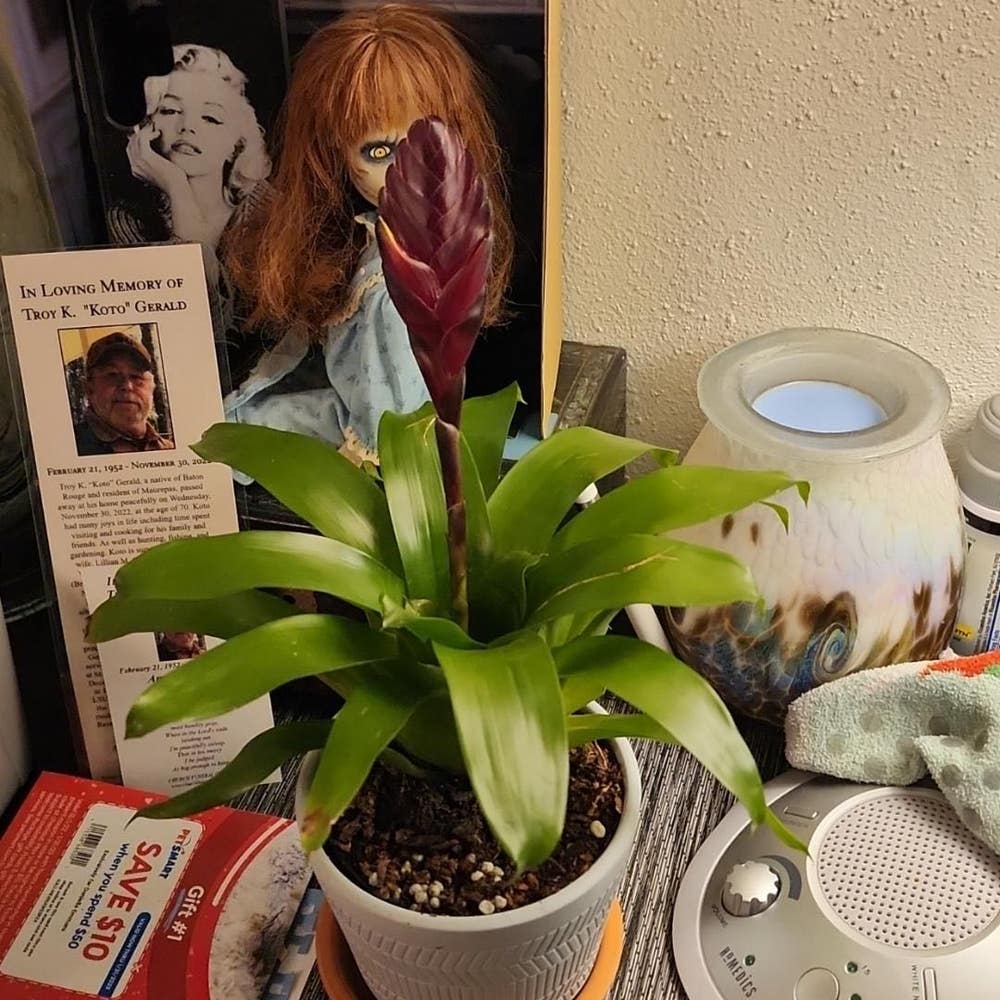
How to Fix Your Lobster Claw Wilting 🦞
Vriesea carinata
By the Greg Editorial Team
Oct 16, 2024•5 min read
This article was created with the help of AI so we can cover more plants for you. May contain errors. See one? Report it here.
- 💧 Water stress from over or under-watering causes Lobster Claw wilting.
- 🌡️ Heat stress leads to crispy edges; maintain 20°C to 30°C for health.
- 🦠 Disease is rare; quick identification prevents spread and protects your plant.
Common Causes of Wilting Leaves
💧 Water Stress
Water stress is a common culprit behind wilting leaves. Both insufficient and excessive watering can lead to dehydration or root rot, causing your Lobster Claw to droop.
Symptoms to watch for include drooping leaves, dry soil, and mushy roots. If you notice these signs, it’s time to reassess your watering routine.
🔥 Heat Stress
Heat stress can also wreak havoc on your plant. High temperatures or direct sunlight can cause leaf desiccation, leading to crispy edges and yellowing.
Keep an eye out for wilting leaves as well. If your plant is exposed to intense heat, it may need a cooler spot to thrive.
🦠 Disease-Related Wilting
Though rare, certain diseases can cause wilting in Lobster Claw plants. This type of wilting often appears suddenly, without prior signs of water or heat stress.
It's important to note that pathogenic wilt is uncommon in healthy plants. If you suspect disease, act quickly to identify the issue before it spreads.
Diagnosing Wilting
📝 Step-by-Step Guide
Diagnosing wilting in your Lobster Claw plant requires a systematic approach. Start by assessing soil moisture; check if the soil is too dry or overly saturated.
Next, evaluate the environmental conditions. Measure the temperature and humidity levels to ensure they are within the ideal range.
Inspect the leaves for any signs of discoloration, spots, or pests. This can provide crucial clues about the plant's health.
Finally, check root health by gently removing the plant from its pot. Look for signs of rot or damage that could be affecting its ability to absorb water.
🔍 Signs to Look For
Keep an eye out for leaf droopiness and discoloration, as these are common indicators of stress.
Also, check for the presence of pests or fungal growth, which can exacerbate wilting issues.
Lastly, evaluate the soil condition; it should not be dry, soggy, or compacted, as these factors can significantly impact your plant's health.
By carefully observing these signs, you can pinpoint the cause of wilting and take appropriate action. This proactive approach will help ensure your Lobster Claw thrives in its environment.
As you diagnose the issue, remember that understanding the underlying causes is key to reviving your plant and preventing future wilting.
Solutions for Wilting
💧 Actionable Advice for Water Stress
Adjusting your watering schedule is crucial. Water your Lobster Claw when the top inch of soil feels dry to the touch.
Proper drainage is equally important. Ensure your pots have drainage holes and use well-draining soil to prevent root rot.
🌡️ Actionable Advice for Heat Stress
If your plant is suffering from heat stress, consider relocating it. Move it to a shaded area where it can enjoy indirect sunlight.
Increasing humidity can also help. Use a humidity tray or mist the leaves regularly to create a more favorable environment.
🦠 Actionable Advice for Disease-Related Wilting
For disease-related issues, start by removing affected leaves. Pruning any diseased foliage helps prevent the spread of illness.
If you suspect a fungal infection, treat it with appropriate fungicides. This step is essential to safeguard the health of your plant.
By addressing these issues promptly, you can revive your Lobster Claw and keep it thriving. Next, let’s explore preventive measures to minimize future wilting episodes.
Preventive Measures
Tips to Minimize Future Wilting Episodes 🌱
To keep your Lobster Claw thriving, regularly monitor soil moisture and environmental conditions. This simple habit can prevent both overwatering and dehydration.
Consistency is key. Maintain a steady watering schedule and ensure humidity levels are appropriate for your plant's needs.
Environmental Adjustments 🌍
Creating the right environment is crucial for your Lobster Claw's health. Aim for an ideal temperature range of 20°C to 30°C (68°F to 86°F) to promote optimal growth.
Humidity also plays a significant role. Keep levels between 60% to 80% to mimic the tropical conditions these plants love.
By implementing these preventive measures, you can significantly reduce the chances of wilting and ensure your Lobster Claw remains vibrant and healthy. Next, let’s explore effective techniques for reviving a wilted plant.
Reviving a Wilted Plant
🌊 Techniques for Bottom Watering
- Fill a basin with water. This simple step sets the stage for your plant's revival.
- Place the pot in the basin and allow the soil to absorb moisture from the bottom. This method promotes even hydration.
- Remove once the topsoil feels moist. Your plant will thank you for this gentle approach.
🏡 Relocating the Plant Temporarily
- Move to a more suitable environment. Choose a location with stable temperature and humidity. A little change can make a big difference in your plant's health.
✂️ Pruning Damaged Leaves
- Use clean, sharp scissors to remove wilted or damaged leaves. This not only tidies up the plant but also helps redirect energy to healthier growth.
- Encourage new growth by reducing stress on the plant. A little pruning can go a long way in revitalizing your Lobster Claw.
Reviving a wilted plant is all about understanding its needs and responding with care. With these techniques, you can breathe new life into your Lobster Claw and ensure it thrives in the future. Next, let’s explore when it’s time to seek expert help for persistent issues.
When to Seek Help
🚨 Signs That Require Expert Assistance
If your Lobster Claw plant continues to wilt despite your best care efforts, it’s time to consider seeking help. Persistent wilting can indicate underlying issues that may not be easily resolved through standard adjustments.
Look out for signs of severe disease or pest infestation. If you notice unusual discoloration, rapid leaf drop, or visible pests, these could be red flags that require professional intervention.
📚 Resources for Assistance
Don’t hesitate to consult local nurseries for expert advice tailored to your specific situation. Knowledgeable staff can provide insights and solutions that might not be immediately apparent.
Additionally, engaging with the Greg plant care community can be incredibly beneficial. This supportive network offers a wealth of resources and shared experiences that can help you navigate your plant care challenges effectively.
By reaching out for help, you can ensure your Lobster Claw gets the best chance at recovery and thriving.
⚠️ Safety First
This content is for general information and may contain errors, omissions, or outdated details. It is not medical, veterinary advice, or an endorsement of therapeutic claims.
Always consult a qualified healthcare professional before using any plant as food, medicine, or supplement.
Never eat any plant (or feed one to pets) without confirming its identity with at least two trusted sources.
If you suspect poisoning, call Poison Control (800) 222-1222, the Pet Poison Helpline (800) 213-6680, or your local emergency service immediately.
Spotted an error? Please report it here.
Revive your wilting Lobster Claw by mastering its watering needs 💧 with Greg's tailored reminders and expert community support for a thriving plant!