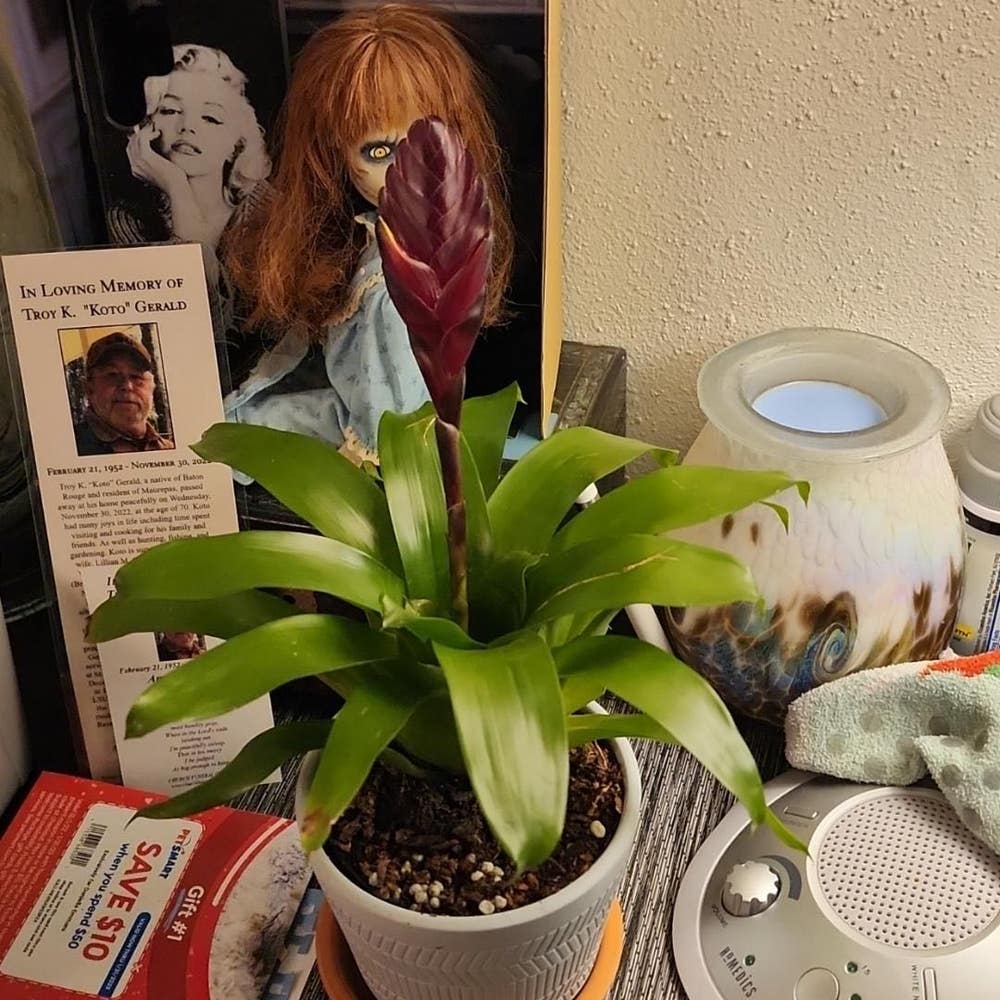
Lobster Claw: A Perennial Plant 🦞
Vriesea carinata
By the Greg Editorial Team
Nov 23, 2024•5 min read
This article was created with the help of AI so we can cover more plants for you. May contain errors. See one? Report it here.
- 🌱 Lobster Claw is a resilient perennial, thriving for 3-5 years with proper care.
- 🌼 Blooms multiple times yearly, enhancing gardens and attracting beneficial pollinators.
- 🌞 Requires full sunlight and well-draining soil for optimal growth and health.
Characteristics of Lobster Claw as a Perennial
🌱 Multi-Year Lifecycle
Lobster Claw, known for its vibrant foliage and unique shape, follows a fascinating multi-year lifecycle. It begins with germination, where seeds sprout and establish roots, followed by growth, flowering, dormancy, and ultimately, regrowth.
The root system plays a crucial role in this lifecycle. It not only anchors the plant but also stores energy, allowing Lobster Claw to thrive year after year.
🔄 Growth Patterns and Regrowth from Roots
Understanding Lobster Claw's growth patterns reveals its adaptability. During warm months, the plant actively grows, showcasing lush leaves and vibrant flowers, while cooler months signal a period of dormancy.
When spring arrives, Lobster Claw taps into the energy stored in its roots for regrowth. This efficient use of resources ensures that the plant emerges strong and ready to flourish once again.
With its remarkable lifecycle and growth patterns, Lobster Claw exemplifies the resilience of perennial plants. As we explore its flowering and seasonal changes next, we’ll see how these characteristics influence its blooming cycles.
Flowering and Seasonal Changes
Impact of Perennial Nature on Growth 🌱
The perennial nature of Lobster Claw significantly enhances its vigor and resilience. This classification allows the plant to thrive year after year, adapting to seasonal changes while maintaining robust growth.
In spring and summer, Lobster Claw experiences a burst of growth, fueled by longer daylight hours and warmer temperatures. Conversely, during fall and winter, the plant slows down, conserving energy and resources as it prepares for dormancy.
Flowering Cycles 🌸
Lobster Claw is known for its impressive flowering frequency, typically blooming multiple times throughout the year. This consistent flowering not only adds beauty to gardens but also attracts pollinators, enhancing the ecosystem.
Seasonal adaptations play a crucial role in its blooming patterns. Changes in temperature and humidity can influence when and how often Lobster Claw flowers, ensuring it maximizes its reproductive success in varying conditions.
As we explore the dormancy and recovery phases of Lobster Claw, we’ll uncover how this resilient plant navigates the challenges of seasonal changes.
Dormancy and Recovery
Description of Dormancy 🌱
Dormancy is a crucial phase for Lobster Claw during the cooler months. This period allows the plant to conserve energy and resources, preparing it for the next growth cycle.
Signs of dormancy are quite noticeable. Leaves may yellow and fall off, while the overall growth slows significantly, indicating that the plant is entering a restful state.
Recovery from Dormancy 🌞
During dormancy, Lobster Claw employs several adaptation strategies. It conserves energy by minimizing metabolic processes, ensuring it can survive until warmer weather returns.
As temperatures rise, the timeline for regrowth begins. Typically, Lobster Claw starts to show signs of new growth within a few weeks of warmer conditions, thriving on the energy stored in its roots.
Advantages for Gardeners
🌱 Benefits of Reduced Replanting
Planting perennials like Lobster Claw is a smart long-term investment. Once established, these plants save you money and effort since they don’t require replanting each season.
This convenience means less labor for you, allowing more time to enjoy your garden. With Lobster Claw, you can focus on nurturing your plants rather than constantly replacing them.
🌳 Importance of Established Root Systems
Established root systems are crucial for the health and resilience of Lobster Claw. These roots anchor the plant, helping it withstand environmental stresses and promoting robust growth.
Additionally, perennial roots play a significant role in enhancing soil health. They improve soil structure and contribute to nutrient retention, creating a thriving ecosystem for your garden.
With these advantages, Lobster Claw not only beautifies your space but also supports the overall health of your garden. This makes it a fantastic choice for both novice and experienced gardeners alike.
As we explore further, let’s look at the lifespan and longevity factors that make Lobster Claw a standout perennial.
Lifespan and Longevity Factors
Expected Lifespan 🌱
Lobster Claw, known for its vibrant foliage and striking appearance, typically enjoys a lifespan of 3 to 5 years as a perennial plant. This longevity is impressive when compared to other perennials, which may only last a couple of years before needing replacement.
Factors Influencing Longevity 🌿
Several factors can influence how long Lobster Claw thrives in your garden.
Climate Zone Variations 🌡️
Temperature, humidity, and soil conditions play a crucial role in its lifespan. For instance, Lobster Claw flourishes in warm, humid climates, while extreme cold can shorten its life.
Specific Adaptations 🌍
This plant has remarkable adaptations that allow it to thrive in various environments. Its robust root system helps it withstand drought and recover quickly from adverse conditions, ensuring it remains a vibrant part of your garden for years to come.
Understanding these factors can help you create the ideal environment for Lobster Claw, maximizing its lifespan and beauty. As you plan your garden, consider how these elements interact to support the health of your plants.
Tips for Maximizing Benefits in Garden Planning
Strategic Planting Considerations 🌱
Choosing the right location for your Lobster Claw is crucial. These plants thrive in full sunlight, so aim for a spot that receives at least six hours of direct light each day.
Soil type matters too. Lobster Claw prefers well-draining soil rich in organic matter. Ensure the area has good moisture retention without becoming waterlogged.
Companion planting can enhance your garden's ecosystem. Pairing Lobster Claw with other perennials can improve pollination and deter pests, creating a vibrant and resilient garden.
Long-Term Cultivation Strategies 🌿
Maintaining your Lobster Claw is relatively straightforward. Regular watering during dry spells and occasional fertilization can keep your plants healthy and vigorous.
Seasonal care is essential for supporting growth and flowering. In spring, prune any dead or damaged stems to encourage new growth, and during the fall, prepare your plants for dormancy by reducing watering gradually.
With these tips, you can maximize the benefits of Lobster Claw in your garden, ensuring a flourishing display year after year. As you cultivate these resilient plants, you'll appreciate their beauty and the ease they bring to your gardening experience.
⚠️ Safety First
This content is for general information and may contain errors, omissions, or outdated details. It is not medical, veterinary advice, or an endorsement of therapeutic claims.
Always consult a qualified healthcare professional before using any plant as food, medicine, or supplement.
Never eat any plant (or feed one to pets) without confirming its identity with at least two trusted sources.
If you suspect poisoning, call Poison Control (800) 222-1222, the Pet Poison Helpline (800) 213-6680, or your local emergency service immediately.
Spotted an error? Please report it here.
Ensure your Lobster Claw thrives 🌱 year after year with Greg's tailored care reminders and watering plans that keep your garden flourishing through every season!