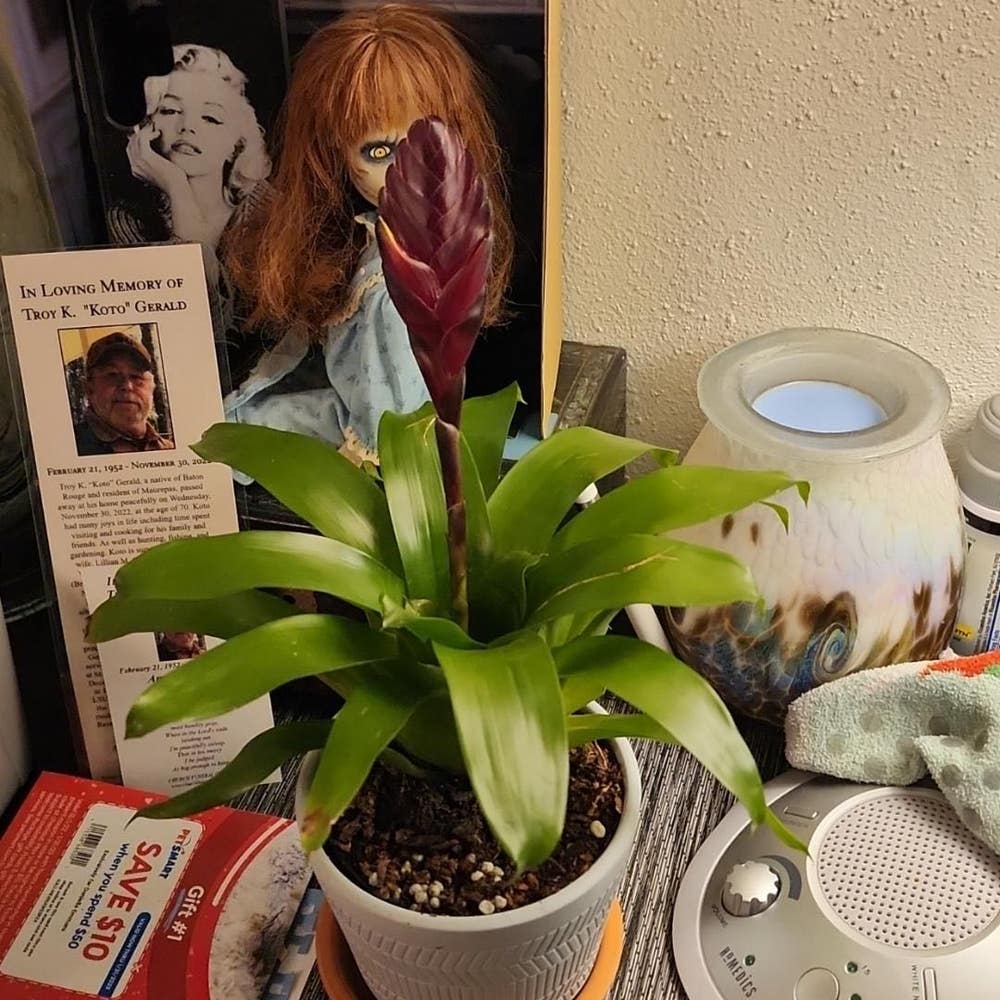
5 Tips for Pollinating Lobster Claw 🐝
Vriesea carinata
By the Greg Editorial Team
Nov 23, 2024•6 min read
This article was created with the help of AI so we can cover more plants for you. May contain errors. See one? Report it here.
- 🌺 Lobster Claw flowers attract bees, butterflies, and hummingbirds for effective pollination.
- 🤝 Cross-pollination boosts genetic diversity, while self-pollination is also possible.
- 🌱 Hand pollination enhances success; timing and flower part identification are key.
Flower Structure
Description of Flower Shape, Color, and Arrangement 🌈
The Lobster Claw flower boasts a unique claw-like structure, characterized by its elongated bracts that create a striking visual impact. These flowers come in vibrant colors, including bright reds, yellows, and greens, which vary depending on the species.
The arrangement of these flowers is equally captivating. They cluster along a central stem, with the bracts enhancing their appeal and making them a standout feature in any garden.
Role of Flower Characteristics in Pollination 🐝
The bright colors and distinctive shapes of Lobster Claw flowers play a crucial role in attracting pollinators. These visual cues draw in a variety of species, eager to access the sweet nectar.
Moreover, the strategic arrangement of stamens and pistils makes it easy for pollinators to reach the reproductive parts of the flower. This accessibility significantly boosts the chances of successful pollen transfer, ensuring the plant's reproductive success.
With such fascinating flower structures, it's clear how vital they are for the pollination process. Next, we’ll explore the pollination process itself, including self-pollination and the role of various pollinators.
Pollination Process
Self-Pollination and Cross-Pollination 🌱
Lobster Claw flowers have a fascinating ability to self-pollinate, allowing them to produce seeds without external help. However, cross-pollination is the star of the show, as it enhances genetic diversity, making the plants more resilient to diseases and environmental changes.
Primary Pollinators 🐝
Several pollinators are drawn to the vibrant Lobster Claw flowers.
- Bees are particularly attracted to the bright colors and sweet nectar, making them essential for effective pollination.
- Butterflies are also frequent visitors, captivated by the unique shape and vivid hues of the flowers.
- Moths, active during twilight hours, are lured in by the enticing fragrance of the blooms.
- Hummingbirds can't resist the bright colors and tubular shape, making them key players in the pollination process.
These pollinators work tirelessly, ensuring that the Lobster Claw can thrive and reproduce effectively. Understanding their roles helps us appreciate the intricate relationships in nature and the importance of protecting these vital species.
As we delve deeper into the natural mechanisms of pollination, we’ll explore how pollen is transferred and the significance of this process for the plant's reproduction and genetic diversity.
Natural Pollination Mechanisms
🌼 Mechanisms of Pollen Transfer
During natural pollination, pollen moves from the male stamens to the female pistils, a process crucial for the reproduction of the Lobster Claw plant. This transfer occurs primarily through the actions of pollinators, who inadvertently carry pollen as they seek nectar.
Gravity and wind also play supportive roles in this process. While pollinators are the main agents, these natural forces can help disperse pollen, ensuring that it reaches the receptive parts of the flower.
🌱 Importance of Pollination for Reproduction and Genetic Diversity
Pollination is essential for producing seeds and fruits, which are vital for the continuation of the Lobster Claw species. Without effective pollination, these plants cannot reproduce, leading to a decline in their populations.
Moreover, pollination enhances genetic diversity. This diversity is crucial as it increases the adaptability of the species to environmental changes and diseases, ensuring a robust and resilient ecosystem.
As we explore the next section on hand pollination techniques, consider how you can contribute to the pollination process and support the thriving life around your Lobster Claw plants.
Hand Pollination Techniques
Hand pollination can be a rewarding way to ensure your Lobster Claw plants thrive. Here’s a straightforward guide to help you through the process.
Step 1: Identify Male and Female Flower Parts 🌸
First, you need to recognize the different parts of the flower. The male parts are the stamens, which produce pollen, while the female parts are the pistils, located at the center of the flower.
Step 2: Collecting Pollen 🧹
Next, gather the pollen. Use a small brush or a cotton swab to gently collect pollen from the stamens. This step is crucial for successful pollination.
Step 3: Transferring Pollen 🔄
Now it's time to transfer the pollen. Carefully apply the collected pollen to the pistil of the same flower or another flower. This ensures that the pollen reaches the ovule for fertilization.
Step 4: Timing for Hand Pollination ⏰
Timing is key for effective hand pollination. The best time to perform this task is in the morning when the flowers are fully open and receptive.
By following these steps, you can enhance the pollination process for your Lobster Claw plants, ensuring they produce vibrant blooms and healthy seeds.
Next, let’s explore how to create a pollinator-friendly environment to support these beautiful plants.
Supporting Pollinators
🌼 Creating a Pollinator-Friendly Environment
To support pollinators, start by planting native flowers that bloom at various times throughout the year. This strategy ensures a continuous food source, attracting a diverse range of pollinators.
Additionally, it's crucial to avoid using pesticides that can harm beneficial insects. Opt for organic gardening methods to create a safe haven for these vital creatures.
🌸 Companion Plants that Attract Beneficial Pollinators
Companion planting is a fantastic way to enhance your garden's appeal to pollinators. Here are some excellent choices:
- Marigolds: These vibrant flowers attract bees and butterflies, adding color and life to your garden.
- Lantana: Known for its clusters of colorful blooms, lantana provides nectar for butterflies and hummingbirds alike.
- Salvia: This plant is a favorite among hummingbirds and other pollinators, thanks to its tubular flowers rich in nectar.
By incorporating these companion plants, you not only beautify your garden but also create a thriving ecosystem for pollinators.
As you cultivate a pollinator-friendly environment, remember that every small effort counts. Your garden can become a sanctuary for these essential creatures, contributing to the health of our ecosystems. Next, let’s explore the challenges pollinators face and how we can overcome them.
Pollination Challenges
🌪️ Common Obstacles to Successful Pollination
Pollination can be hindered by various environmental factors. Temperature fluctuations and humidity levels can significantly affect pollinator activity, making it challenging for them to do their job effectively.
Urbanization and habitat loss are also major culprits. These changes lead to a decline in pollinator populations, which directly impacts the pollination of plants like the Lobster Claw.
🛠️ Solutions for Overcoming Challenges
Creating habitats that support pollinator species is essential. This can be achieved by planting native flowers and maintaining diverse ecosystems that provide food and shelter.
When natural pollination falls short, hand pollination techniques can be a lifesaver. This method ensures that your Lobster Claw plants receive the necessary pollen for successful reproduction.
🌡️ Impact of Environmental Factors on Pollination Success
Temperature plays a crucial role in pollination success. Pollinators are most active within an optimal temperature range, which also influences flower opening.
Humidity is equally important. Maintaining adequate moisture levels not only supports flower health but also enhances pollinator attraction, ensuring a thriving garden ecosystem.
By understanding these challenges and implementing effective solutions, you can significantly improve the pollination success of your Lobster Claw plants. Next, let’s explore how to create a pollinator-friendly environment that supports these vital creatures.
⚠️ Safety First
This content is for general information and may contain errors, omissions, or outdated details. It is not medical, veterinary advice, or an endorsement of therapeutic claims.
Always consult a qualified healthcare professional before using any plant as food, medicine, or supplement.
Never eat any plant (or feed one to pets) without confirming its identity with at least two trusted sources.
If you suspect poisoning, call Poison Control (800) 222-1222, the Pet Poison Helpline (800) 213-6680, or your local emergency service immediately.
Spotted an error? Please report it here.
Boost your Lobster Claw's pollination success 🌺 with Greg's tailored tips and reminders, ensuring your garden flourishes while supporting vital pollinators!