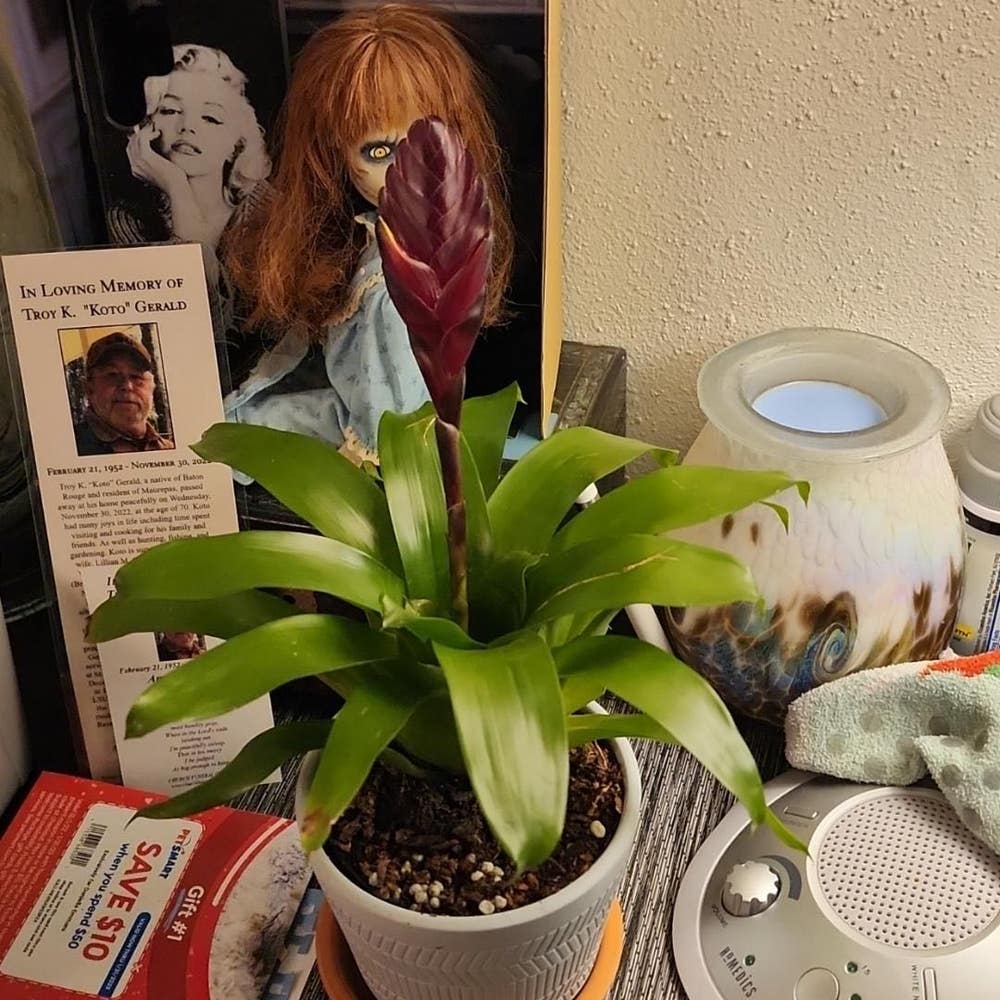
Ultimate Guide to Light Requirements for Lobster Claw 🦞
Vriesea carinata
By the Greg Editorial Team
Nov 23, 2024•5 min read
This article was created with the help of AI so we can cover more plants for you. May contain errors. See one? Report it here.
- 🌞 Lobster claw plants need 12-14 hours of light daily for optimal health.
- 🌿 Bright indirect light is best, but they can tolerate some direct sunlight.
- 💡 Use grow lights to supplement natural light for indoor plants when necessary.
Importance of Light for Growth
🌞 Role of Light in Photosynthesis
Light is the primary energy source for photosynthesis, the process by which plants convert light energy into chemical energy. Without adequate light, plants struggle to produce the food they need, leading to stunted growth and poor health.
The impact of light on overall plant health is profound. Sufficient light not only fuels photosynthesis but also enhances plant vigor, resulting in lush foliage and vibrant blooms.
💡 Light Intensity and Conditions
Light intensity refers to the amount of light that reaches a plant's leaves, typically measured in lux or foot-candles. For healthy growth, lobster claw plants thrive in an optimal light intensity range of 2000-4000 lux.
Bright indirect light is particularly beneficial for these plants. They can also tolerate up to four hours of direct sunlight daily, making them adaptable to various indoor and outdoor conditions.
Indoor Light Guidance
Best Indoor Locations and Grow Lights 🌞
Finding the right spot for your lobster claw plant is crucial. Aim for locations near south or west-facing windows, where they can soak up the most light.
Avoid placing them in drafty areas or spots with extreme temperature fluctuations. These conditions can stress the plant and hinder its growth.
When natural light isn't enough, consider using grow lights. LED and fluorescent lights are excellent choices, with a recommended spectrum of 3000K to 6500K to mimic natural sunlight effectively.
Light Duration and Consistency ⏰
For optimal growth, your lobster claw should receive 12-14 hours of light each day. This duration helps maintain its health and vigor.
Consistency is key; maintaining regular light exposure is essential for indoor growth. Fluctuations in light duration can confuse the plant and affect its overall development.
With the right light conditions, your lobster claw will thrive, setting the stage for a vibrant indoor garden. Next, let’s explore how to provide the best outdoor light guidance for these stunning plants.
Outdoor Light Guidance
Ideal Outdoor Conditions and Sunlight Exposure 🌞
Lobster Claw thrives best in warm, humid climates with well-draining soil. This environment mimics its natural habitat, allowing for optimal growth and vibrant blooms.
For sunlight exposure, aim for 6-8 hours of direct sunlight daily. This amount of light is crucial for robust growth and flowering. However, in particularly hot climates, providing some partial shade can help protect the plant from scorching and stress.
By ensuring these conditions, you set your Lobster Claw up for success, allowing it to flourish beautifully in your outdoor space.
As we move forward, let’s explore how light influences the flowering process of this stunning plant.
Light and Flowering
🌼 Role of Light in Flowering Process
Light plays a crucial role in the flowering process of the Lobster Claw plant. It influences the plant's ability to produce flowers by triggering hormonal changes that signal flowering.
🌞 Importance of Consistent Light Exposure
Consistent light exposure is vital for successful flowering. A stable light schedule helps the plant recognize when to bloom, ensuring vibrant and plentiful flowers.
Maintaining a regular light cycle mimics natural conditions, which is essential for healthy growth. Aim for about 12-14 hours of light daily to support this process effectively.
In summary, understanding the relationship between light and flowering can significantly enhance your Lobster Claw's blooming potential. With the right light conditions, you can enjoy a stunning display of flowers that showcases the beauty of this unique plant.
Next, let’s explore common light-related issues that can affect your Lobster Claw’s health and flowering.
Common Light-Related Issues
Signs of Insufficient Light 🌑
When your lobster claw plant isn't getting enough light, it will show distinct signs. Look for leggy growth, where the stems stretch out in search of light, and yellowing leaves that signal distress.
Reduced flowering is another clear indicator. If your plant isn’t blooming, it might be time to reassess its light exposure.
Solutions for Insufficient Light 💡
To remedy insufficient light, consider relocating your plant to a brighter spot. A south or west-facing window often provides the best natural light.
If moving isn’t an option, supplemental grow lights can make a significant difference. LED or fluorescent lights can help bridge the gap, ensuring your plant gets the energy it needs.
Symptoms of Overexposure ☀️
On the flip side, too much light can be just as harmful. Scorched leaves are a telltale sign that your lobster claw is getting fried by the sun.
Faded colors can also indicate overexposure. If your plant looks washed out, it’s time to adjust its light conditions.
Remedies for Overexposure 🌤️
To address overexposure, consider moving your plant to a location with filtered light or partial shade. This can help protect it from harsh sunlight.
If the damage is severe, trimming back scorched leaves can promote new growth and rejuvenate your plant.
Conclusion
Understanding these light-related issues is crucial for maintaining a healthy lobster claw plant. By recognizing the signs and implementing the right solutions, you can ensure your plant thrives in its environment.
Next, let’s explore how light influences the flowering process of your lobster claw.
⚠️ Safety First
This content is for general information and may contain errors, omissions, or outdated details. It is not medical, veterinary advice, or an endorsement of therapeutic claims.
Always consult a qualified healthcare professional before using any plant as food, medicine, or supplement.
Never eat any plant (or feed one to pets) without confirming its identity with at least two trusted sources.
If you suspect poisoning, call Poison Control (800) 222-1222, the Pet Poison Helpline (800) 213-6680, or your local emergency service immediately.
Spotted an error? Please report it here.
Unlock your lobster claw's blooming potential 🌺 by using Greg's tailored light tips and reminders to ensure it gets the ideal exposure it craves!