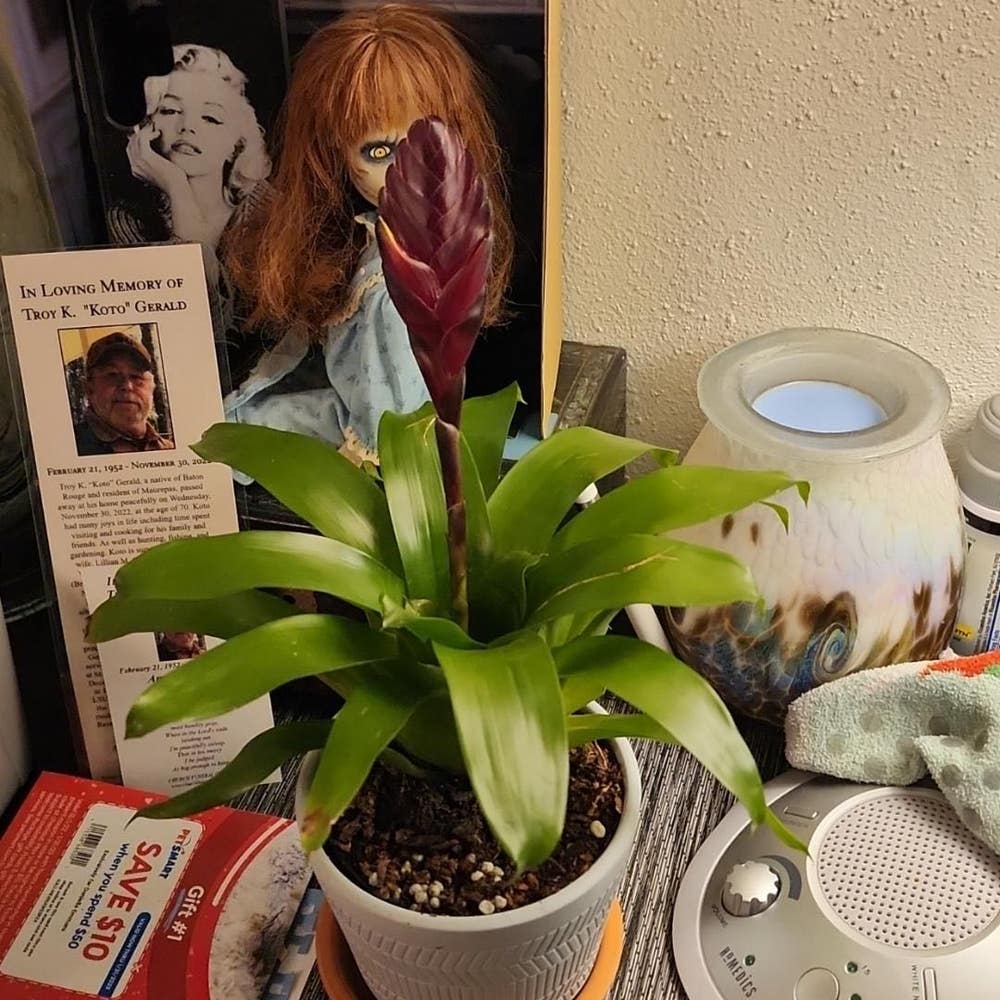
3 Tips for Fixing Flower Problems in Lobster Claw 🦞
Vriesea carinata
By the Greg Editorial Team
Oct 18, 2024•6 min read
This article was created with the help of AI so we can cover more plants for you. May contain errors. See one? Report it here.
- 🌞 Lobster Claw needs 6-8 hours of indirect sunlight for optimal blooming.
- 💧 Maintain proper watering to prevent stunted growth and promote flowers.
- 🌱 Balanced NPK fertilizers every 4-6 weeks support healthy flower development.
Failure to Bloom
🌞 Causes
Insufficient Light
Lobster Claw plants thrive on 6-8 hours of indirect sunlight daily. When they don’t get enough light, you’ll notice stunted growth and a lack of flower buds.
Improper Watering
Watering can be tricky. Overwatering leads to root rot, while underwatering causes wilting; both can stunt blooming. Always ensure your soil drains well to avoid these issues.
Nutrient Deficiencies
Key nutrients like nitrogen, phosphorus, and potassium are crucial for flowering. If your plant's leaves turn yellow or show poor growth, it might be lacking these essential nutrients.
🌱 Solutions
Adjusting Light Exposure
If your plant isn’t blooming, consider moving it to a brighter spot or using grow lights. This simple adjustment can make a world of difference.
Optimizing Watering Schedule
Water your Lobster Claw when the top inch of soil feels dry. Use your finger to check moisture levels, ensuring you don’t overwater or underwater.
Fertilization Tips
Opt for balanced NPK fertilizers to support blooming. Apply every 4-6 weeks during the growing season for the best results.
By addressing these common issues, you can help your Lobster Claw flourish and bloom beautifully. Next, let’s explore the causes and solutions for premature flower drop.
Premature Flower Drop
🌪️ Causes
Environmental Stress
Temperature fluctuations and humidity levels can wreak havoc on your Lobster Claw. Look for signs like drooping leaves and wilting, which indicate your plant is feeling the pressure.
Overwatering
Overwatering is a common culprit behind premature flower drop. Symptoms include root rot and yellowing leaves, highlighting the critical need for proper drainage.
Pest Infestations
Pests such as aphids and spider mites can also lead to flower drop. Keep an eye out for sticky residue or webbing, which are telltale signs of an infestation.
🛠️ Solutions
Identifying Stress Factors
Start by monitoring your plant's environment. Check temperature and humidity levels regularly to ensure they remain stable.
Proper Watering Techniques
Adjust your watering frequency based on the weather. Always allow the soil to dry out between waterings to prevent overwatering.
Pest Control Methods
For pest issues, consider organic options like neem oil or insecticidal soap. If the problem persists, systemic insecticides can provide a more robust solution.
Understanding these factors can help you maintain healthy blooms and prevent premature flower drop. Next, let’s explore how environmental factors impact flowering in your Lobster Claw.
Abnormal Flower Development
🌱 Causes
Genetic Factors
Selecting healthy, disease-free plants is crucial for vibrant blooms. Genetic predispositions can lead to abnormal flower development, so always opt for robust specimens.
Nutrient Imbalances
Both excess and deficiency of specific nutrients can disrupt flower structure. A balanced approach to fertilization is key to maintaining flower integrity.
Inadequate Light
Insufficient light can severely impact flower morphology. Without adequate sunlight, flowers may appear stunted or misshapen.
💡 Solutions
Selecting Healthy Plants
When shopping at nurseries, look for plants with strong stems and vibrant leaves. Avoid those with signs of disease or stress to ensure a better chance of healthy blooms.
Adjusting Nutrient Ratios
For optimal flowering, aim for a nutrient ratio higher in phosphorus. This nutrient is essential for flower development and can make a noticeable difference.
Ensuring Proper Light Conditions
Monitor your plants' light exposure regularly. Adjust their location or use grow lights to ensure they receive the necessary sunlight for healthy growth.
By addressing these factors, you can significantly improve the flowering potential of your Lobster Claw plants. Next, let’s explore how environmental factors impact flowering.
Impact of Environmental Factors on Flowering
🌞 Light Requirements
Importance of adequate sunlight for blooming
Light is crucial for photosynthesis, the process that fuels plant growth and flower production. Without sufficient sunlight, your Lobster Claw may struggle to bloom, leading to fewer flowers and diminished quality.
Correlation between light and flower quantity/quality
Plants typically thrive with 6-8 hours of indirect sunlight daily. When they receive the right amount of light, you’ll notice not just more blooms but also healthier, more vibrant flowers.
🍽️ Nutritional Needs
Key nutrients for healthy flower development
To flourish, Lobster Claw plants need essential nutrients like nitrogen, phosphorus, potassium, and magnesium. Each plays a unique role in supporting robust growth and vibrant blooms.
Role of micronutrients
Micronutrients such as iron, manganese, and zinc are also vital. They help in various physiological functions, ensuring your plant remains healthy and capable of producing beautiful flowers.
✂️ Pruning Techniques
Best practices for pruning to encourage flowering
Pruning is an effective way to promote new growth and flowering. The best time to prune your Lobster Claw is after flowering, allowing the plant to focus its energy on producing fresh blooms.
Techniques for bushier growth
Consider pinching back stems to encourage a bushier appearance. This technique not only enhances the plant's shape but also increases the number of flowering sites, leading to a more abundant display.
Understanding these environmental factors can significantly enhance your Lobster Claw's blooming potential. By optimizing light, nutrition, and pruning practices, you set the stage for a flourishing plant that brings joy and beauty to your space.
Pest and Disease Management
Common Pests Affecting Flowering 🐜
Identifying pests is crucial for maintaining healthy Lobster Claw plants. Common culprits include aphids, spider mites, and thrips.
- Aphids: These tiny insects suck sap from leaves, leading to distorted growth.
- Spider Mites: Often found on the undersides of leaves, they create fine webbing and cause yellowing.
- Thrips: These slender pests can damage flowers, resulting in reduced quality.
Symptoms of infestation typically include distorted leaves and a noticeable decline in flower quality. Catching these pests early can save your plants from significant damage.
Diseases That Affect Flower Development 🦠
Lobster Claw plants are also susceptible to various diseases. Understanding these can help you take preventive measures.
- Fungal Diseases: Root rot and leaf spot are common issues. Root rot often occurs due to overwatering, while leaf spot can arise from high humidity.
- Bacterial Diseases: Bacterial wilt can cause wilting and yellowing, leading to plant decline.
Recognizing these diseases early is key to effective management.
Prevention and Treatment Strategies 🛡️
Preventing pests and diseases is always better than dealing with an outbreak. Here are some strategies to keep your Lobster Claw thriving.
Prevention:
- Use proper watering techniques to avoid overwatering.
- Ensure good air circulation around your plants to reduce humidity.
Treatment:
- For fungal infections, fungicides can be effective.
- Remove any infected plant parts promptly to prevent spread.
By staying vigilant and proactive, you can enjoy vibrant blooms and healthy plants. Next, let’s explore how environmental factors impact flowering.
⚠️ Safety First
This content is for general information and may contain errors, omissions, or outdated details. It is not medical, veterinary advice, or an endorsement of therapeutic claims.
Always consult a qualified healthcare professional before using any plant as food, medicine, or supplement.
Never eat any plant (or feed one to pets) without confirming its identity with at least two trusted sources.
If you suspect poisoning, call Poison Control (800) 222-1222, the Pet Poison Helpline (800) 213-6680, or your local emergency service immediately.
Spotted an error? Please report it here.
Keep your Lobster Claw blooming vibrantly 🌼 by using Greg's tailored watering and nutrient reminders to ensure it gets the care it craves!