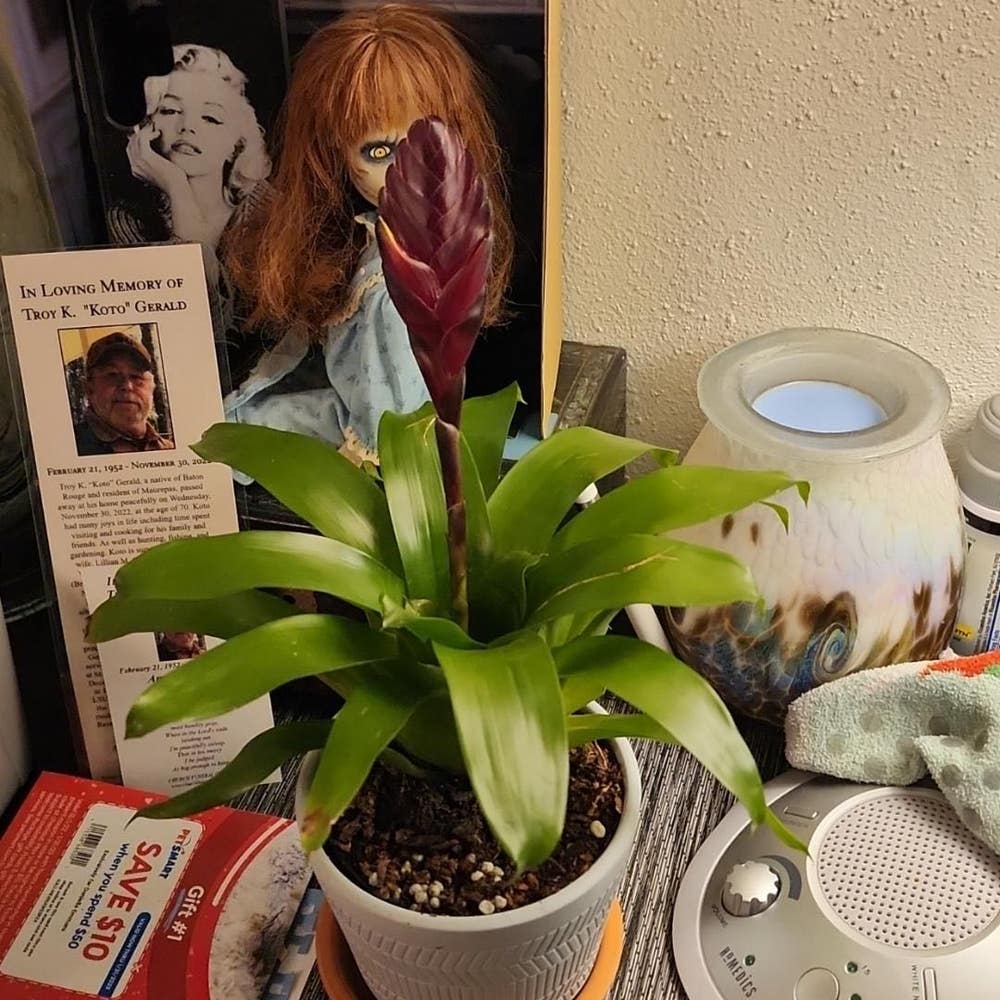
Step-by-Step Guide to Growing Lobster Claw Outdoors 🦞
Vriesea carinata
By the Greg Editorial Team
Nov 23, 2024•6 min read
This article was created with the help of AI so we can cover more plants for you. May contain errors. See one? Report it here.
- 🌞 Lobster Claw needs 6-8 hours of sunlight daily for optimal growth.
- 💧 Water deeply once a week, more often in hot weather to prevent stress.
- 🌱 Use well-draining, organic-rich soil with a pH of 6.0 to 7.0 for best results.
Outdoor Care Requirements
🌞 Sunlight Needs
Lobster Claw plants thrive best in full sun, requiring 6-8 hours of direct sunlight daily. Insufficient light can lead to stunted growth and fewer flowers, so positioning your plants wisely is crucial.
💧 Watering Requirements
Water your Lobster Claw deeply once a week, increasing frequency during hot weather. Watch for signs of overwatering, such as yellowing leaves and root rot, which can be detrimental to your plant's health.
🌱 Soil Preferences
For optimal growth, Lobster Claw prefers well-draining soil rich in organic matter. Aim for a pH range of 6.0 to 7.0, as good soil quality is essential for supporting healthy growth and vibrant flowering.
With these outdoor care requirements in mind, you can ensure your Lobster Claw plants flourish beautifully. Next, let’s explore the various planting options available to you.
Planting Options
Container Planting 🌱
Container planting offers several advantages for growing lobster claw. One of the biggest perks is mobility; you can easily relocate your plants to ensure they receive optimal sunlight or protection from harsh weather.
Additionally, containers allow for better control over soil quality and drainage. This means you can create the perfect environment for your lobster claw to thrive, ensuring it has the nutrients it needs.
However, there are some drawbacks to consider. Limited root space can restrict growth, making it challenging for your plants to reach their full potential.
Moreover, containers tend to dry out faster, which means you'll need to water more frequently. This can be a bit of a hassle, especially during hot summer months.
Ground Planting 🌍
Planting lobster claw directly in the ground has its own set of benefits. One major advantage is the increased space for root expansion, which supports larger, healthier plants.
Ground planting also offers natural moisture retention, reducing the frequency of watering. This can be a significant time-saver, allowing you to focus on other gardening tasks.
On the flip side, planting in the ground comes with some challenges. You may have less control over soil conditions, which could require amendments to ensure optimal growth.
Additionally, plants in the ground are more vulnerable to pests and diseases. This means you'll need to stay vigilant and monitor your garden regularly to keep your lobster claw healthy.
In summary, both container and ground planting have their pros and cons. Your choice will depend on your gardening style, available space, and the specific needs of your lobster claw plants.
As you consider your planting options, think about how each method aligns with your gardening goals and the care you’re willing to provide. Next, let's explore how to protect your lobster claw from environmental factors.
Protection from Environmental Factors
🌦️ Weather Protection Strategies
Weather can be unpredictable, but protecting your lobster claw plants is essential for their health.
Frost Protection
Frost can be detrimental, especially in cooler months. Cover your plants with frost cloth or bring container plants indoors to shield them from freezing temperatures.
Wind Protection
Strong winds can damage delicate foliage. Plant your lobster claws in sheltered areas or use windbreaks to minimize exposure to harsh gusts.
Heavy Rain Protection
Heavy rain can lead to waterlogged soil, which is harmful to your plants. Ensure proper drainage and avoid areas where water tends to pool.
🐛 Common Outdoor Pests
Outdoor pests can wreak havoc on your lobster claw plants if not managed properly.
Identification and Control
Keep an eye out for common pests like aphids, spider mites, and thrips. Control methods include using neem oil, insecticidal soap, and introducing beneficial insects to your garden.
🦠 Diseases Affecting Lobster Claw
Diseases can compromise the health of your plants, but with the right strategies, you can prevent them.
Prevention and Treatment
Root rot and leaf spot are common issues for lobster claws. To prevent these diseases, practice proper watering techniques and ensure good air circulation around your plants.
By implementing these protective measures, you can create a thriving environment for your lobster claw plants. Next, let’s explore how to care for them throughout the seasons.
Seasonal Care
Seasonal Changes and Their Impact on Care 🌦️
Adjusting your care routine with the changing seasons is crucial for the health of your lobster claw plants.
Spring: This is the time to ramp up your watering and fertilization efforts. As temperatures rise, your plants will benefit from the extra nutrients and moisture.
Summer: Keep a close eye on pests and ensure your plants have adequate moisture. The heat can be intense, so regular checks are essential to maintain their health.
Fall: Prepare your plants for cooler temperatures and the potential for frost. This might involve reducing watering and starting to think about protective measures.
Winter: During the colder months, cut back on watering and focus on protecting your plants from harsh conditions. They need less attention but still require care.
Fertilization Schedule Throughout the Year 🌱
Fertilization is key to vibrant growth and flowering.
Spring and Summer: Feed your lobster claw plants monthly with a balanced fertilizer. This will support their active growth phase.
Fall: As growth slows, reduce your feeding frequency. This helps the plants prepare for dormancy without overloading them with nutrients.
Pruning and Maintenance Tasks by Season ✂️
Regular maintenance keeps your plants thriving throughout the year.
Spring: Prune away any dead or damaged leaves to encourage new growth. This is a fresh start for your plants.
Summer: Conduct regular inspections for pests and diseases. Staying proactive can prevent larger issues down the line.
Fall: Get your plants ready for winter conditions. This might involve additional pruning and protective measures.
Winter: Focus on minimal maintenance, primarily ensuring your plants are protected from the cold. They’ll appreciate the care as they rest.
Transitioning through the seasons with these care strategies will help your lobster claw plants flourish. Next, we’ll explore climate zone considerations to ensure your plants thrive in their specific environments.
Climate Zone Considerations
🌍 Best Climate Zones for Growing
Lobster Claw thrives best in USDA zones 9-11. These zones provide the warm temperatures and humidity levels that this tropical plant craves.
Certain varieties can tolerate cooler temperatures, making them suitable for slightly lower zones. However, it's essential to choose the right type to ensure healthy growth.
🌦️ Special Considerations for Different Climates
When growing Lobster Claw in tropical climates, the key is to maintain consistent warmth and humidity. These conditions promote vibrant growth and abundant flowering.
In temperate climates, adaptation strategies become crucial. Consider using greenhouses or cloches to create a warmer microenvironment for your plants.
❄️ Tips for Overwintering in Cooler Climates
To protect your Lobster Claw during winter, mulching is a fantastic strategy. It insulates the roots and helps retain soil moisture.
Covering plants with frost cloth can also shield them from harsh conditions. For container plants, bringing them indoors or into a greenhouse ensures they stay warm and healthy throughout the colder months.
With these climate considerations in mind, you can successfully grow Lobster Claw in various environments. Next, let’s explore seasonal care to keep your plants thriving year-round.
⚠️ Safety First
This content is for general information and may contain errors, omissions, or outdated details. It is not medical, veterinary advice, or an endorsement of therapeutic claims.
Always consult a qualified healthcare professional before using any plant as food, medicine, or supplement.
Never eat any plant (or feed one to pets) without confirming its identity with at least two trusted sources.
If you suspect poisoning, call Poison Control (800) 222-1222, the Pet Poison Helpline (800) 213-6680, or your local emergency service immediately.
Spotted an error? Please report it here.
Transform your Lobster Claw into a vibrant showstopper 🌺 with Greg's personalized care tips and watering reminders that keep your plants thriving outdoors!