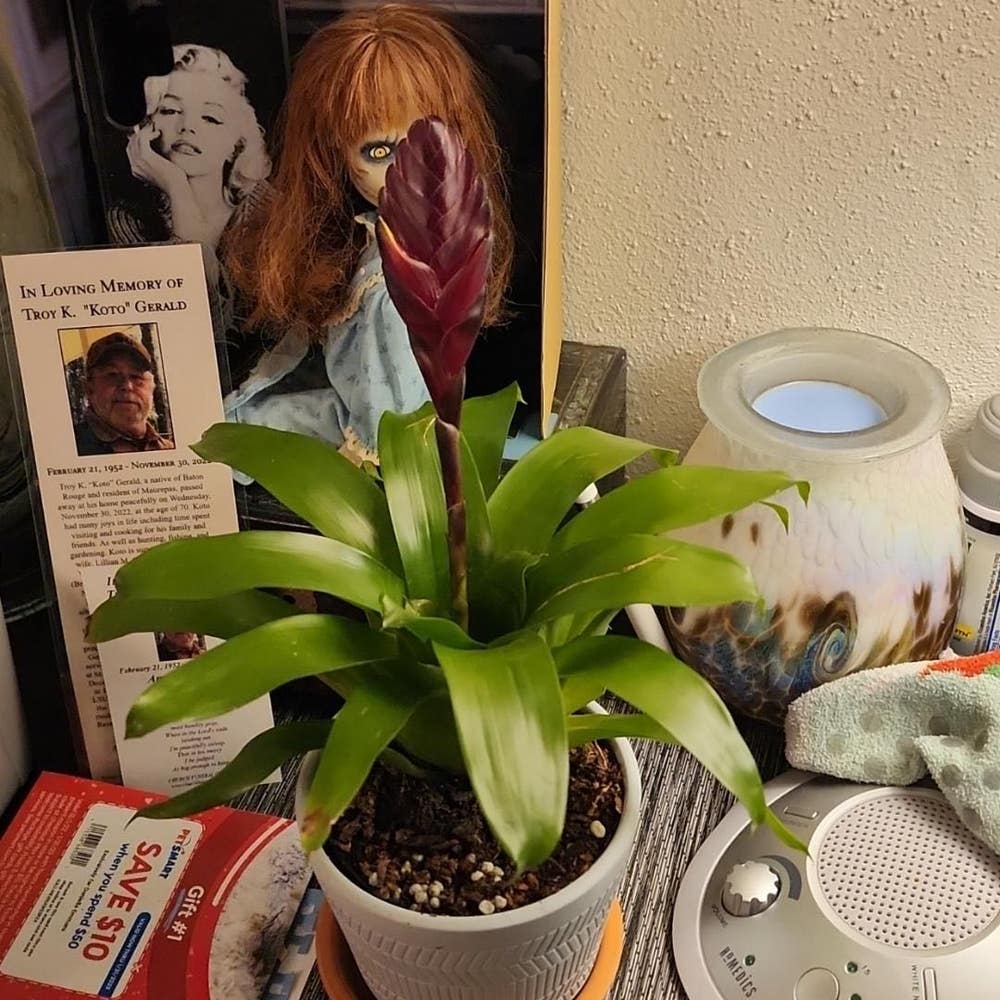
Flaming Sword - Ultimate Guide to Fertilizing
Vriesea carinata
By the Greg Editorial Team
Jun 18, 2024•4 min read
This article was created with the help of AI so we can cover more plants for you. May contain errors. See one? Report it here.
- N-P-K and micronutrients are key for Flaming Sword health and blooms.
- Seasonal fertilizing enhances blooming; spring/summer growth, fall/winter rest.
- Recognize over-fertilization by yellow/brown leaves and dark roots; fix with flushing, trimming.
Picking the Perfect Fertilizer for Your Flaming Sword
💡 Understanding N-P-K Ratios
In the quest for Flaming Sword excellence, the N-P-K ratio is your guiding star. Nitrogen fuels lush leaves, phosphorus is the bloom booster, and potassium keeps the plant's functions in check. A 10-10-10 blend is a safe bet for balanced growth, but don't just slap on any mix and call it a day.
🍽️ Micronutrients Matter Too
Beyond the big three, your Flaming Sword craves a cocktail of micronutrients. These are the secret sauce for vibrant health and blooms. Look for fertilizers that don't skimp on these vital extras, because they're the unsung heroes in your plant's life story.
🚰 Liquid vs. Granular: Pros and Cons
Now, let's talk delivery. Liquid fertilizers are the quick fix, a rapid-fire nutrient hit. Granular types, on the other hand, are the slow-release marathon runners. Both have their place in the Flaming Sword saga, but it's about matching the right type with your plant's performance needs. Choose wisely, or you'll be watching those blooms from the sidelines.

Timing is Everything: When to Fertilize for Optimal Blooms
⏰ Growth and Dormancy Cycles
In the life cycle of a Flaming Sword, timing your fertilization is like syncing your watch to nature's clock. Spring and summer are your go signals, as the plant enters its growth phase and is hungry for nutrients. Come fall and winter, it's time to ease off; your plant is hitting the snooze button for its rest phase.
🌱 Seasonal Fertilization Strategies
Adjusting your fertilization schedule with the seasons isn't just smart—it's critical for those show-stopping blooms. During the growing season, a monthly dose of fertilizer keeps your Flaming Sword in top form. As the days shorten and the temperature drops, it's time to roll back. Think of it as preparing your plant for a cozy winter nap, so it can wake up refreshed and ready to bloom when spring arrives.

Fertilizing Like a Pro: Techniques and Tips
💧 Dosage and Frequency
Less is more when it comes to fertilizing your Flaming Sword. Start with a reduced dosage of the recommended amount on the fertilizer label. Over-enthusiasm with nutrients can harm more than help. Aim to fertilize every two weeks during the growing season, but watch for signs of distress. Your plant's feedback is more reliable than any calendar.
🌱 Application Methods
Soil feeding is the go-to method for most. Pour your diluted fertilizer onto the soil, avoiding a splashy mess on the leaves. Think of it as a nutrient-rich soup that needs to reach the roots without drenching the foliage. Alternatively, consider foliar feeding as a ninja move. A light mist on the leaves can give your Flaming Sword a quick nutrient boost. Just remember to do this during cooler hours to prevent leaf burn.

Recognizing and Resolving Over-Fertilization
🚨 Spotting the Telltale Signs
Yellow or brown leaves may signal your Flaming Sword has had too much of a good thing. If the foliage looks like it's been sunburned, despite living a sheltered life indoors, over-fertilization could be the culprit. Roots turning to a darker side—from healthy white to brown or black—also hint at nutrient overload. And if the soil feels more like a salt flat than a bed of peat, it's time to take action.
🛠 Quick Fixes for Fertilizer Fiascos
When you've overdone it with the nutrients, flushing is your first aid. Drench the soil with water to help dissolve and wash away excess fertilizer. This isn't a one-time fix; you may need to repeat the process every few days. If the soil surface looks like a frosted cake with a white, crusty layer, gently remove it without disturbing the roots too much. Trimming damaged leaves can help the plant focus its energy on recovery. And remember, patience is key—hold off on the next fertilizer application until your Flaming Sword has fully bounced back.
⚠️ Safety First
This content is for general information and may contain errors, omissions, or outdated details. It is not medical, veterinary advice, or an endorsement of therapeutic claims.
Always consult a qualified healthcare professional before using any plant as food, medicine, or supplement.
Never eat any plant (or feed one to pets) without confirming its identity with at least two trusted sources.
If you suspect poisoning, call Poison Control (800) 222-1222, the Pet Poison Helpline (800) 213-6680, or your local emergency service immediately.
Spotted an error? Please report it here.
Ensure your Flaming Sword thrives with optimal fertilization by using Greg's 🗡 tailored timing reminders for each growth phase.