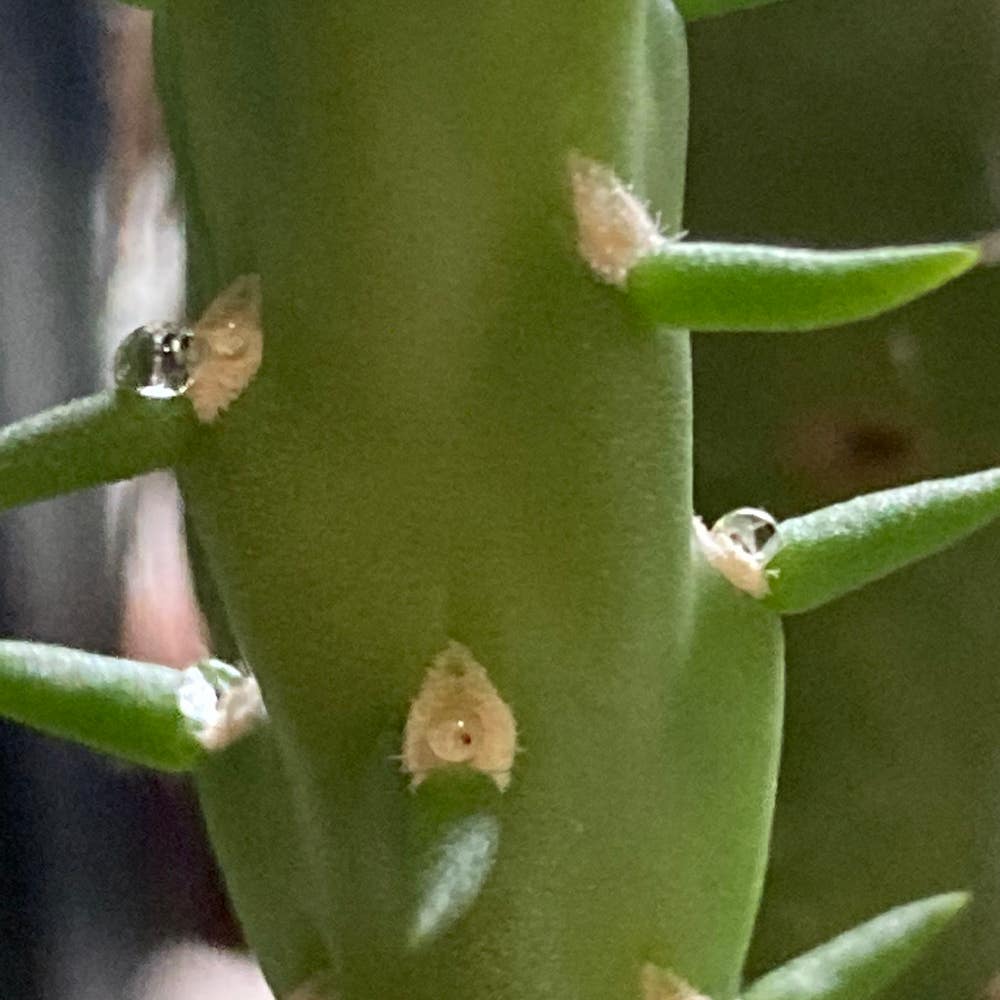
9 Perfect Spots to Grow Jumping Cholla 🌵
Cylindropuntia prolifera
By the Greg Editorial Team
Nov 23, 2024•2 min read
This article was created with the help of AI so we can cover more plants for you. May contain errors. See one? Report it here.
Cultivate a stunning desert oasis 🌵 by learning how to create the perfect home for your Jumping Cholla cacti!
- ☀️ Jumping Cholla needs 6-8 hours of sunlight daily for optimal growth.
- 🌵 Ideal locations include south-facing slopes and well-draining sandy or rocky soils.
- 🌬️ Wind protection and proper drainage are crucial for healthy Jumping Cholla plants.
Ideal Locations
🌞 Sunlight Exposure Requirements
Jumping Cholla thrives in full sun, requiring 6-8 hours of direct sunlight each day. This exposure is crucial for robust growth and vibrant flowering, while insufficient sunlight can lead to stunted growth and diminished vigor.
For optimal results, plant your Jumping Cholla on south-facing slopes or in open areas of your garden. These locations maximize sun exposure, ensuring your cacti flourish.
🌱 Soil Type Preferences
Well-draining soil is essential for Jumping Cholla to prevent root rot. The ideal soil types are sandy or rocky, with low organic matter, allowing excess moisture to escape.
Aim for a soil pH range of slightly acidic to neutral (6.0 to 7.0). If your soil lacks drainage, consider amendments like perlite or gravel to enhance its structure.
🌿 Proximity to Other Plants and Structures
To prevent competition for resources, space your Jumping Cholla 3-5 feet away from other plants. When planting near structures, avoid shaded areas to ensure your cacti receive adequate sunlight.
Planting in clusters can enhance the aesthetic appeal of your desert landscape. However, be cautious of overcrowding, as it can increase humidity and the risk of disease.
🌤️ Assessing Microclimates
Microclimates are localized variations in climate that can significantly impact plant health. Identifying these areas in your garden involves observing sun exposure, wind patterns, and moisture levels.
The best microclimates for Jumping Cholla are those with consistent sunlight and protection from frost. Utilize walls or fences to create warmer microclimates, providing winter protection for your cacti.
🌬️ Wind Protection Needs
Wind protection is vital for Jumping Cholla, as strong winds can cause physical damage and moisture loss. Consider using low fences, shrubs, or other cacti as windbreaks to shield your plants.
Assess the wind patterns in your garden to identify vulnerable areas. Positioning Jumping Cholla in sheltered spots can help mitigate wind-related stress.
🚰 Drainage Considerations
Proper drainage is crucial for the health of Jumping Cholla, preventing root rot and fungal diseases. Raised beds or mounds are effective solutions for ensuring adequate drainage.
To assess existing drainage, test soil moisture levels after rainfall. If necessary, modify your soil composition by adding perlite or gravel to improve drainage.
With these ideal locations and considerations in mind, you’re well on your way to cultivating thriving Jumping Cholla in your garden. Next, let’s explore the best practices for caring for these resilient cacti.
⚠️ Safety First
This content is for general information and may contain errors, omissions, or outdated details. It is not medical, veterinary advice, or an endorsement of therapeutic claims.
Always consult a qualified healthcare professional before using any plant as food, medicine, or supplement.
Never eat any plant (or feed one to pets) without confirming its identity with at least two trusted sources.
If you suspect poisoning, call Poison Control (800) 222-1222, the Pet Poison Helpline (800) 213-6680, or your local emergency service immediately.
Spotted an error? Please report it here.
Create a thriving desert landscape 🌵 by using Greg's personalized care tips to ensure your Jumping Cholla gets the perfect sunlight, soil, and spacing it needs to flourish!