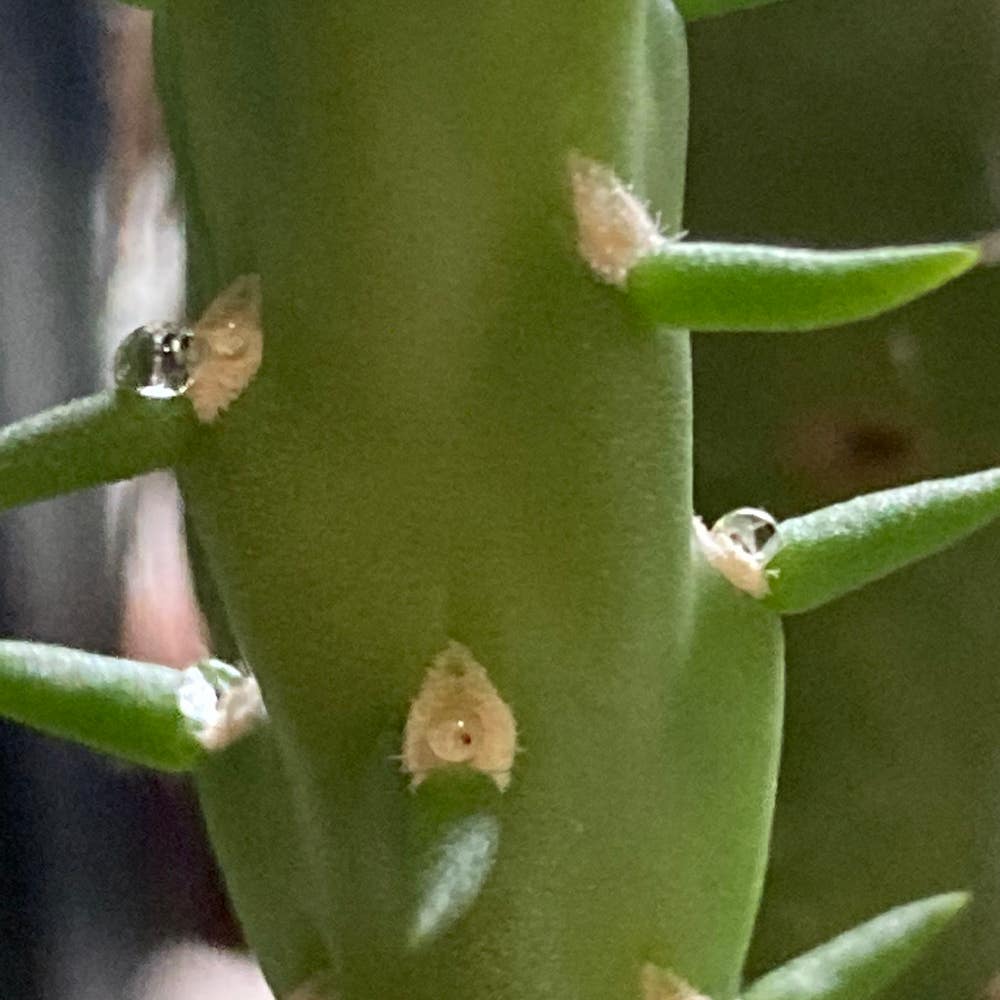
🌵 Direct Sunlight and Your Jumping Cholla
Cylindropuntia prolifera
By the Greg Editorial Team
Nov 23, 2024•5 min read
This article was created with the help of AI so we can cover more plants for you. May contain errors. See one? Report it here.
Ensure your Jumping Cholla thrives 🌵 by mastering its sunlight needs for vibrant growth and health!
- ☀️ Jumping Cholla needs 6-8 hours of direct sunlight daily for optimal growth.
- 🌵 Excessive sunlight can cause sunburn, indicated by yellowing or browning pads.
- 🪟 South-facing windows are ideal for maximizing sunlight exposure in the Northern Hemisphere.
Definition of Direct Sunlight
🌞 Explanation Suitable for Children
Direct sunlight is when the sun's rays shine straight onto a plant without anything blocking them, like clouds or trees. Imagine standing outside on a sunny day; that bright light is direct sunlight!
🌤️ Contrast with Indirect Sunlight
Indirect sunlight is when the sun's rays are softened or scattered, often because they pass through a window or are blocked by something. For example, if you sit in the shade of a tree, you are in indirect sunlight.
Understanding the difference between direct and indirect sunlight is essential for caring for plants like the Jumping Cholla. This knowledge helps ensure they receive the right amount of light for healthy growth.
Sunlight Needs of Jumping Cholla
🌞 Does it Need Direct Sunlight?
Jumping Cholla thrives in direct sunlight, requiring at least 6-8 hours of full sun exposure daily. This cactus is perfectly suited to bask in the sun, soaking up the rays to fuel its growth.
☀️ Can it Tolerate Direct Sunlight?
Yes, Jumping Cholla can tolerate intense direct sunlight thanks to its unique adaptations for high temperatures and drought conditions. Its resilience makes it an excellent choice for sunny spots in your garden or home.
🔥 Effects of Too Much Direct Sunlight
While Jumping Cholla loves sunlight, excessive exposure can lead to sunburn. Signs of sunburn include yellowing or browning of the cactus pads, particularly on the side facing the sun, which can be concerning for plant parents.
Understanding the sunlight needs of your Jumping Cholla is crucial for its health. Next, we'll explore how the direction of your windows can impact the sunlight exposure for this resilient cactus.
Role of Window Direction
🌞 Best Window Directions for Sunlight Exposure
When it comes to providing the best sunlight for your Jumping Cholla, south-facing windows are the champions. They deliver the most direct sunlight, making them ideal for this sun-loving cactus.
East-facing windows are also a great option, as they offer gentle morning sun. This softer light can help your Jumping Cholla acclimatize gradually, ensuring it thrives without the shock of intense rays.
🌅 How Window Direction Affects Light Intensity
On the flip side, north-facing windows are not ideal for Jumping Cholla. They receive the least sunlight, often leading to insufficient light for healthy growth.
West-facing windows can be a double-edged sword. While they provide intense afternoon sun, this can be too much at times, so keep an eye on your cactus to prevent sunburn.
With the right window direction, you can create the perfect environment for your Jumping Cholla to flourish. Next, let’s explore how the hemisphere you live in influences sunlight exposure.
Influence of Hemisphere on Sunlight
🌍 Differences in Sunlight Exposure in Northern vs. Southern Hemisphere
The hemisphere you live in significantly impacts how sunlight reaches your plants. In the Northern Hemisphere, south-facing windows capture the sun's intensity, making them the best choice for your Jumping Cholla.
Conversely, if you're in the Southern Hemisphere, north-facing windows are your go-to for maximizing direct sunlight. This difference is crucial for ensuring your cactus gets the light it needs to thrive.
☀️ Seasonal Variations in Sunlight Intensity
Sunlight intensity isn't static; it changes with the seasons. During summer, the sun's rays are stronger, providing more energy for your Jumping Cholla.
As winter approaches, the sunlight weakens, and plant parents should consider adjusting their cactus's placement. Keeping an eye on seasonal changes will help you maintain optimal conditions for your plant's growth.
Understanding these factors will empower you to create the best environment for your Jumping Cholla, ensuring it flourishes year-round.
Additional Considerations for Plant Parents
Signs of Too Much or Too Little Sunlight 🌞
Recognizing the signs of improper sunlight exposure is crucial for your Jumping Cholla's health.
- Too much sunlight can lead to yellowing or browning pads, and you might notice wilting even if you’re watering adequately.
- Too little sunlight results in elongated growth, known as etiolation, along with a pale color and slow growth.
Adjusting Light Exposure for Optimal Growth 🌅
To ensure your Jumping Cholla thrives, it's essential to adjust its light exposure gradually.
- Start by placing it in a shaded area and slowly increase its exposure to direct sunlight over time.
- If the sunlight is too intense, consider using sheer curtains to diffuse the light and protect your plant.
Common Misconceptions About Sunlight and Cacti 🤔
Many people believe that all cacti can thrive in any light condition, but this isn't true.
- The reality is that different cacti have varying sunlight needs. Jumping Cholla, in particular, requires ample direct sunlight for optimal health and growth.
Understanding these aspects will help you create the perfect environment for your Jumping Cholla. With the right care, your cactus can flourish and bring a touch of the desert into your home.
Next, let’s explore how the direction of your windows can impact your plant's sunlight exposure.
⚠️ Safety First
This content is for general information and may contain errors, omissions, or outdated details. It is not medical, veterinary advice, or an endorsement of therapeutic claims.
Always consult a qualified healthcare professional before using any plant as food, medicine, or supplement.
Never eat any plant (or feed one to pets) without confirming its identity with at least two trusted sources.
If you suspect poisoning, call Poison Control (800) 222-1222, the Pet Poison Helpline (800) 213-6680, or your local emergency service immediately.
Spotted an error? Please report it here.
Help your Jumping Cholla thrive by ensuring it gets 6-8 hours of direct sunlight daily ☀️, and let Greg guide you with tailored tips for perfect placement and care!