🌵 Why Your Jumping Cholla Leaves Are Falling Over
Cylindropuntia prolifera
By the Greg Editorial Team
Oct 20, 2024•5 min read
This article was created with the help of AI so we can cover more plants for you. May contain errors. See one? Report it here.
Master leaf care and pest prevention 🌱 to keep your Jumping Cholla thriving and vibrant all year round!
- 🌵 Leaf drop signals stress from overwatering, underwatering, or pests—check conditions!
- 🌞 Jumping Cholla needs 6-8 hours of sunlight daily for optimal health and growth.
- 🐛 Inspect for pests like scale insects and mealybugs to prevent leaf drop.
Causes of Leaf Drop
Identifying Symptoms of Stress 🌱
Jumping Cholla leaves can drop for several reasons, often signaling stress.
Yellowing leaves typically indicate overwatering or nutrient deficiencies. If you notice your pads turning yellow, it’s time to reassess your watering schedule and consider fertilization.
Wilting pads suggest underwatering or exposure to extreme temperatures. If your Cholla looks droopy, check the soil moisture and the surrounding climate.
Detached pads can be a natural occurrence but excessive detachment may indicate stress. Keep an eye on how many pads are falling off; if it seems unusual, investigate further.
Common Pests Affecting Leaves 🐛
Types of Pests
Your Cholla may also be suffering from pest infestations.
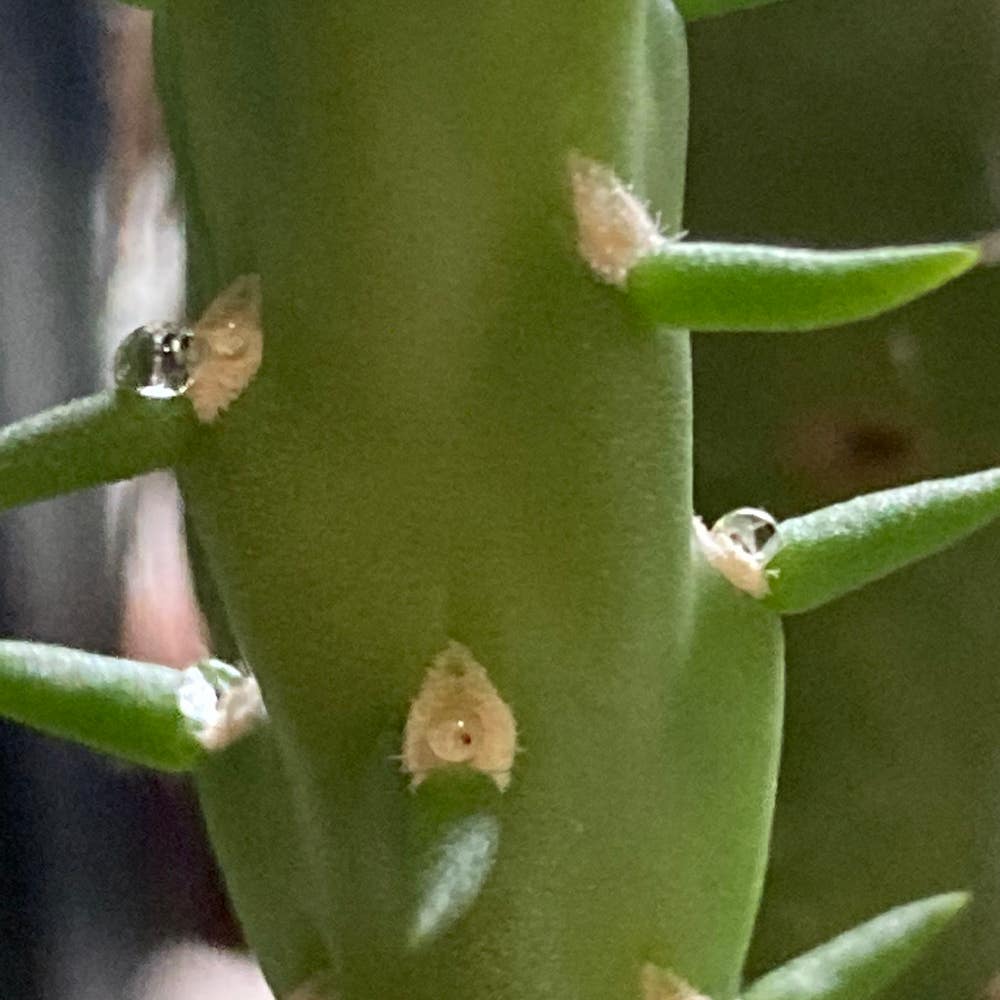
Scale insects appear as small, hard shells on the pads and can lead to leaf drop if left unchecked.
Mealybugs look like white, cotton-like masses and can weaken the plant significantly. If you spot these pests, it’s crucial to act quickly.
Signs of Infestation 🔍
Look for sticky residue on the pads, which is honeydew produced by pests. This can attract other issues, so don’t ignore it.
Also, check for visible insects on the pads, especially on the undersides and joints. Regular inspections can help catch infestations early, preventing further damage.
Understanding these symptoms and pest types is essential for keeping your Jumping Cholla healthy. Next, let’s explore how proper watering and soil care can further support your plant's well-being.
Watering and Soil Care
Proper Watering Techniques 🌊
Watering your Jumping Cholla correctly is crucial for its health. Allow the soil to dry completely between waterings to prevent root rot.
The best time to water is early morning. This timing reduces evaporation and ensures your plant gets the moisture it needs.
Soil Composition and Drainage Needs 🪴
An ideal soil mix for your cactus should consist of 50% cactus mix and 50% perlite. This combination promotes excellent drainage, which is vital for healthy growth.
Good drainage prevents root rot. Without it, your plant can suffer significantly, leading to leaf drop and other issues.
Signs of Overwatering and Underwatering 🚰
Overwatering Symptoms
Overwatering can manifest in several ways. Look for mushy pads, which indicate root rot, and a foul smell that suggests decaying roots.
These signs are serious and require immediate attention to save your plant.
Underwatering Symptoms
On the flip side, underwatering can also cause problems. Wrinkled pads indicate a lack of moisture, leading to dehydration.
Prolonged drought conditions can result in leaf drop. Keep an eye on your plant to ensure it stays hydrated.
Understanding these watering and soil care basics will help you maintain a healthy Jumping Cholla. Next, we’ll explore the light and temperature requirements essential for optimal growth.
Light and Temperature Requirements
Ideal Sunlight Conditions 🌞
Jumping Cholla thrives in full sun, needing 6-8 hours of direct sunlight daily. Without this, you might notice stunted growth and an increased risk of pest infestations.
Temperature Ranges for Optimal Growth 🌡️
For optimal growth, keep your Jumping Cholla in temperatures between 70°F to 100°F (21°C to 38°C). While it can tolerate brief drops to 30°F (-1°C), it's crucial to protect it from frost.
Effects of Inadequate Light on Leaf Health 🌱
Insufficient light can lead to etiolation, where pads stretch towards the light, resulting in weak growth. This stress can also cause increased leaf drop, signaling that your plant needs more sunlight.
Ensuring your Jumping Cholla receives the right light and temperature is essential for its health. Next, let’s explore preventive measures to keep your plant thriving.
Preventive Measures
Best Practices for Maintaining Healthy Leaves 🌿
Regular inspections are crucial for your Jumping Cholla. Check for pests and signs of stress, as early detection can save your plant.
Proper watering and drainage are key to preventing leaf drop. Ensure your soil dries out completely between waterings to keep your cactus thriving.
Seasonal Care Tips to Prevent Leaf Drop 🌦️
In winter, adjust your watering frequency. Reducing water helps avoid overwatering during the plant's dormant phase.
During extreme heat, provide shade to protect your cactus from scorching sun. This simple step can make a significant difference in leaf health.
How to Create a Stress-Free Environment 🧘♀️
Maintaining stable temperatures is essential. Avoid drastic fluctuations that can stress your plant.
Ensure proper airflow around your cactus. Good ventilation helps prevent fungal issues and pest infestations, keeping your Jumping Cholla healthy and vibrant.
By following these preventive measures, you can create an ideal environment for your cactus. This proactive approach will help you enjoy a flourishing plant for years to come.
Troubleshooting and Solutions
Step-by-Step Guide to Diagnosing Leaf Drop 🌿
Diagnosing leaf drop in your jumping cholla starts with a thorough inspection. Check both the pads and the soil for any signs of pests.
Next, assess your watering habits. Review how often you water and the method you use to ensure your plant is getting the right amount of moisture.
Finally, evaluate the light conditions. Make sure your cactus is receiving adequate sunlight exposure for healthy growth.
Treatment Options for Common Issues 🧴
If you discover pests, pest control for cacti is essential. Use insecticidal soap or neem oil to tackle infestations effectively.
Adjusting your watering practices can also make a significant difference. Modify the frequency based on the symptoms you observe to help your plant recover.
When to Seek Professional Help 🆘
If leaf drop persists despite your best care efforts, it may be time to seek professional help. This is especially true for severe pest infestations or signs of disease that are challenging to manage on your own.
By following these troubleshooting steps and treatment options, you can help your jumping cholla thrive. Next, let’s explore preventive measures to keep your cactus healthy and vibrant.
⚠️ Safety First
This content is for general information and may contain errors, omissions, or outdated details. It is not medical, veterinary advice, or an endorsement of therapeutic claims.
Always consult a qualified healthcare professional before using any plant as food, medicine, or supplement.
Never eat any plant (or feed one to pets) without confirming its identity with at least two trusted sources.
If you suspect poisoning, call Poison Control (800) 222-1222, the Pet Poison Helpline (800) 213-6680, or your local emergency service immediately.
Spotted an error? Please report it here.
Revive your Jumping Cholla and stop the leaf drop 🌱 with Greg's tailored watering reminders and pest management tips to keep your cactus thriving!